

 E-Paper


Photos: Fish stocks dive as Ghana grapples with illegal practices
The fishing sector is crucially important to the West African nation of Ghana. It provides support for more than two million people, and generates about 60% of the protein in the diet of Ghanaians. But these figures face an uncertain future as local fishermen are now netting less and less due to a combination of illegal techniques and unscrupulous trawlers that have devastated fish stocks. United Nations data shows that production fell from almost 420,000 tonnes in 1999 to 202,000 tonnes in 2014.
1 / 7
 View Photos in a new improved layout
Updated on Aug 03, 2019 05:16 pm IST
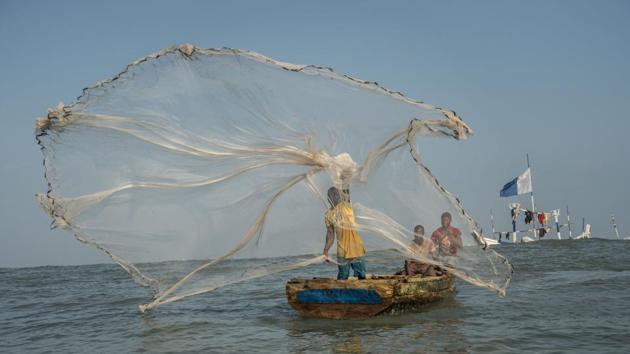
A fisherman casts his net in the waters of the Gulf of Guinea, outside Jamestown, the oldest fishing community in Accra, Ghana. The fishing sector is crucially important to the West African nation. It provides support for more than two million people, up to 10% of the population, and the produce it generates accounts for about 60% of the protein in the diet of Ghanaians. (Natalija Gormalova / AFP)
2 / 7
 View Photos in a new improved layout
Updated on Aug 03, 2019 05:16 pm IST
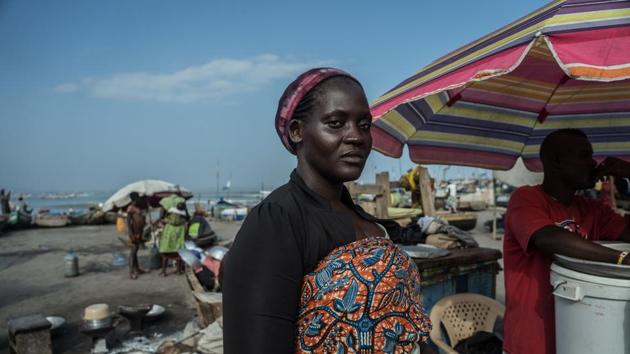
Fish vendor Mercy Allotey waits at the beachfront in Accra for customers to buy the freshest catch brought in by the brightly-coloured dugout canoes plying the coast. But she complains the local fishermen are now netting far less as a combination of illegal techniques and unscrupulous trawlers devastate stocks. “It is spoiling our fishing, Many times when they go they don’t get the fish,” she said. (Natalija Gormalova / AFP)
3 / 7
 View Photos in a new improved layout
Updated on Aug 03, 2019 05:16 pm IST
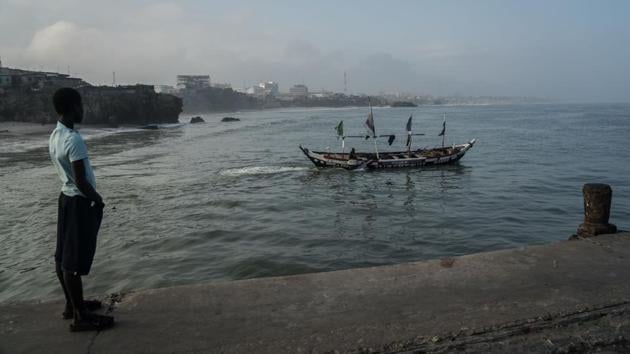
To blame are both the mainly Chinese-operated boats trawling offshore and the damaging practices employed by artisanal fishermen as they scramble to make up for losses. Last month a report from Ghanaian NGO Hen Mpoano and the European Environmental Justice Foundation said the trawlers cost the country’s economy some $50 million a year. (Natalija Gormalova / AFP)
4 / 7
 View Photos in a new improved layout
Updated on Aug 03, 2019 05:16 pm IST
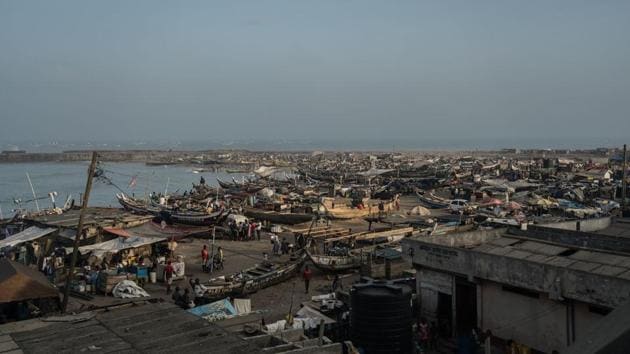
In a practice known locally as “saiko”, they illegally target the staple catch of local fishermen -- including sardinella and mackerel -- and sell it to the communities on shore via middlemen. The report estimated some 100,000 tonnes of fish were scooped out of the water in this way in 2017, drastically reducing employment opportunities for Ghanaians reliant on fishing. (Natalija Gormalova / AFP)
5 / 7
 View Photos in a new improved layout
Updated on Aug 03, 2019 05:16 pm IST
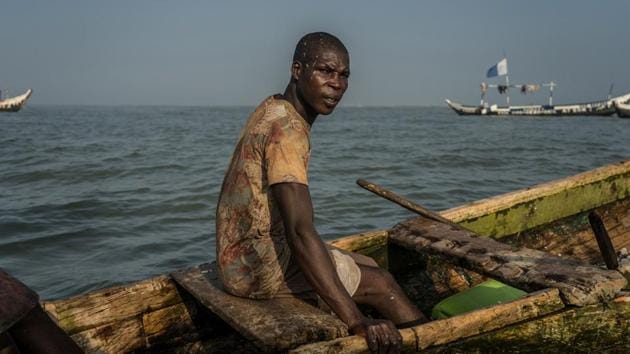
Eric Quaye Ade, a fisherman for almost twenty years, at sea. Ghana is looking to crack down on saiko as well as illegal practices employed by local fishermen including using bright lights to attract fish, chemical poisoning or using dynamite. In a bid to replenish stocks the government banned artisanal fishing this May to June and will forbid trawlers in August and September. (Natalija Gormalova / AFP)
6 / 7
 View Photos in a new improved layout
Updated on Aug 03, 2019 05:16 pm IST
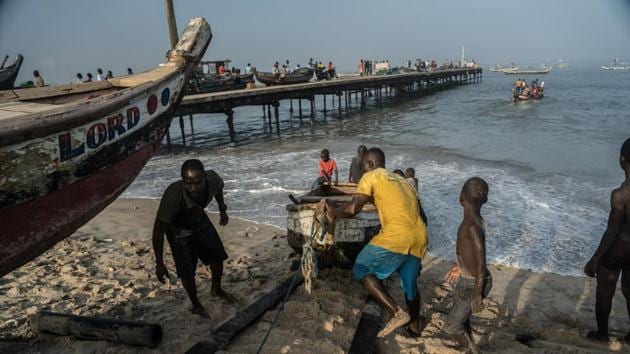
Fishermen come ashore at Jamestown Pier, a landmark for the fishing community. Few know the threats better than Nii Quaye, a former fisherman who now works as a spokesman for the local trade and checks catches coming in to ensure they have not been caught illegally. “When you arrest a person using chemicals or illegal fishing if they go to jail maybe for 3 to 6 months, when they arrest five people I think everything will be stopped,” he said. (Natalija Gormalova / AFP)
7 / 7
 View Photos in a new improved layout
Updated on Aug 03, 2019 05:16 pm IST