
 E-Paper



Photos: Namibia vows to change ‘status-quo’ of white-farm ownership
Namibia adopted a "willing-buyer, willing-seller" approach to land reform after independence from South Africa in 1990. But it has not delivered results. President Hage Geingob demanded constitutional amendments to allow for the forceful expropriation of white-owned commercial farms with "fair compensation". However, his proposal echoed controversial plans in neighbouring South Africa to expropriate land without compensation.
Updated on: Dec 8, 2019 5:17 PM IST


Share via


Copy link

1/7
 View Photos in a new improved layout
Updated on Dec 8, 2019 5:17 PM
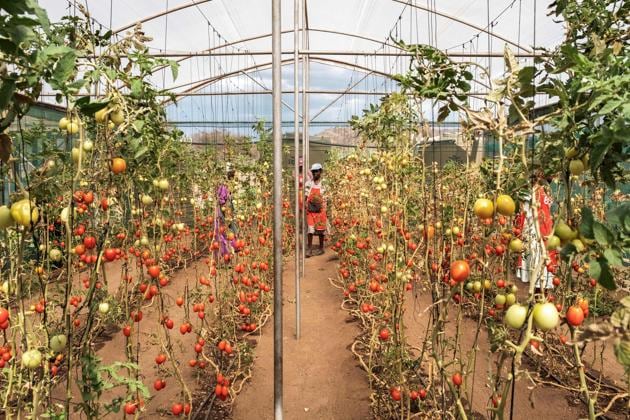
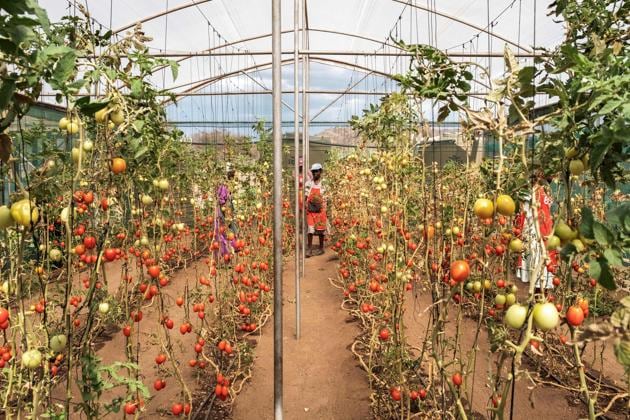
Women work on a vegetable garden on a plot part of reclaimed land on the outskirts of Ovitoto settlement in the Okahandja district area, Namibia. Vibrant rows of neatly lined plants grow on a patch once trampled by the cattle of a large commercial farm run by a family of German descent in Namibia. From that 2,400 square-metre rectangle of sand in the northern Otjozondjupa region, Kornelius Hamasab, 69, now produces spinach, onions and tomatoes. (GIANLUIGI GUERCIA / AFP)
2/7
 View Photos in a new improved layout
Updated on Dec 8, 2019 5:17 PM
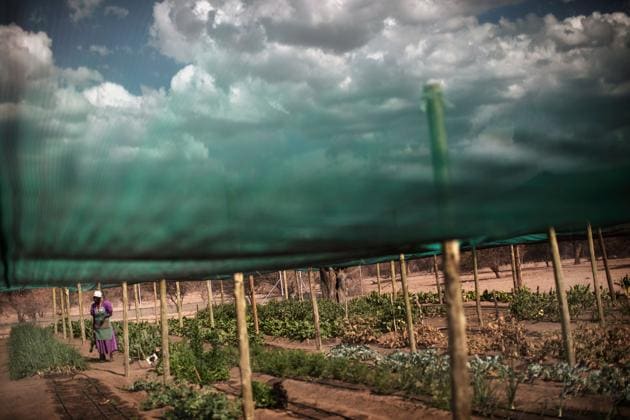
White Namibians, who are descended from former colonisers Germany and South Africa and make up six percent of the population, own 70 percent of the land.”It doesn’t seem right to me,” said Hamasab, who acquired his land as compensation five years after the farm downsized into a guesthouse in 2000 and laid off its staff. “The government should do something about it,” he added, while his family picked and rinsed collared greens to be sold in the capital Windhoek, 150 kilometres (90 miles) away. (GIANLUIGI GUERCIA / AFP)
3/7
 View Photos in a new improved layout
Updated on Dec 8, 2019 5:17 PM
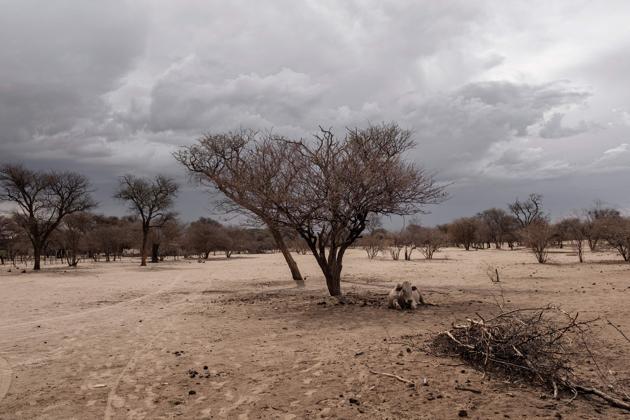
A general view of land reclaimed by a Namibian farm worker. Namibia adopted a “willing-buyer, willing-seller” approach to land reform after independence from South Africa in 1990.Farmers wishing to sell their business must first offer it to the state, which parcels it into smaller plots and redistributes to “previously disadvantaged Namibians”.That strategy has done little to redress the imbalance, however, prompting President Hage Geingob to call for a more muscular approach. (GIANLUIGI GUERCIA / AFP)
4/7
 View Photos in a new improved layout
Updated on Dec 8, 2019 5:17 PM
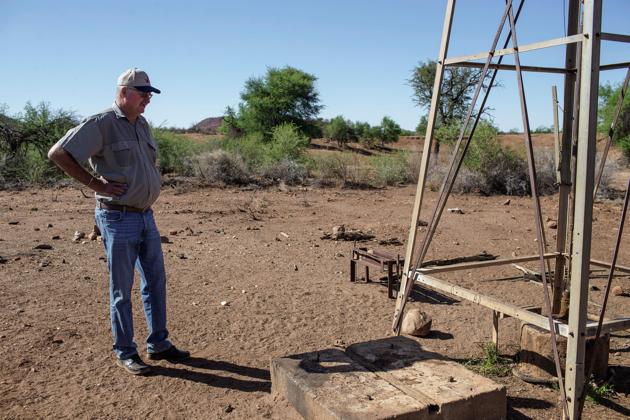
Namibian cattle farmer Helmut Halenke looks at a windmill operated water pump. Helmut Halenke’s grandfather Otto left the German state of Bavaria in 1908 and sailed thousands of miles to Namibia, where he bought farmland. “There are a lot of farms on the market at this stage,” he said. “The problem is the government has no money and they can’t buy these farms.” (GIANLUIGI GUERCIA / AFP)
5/7
 View Photos in a new improved layout
Updated on Dec 8, 2019 5:17 PM
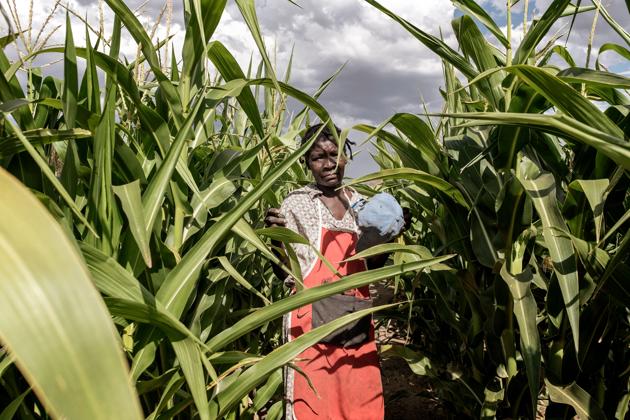
Namibia’s commercial farmers union estimates that about eight million hectares of land have been offered to the government since independence. Only three million were purchased.”The white community is selling their land,” said Bernardus Swartbooi, a former deputy land minister who registered his own party after a spat with government last year.”It’s not as if they are keeping their land as was the case in Zimbabwe.” (GIANLUIGI GUERCIA / AFP)
6/7
 View Photos in a new improved layout
Updated on Dec 8, 2019 5:17 PM
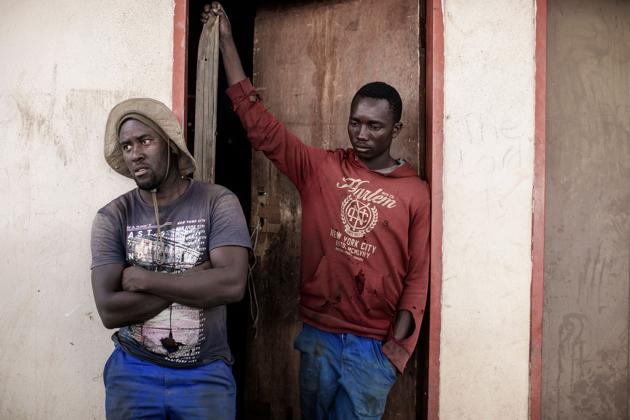
Analysts say land issues resurfaced in the run-up to the election as a way of diverting attention from economic hardship. “It has always been a very emotive topic for Namibians,” said Dietrich Remmert from Namibia’s Institute for Public Policy Research.”With the current economic conditions being very bad, that comes to the fore.” (GIANLUIGI GUERCIA / AFP)
7/7
 View Photos in a new improved layout
Updated on Dec 8, 2019 5:17 PM


