

 E-Paper


Photos: Pop-up shelters in Arizona open doors to migrant caravans
A rising number of migrants from Central America entering the United States to seek asylum are being housed in multiple pop-up shelters that have opened in the last six months in the state of Arizona. These shelters are way stations for migrants released by border agents that need a place to stay while they figure out where they can settle in the United States and pursue claims in immigration court against being deported back to the countries they fled from in the first place.
1 / 10
 View Photos in a new improved layout
Updated on Mar 11, 2019 01:03 pm IST
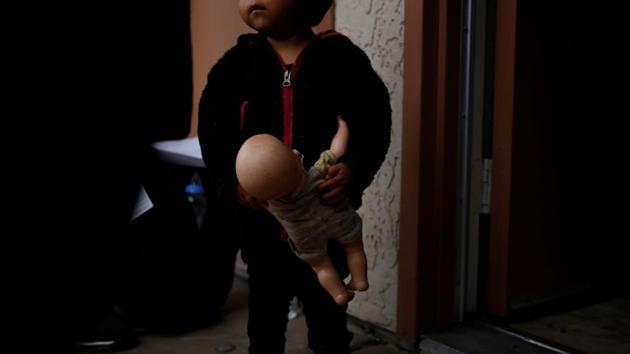
A young migrant holds a doll she arrived with at a motel in Tucson, Arizona, United States. A motel and a monastery are among several pop-up shelters that have opened in the last six months in Arizona to house a rising number of migrants from Central America entering the United States to seek asylum. (Nicole Neri / REUTERS)
2 / 10
 View Photos in a new improved layout
Updated on Mar 11, 2019 01:03 pm IST
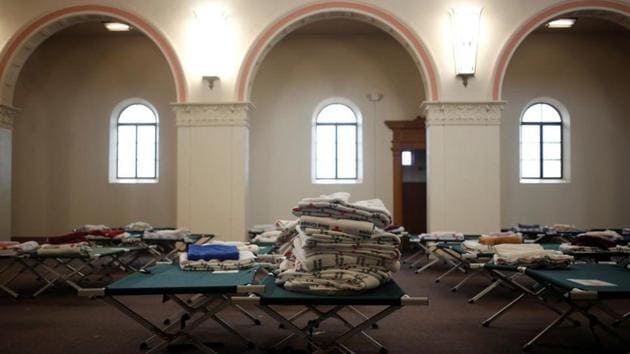
Red Cross blankets and cots fill the chapel of a monastery in preparation for large groups of migrants in Tucson. In January, Catholic Community Services (CCS) turned to the American Red Cross for cots and blankets to equip the former Benedictine monastery in Tucson, Arizona, as a shelter, said CCS Director of Operations Teresa Cavendish. (Nicole Neri / REUTERS)
3 / 10
 View Photos in a new improved layout
Updated on Mar 11, 2019 01:03 pm IST
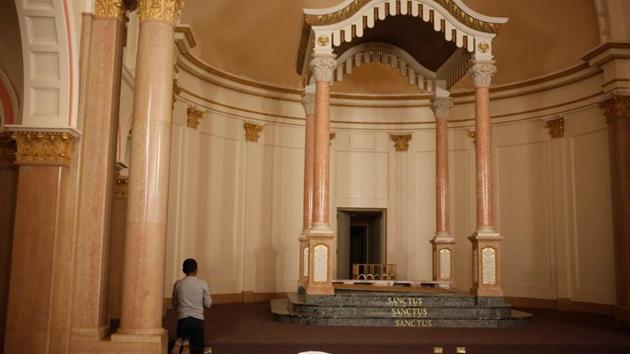
A Guatemalan migrant takes off his hat and prays in the chapel of a monastery. The monastery has housed more than 1,000 people since it was opened and these are unprecedented numbers for this time period and this region. (Nicole Neri / REUTERS)
4 / 10
 View Photos in a new improved layout
Updated on Mar 11, 2019 01:03 pm IST
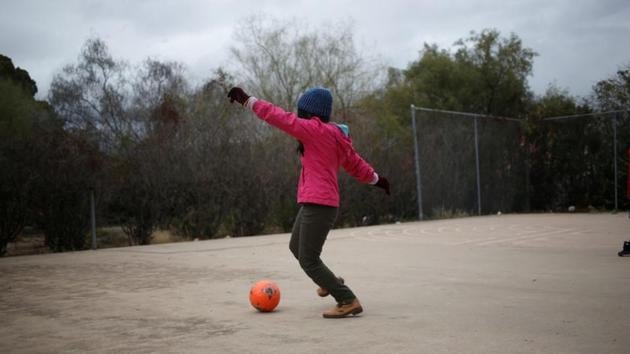
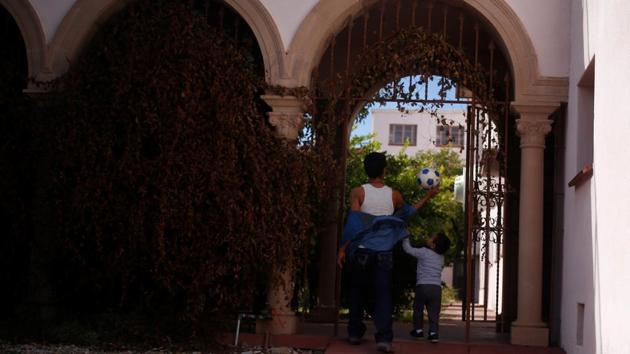
A young migrant plays with a ball at a monastery. US Border Patrol officials told Reuters that there has been a dramatic shift in how migration is happening along the US-Mexico border, with large numbers of families and unaccompanied children from the northern triangle countries of Guatemala, Honduras and El Salvador replacing mostly single adult men from Mexico who typically crossed the border illegally in the past. (Nicole Neri / REUTERS)
5 / 10
 View Photos in a new improved layout
Updated on Mar 11, 2019 01:03 pm IST
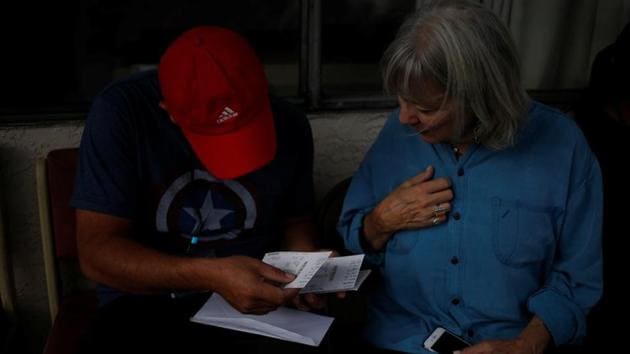
This man from Honduras, migrating with his son, checked his Greyhound ticket several times with volunteers before departing from a motel. The shelters in Arizona are way stations for migrants released by border agents that need a place to stay while they figure out where they can settle in the United States and pursue claims in immigration court. (Nicole Neri / REUTERS)
6 / 10
 View Photos in a new improved layout
Updated on Mar 11, 2019 01:03 pm IST
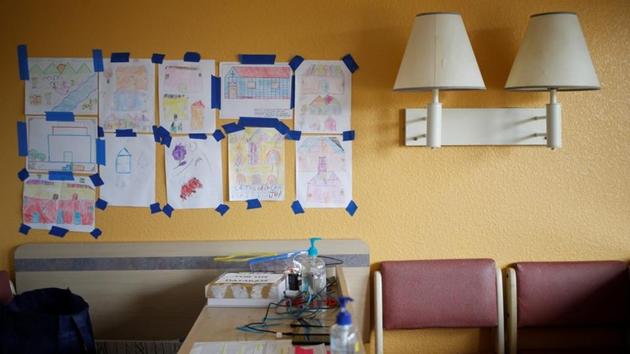
Migrant children’s drawings seen in the motel room. Facing an influx of families and legal limits on the time minors can be held, US Immigration and Customs Enforcement (ICE) has began releasing large groups to Arizona charities and churches in October, ICE spokeswoman Yasmeen O’Keefe said. (Nicole Neri / REUTERS)
7 / 10
 View Photos in a new improved layout
Updated on Mar 11, 2019 01:03 pm IST
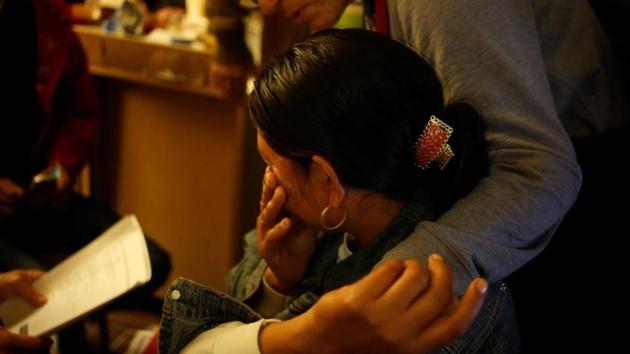
Volunteer Irene Murillo comforts a Guatemalan woman after calls to her brother-in-law back in Central America failed to connect, in a motel room used as an operations office in a motel. Migrants are assigned an immigration court near where they will live. They can wait years for their asylum hearing due to a backlog in cases, according to Reuters data. (Nicole Neri / REUTERS)
8 / 10
 View Photos in a new improved layout
Updated on Mar 11, 2019 01:03 pm IST
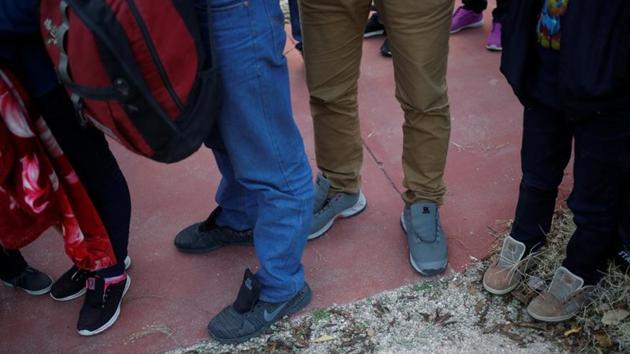
A van load of migrants, the third of the day, arrives at a monastery in Tucson. Customs and Border Protection Commissioner Kevin McAleenan said that while approximately 80% of people asking for asylum pass initial screening at the border, only about 10 to 20% of Central Americans are found to have valid claims at the end of their immigration court process. (Nicole Neri / REUTERS)
9 / 10
 View Photos in a new improved layout
Updated on Mar 11, 2019 01:03 pm IST
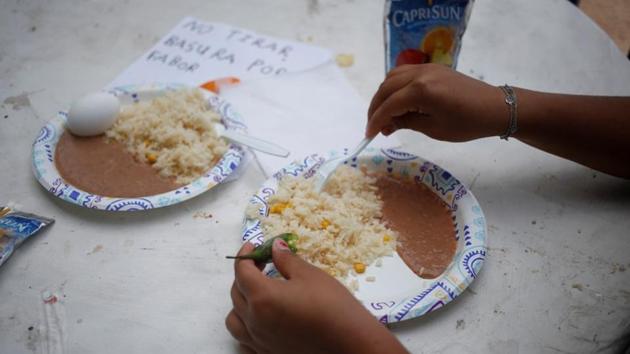
Migrants stay at the shelters for a night or two to get a hot meal, a shower, a medical check up and maybe some legal advice. Volunteers help with travel plans, then drop the migrants off at the bus station or airport. They journey on to stay with friends or family in the United States while awaiting court hearings, according to CCS. But their prospects for getting asylum are dim. (Nicole Neri / REUTERS)
10 / 10
 View Photos in a new improved layout
Updated on Mar 11, 2019 01:03 pm IST