
 E-Paper



Rio 2016 Olympics sites an urban ghost town 1 year on
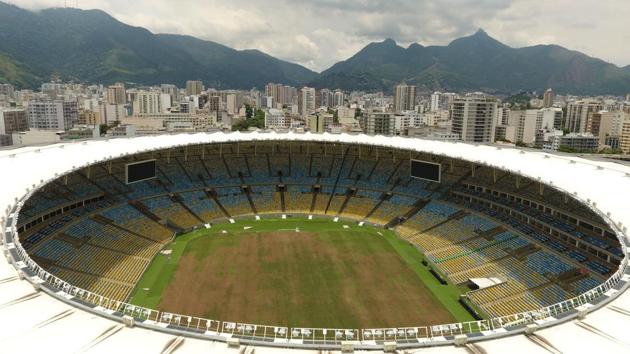
One year since the 2016 Brazil Olympics Games, most of the venues in Rio de Janeiro lie in a state of despair cocooned by an eerie silence. Multiple venues stand looted, with their windows smashed and seats torn up. In January, electricity was cut off in response to unpaid bills by the local electric utility company raising questions about the promises made by authorities that the Rio and its residents would benefit from the sports infrastructure. (AFP)
Updated on: Aug 7, 2017 4:26 PM IST


Share via


Copy link

1/10
 View Photos in a new improved layout
Updated on Aug 7, 2017 4:26 PM
One year since the 2016 Brazil Olympics Games, most of the venues in Rio de Janeiro lie in a state of despair cocooned by an eerie silence. Multiple venues stand looted, with their windows smashed and seats torn up. In January, electricity was cut off in response to unpaid bills by the local electric utility company raising questions about the promises made by authorities that the Rio and its residents would benefit from the sports infrastructure. (AFP)
2/10
 View Photos in a new improved layout
Updated on Aug 7, 2017 4:26 PM
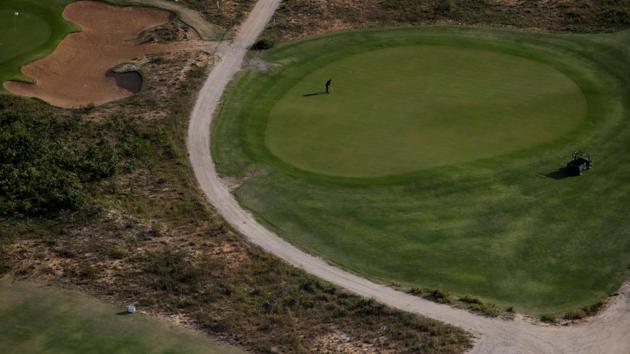
A birds eye view of the 2016 Rio Olympics golf venue in Rio de Janeiro which lies in a dismal state with few golfers . The source of the problem is believed to be a payment dispute between the Brazilian Golf Federation and the maintenance company. (Ricardo Moraes/REUTERS)
3/10
 View Photos in a new improved layout
Updated on Aug 7, 2017 4:26 PM
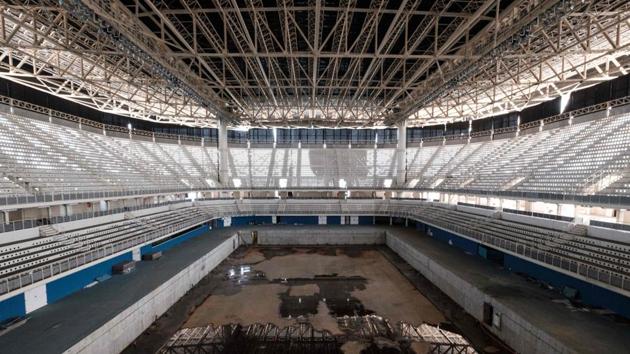
The Olympics Aquatics Stadium which hosted the swimming competition at the Rio 2016 Olympic and Paralympic Games at the Olympic Park in Rio de Janeiro, Brazil. A year after Rio's Olympic Games its festive spirit seems a distant memory for the troubled population under a deep economic crisis. (Yasuyoshi Chiba /AFP)
4/10
 View Photos in a new improved layout
Updated on Aug 7, 2017 4:26 PM
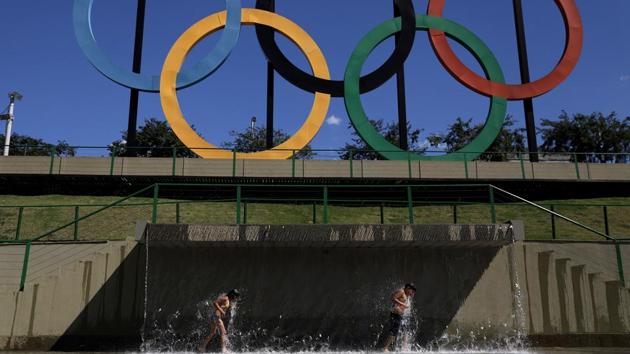
In 2009 when Brazil won the hosting rights for 2016 Olympics Games most citizens were celebrating. Shortly after the worst recession in the last 25 years rocked the country with unemployment rates shooting up. A more than $10 billion projects coupled with internal governmental corruptions crippled the country, leading to cuts on health care and education. (Ricardo Moraes/REUTERS)
5/10
 View Photos in a new improved layout
Updated on Aug 7, 2017 4:26 PM
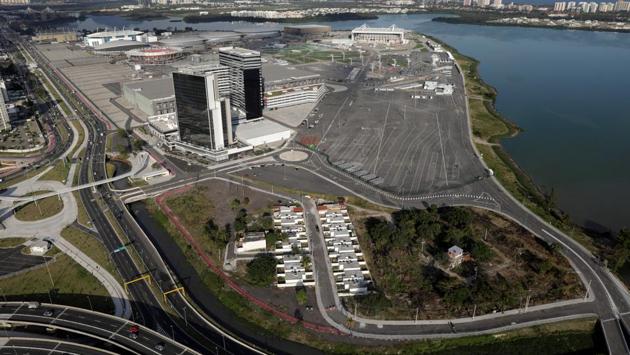
An aerial view shows the twenty houses built for the residents who refused to leave the Vila Autodromo community next to the Rio 2016 Olympics Park in Rio de Janeiro,Brazil. (Ricardo Moraes/REUTERS)
6/10
 View Photos in a new improved layout
Updated on Aug 7, 2017 4:26 PM
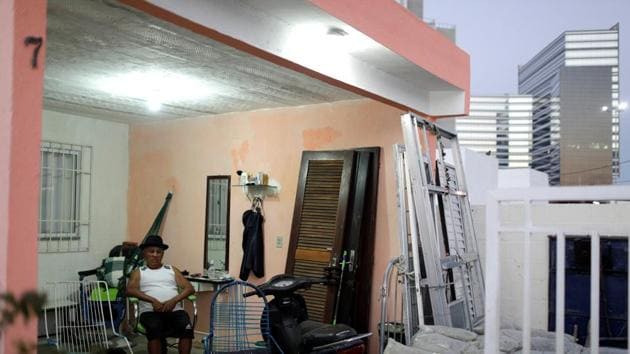
Villa Autodrome was home to more than 600 families before the authority demolished most of the houses to make access roads for the Olympics Park. (Ricardo Moraes/REUTERS)
7/10
 View Photos in a new improved layout
Updated on Aug 7, 2017 4:26 PM
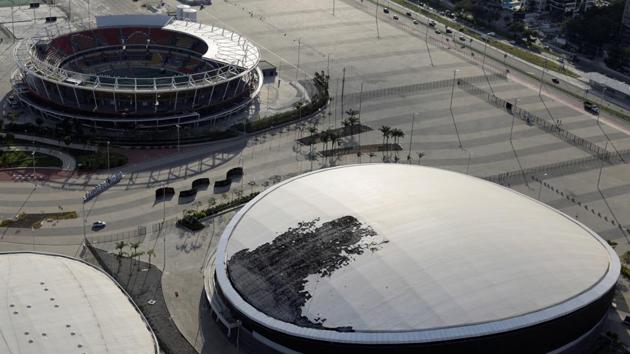
The Velodrome which had its roof partially burnt after a fire at the Olympics park in Rio de Janeiro, Brazil. (Ricardo Moraes/REUTERS)
8/10
 View Photos in a new improved layout
Updated on Aug 7, 2017 4:26 PM
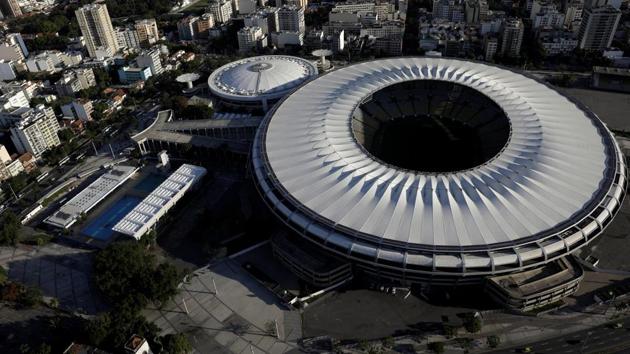
A birds eye view of the iconic Maracana stadium, one of the world’s greatest footballing arenas lies abandoned following dispute which mostly involved bureaucratic blame games. (Ricardo Moraes/REUTERS)
9/10
 View Photos in a new improved layout
Updated on Aug 7, 2017 4:26 PM
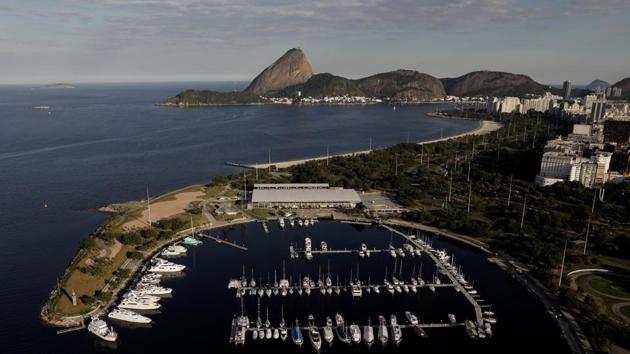
Rio organizers promised to clean up polluted Guanabara Bay in their winning bid in 2009. During the Olympics, officials used stopgap measures to keep floating sofas, logs, and dead animals from crashing into boats during the sailing events. The bankruptcy since the Olympics ceased major efforts to clean the bay. (Ricardo Moraes/REUTERS)
10/10
 View Photos in a new improved layout
Updated on Aug 7, 2017 4:26 PM


