
 E-Paper



Photos: Sudan looks to pyramids to attract tourism - and hard currency
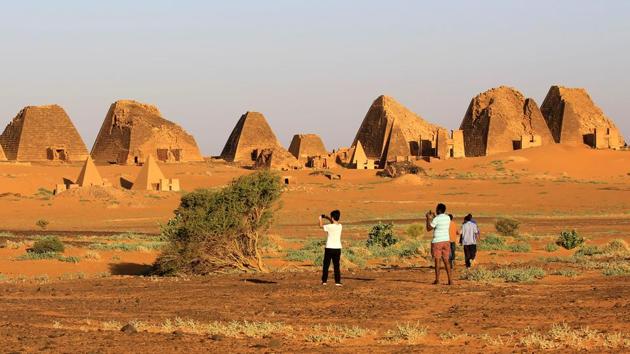
Sudan has more - though smaller - pyramids than Egypt, but attracted only about 700,000 tourists in 2018 compared to some 10 million in its northern neighbours. Conflicts and crises under veteran ruler Omar al-Bashir, a tough visa regime and a lack of roads and decent hotels outside Khartoum have made Sudan an unlikely tourist destination.
Updated on: Nov 19, 2019 10:25 AM IST


Share via


Copy link

1/7
 View Photos in a new improved layout
Updated on Nov 19, 2019 10:25 AM
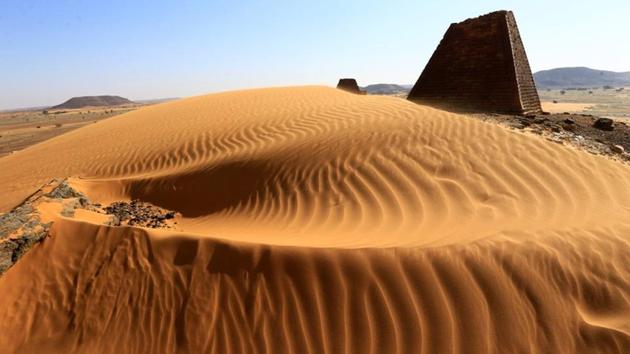
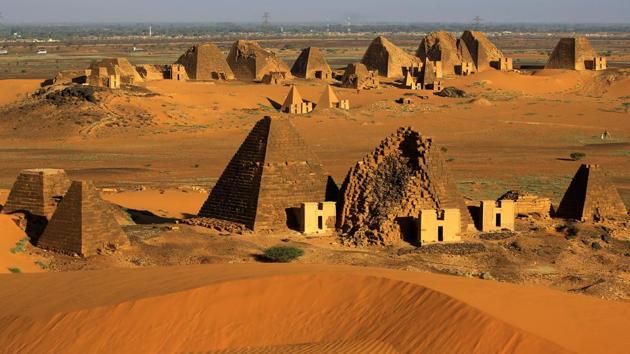
Desert sands surround the Royal Cemeteries of Meroe Pyramids in Begrawiya at River Nile State, Sudan. Portuguese architect Tania Monteiro and her husband are almost alone as they tour Sudan’s pyramids, a world-class attraction long neglected by the world. “People are really, really nice, always very welcoming,” Monteiro said on a recent visit to Meroe, an ancient city on the east bank of the River Nile about 200 km (125 miles) northeast of the capital Khartoum. (Mohamed Nureldin Abdallah / REUTERS)
2/7
 View Photos in a new improved layout
Updated on Nov 19, 2019 10:25 AM
Tourists take pictures of the Royal Cemeteries of Meroe Pyramids in Begrawiya. Sudan has more - though smaller - pyramids than Egypt, but attracted only about 700,000 tourists in 2018 compared to some 10 million in its northern neighbour. (Mohamed Nureldin Abdallah / REUTERS)
3/7
 View Photos in a new improved layout
Updated on Nov 19, 2019 10:25 AM
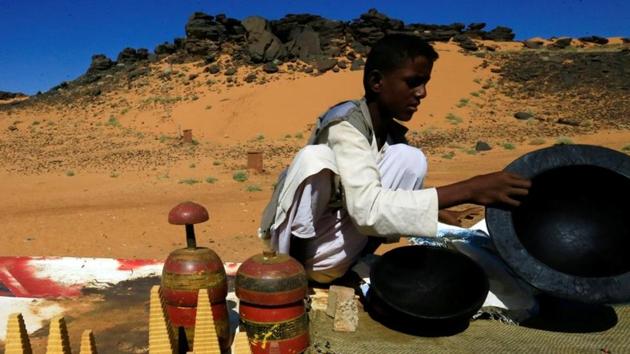
Conflicts and crises under veteran ruler Omar al-Bashir, a tough visa regime and a lack of roads and decent hotels outside Khartoum have made Sudan an unlikely tourist destination. But Bashir lost power in April, and the new civilian transition government is easing visa rules to attract more visitors with their hard currency to places such as the Royal Pyramids of Meroe. (Mohamed Nureldin Abdallah / REUTERS)
4/7
 View Photos in a new improved layout
Updated on Nov 19, 2019 10:25 AM
Tourists look at site map inside the site information centre of the Royal Cemeteries of Meroe Pyramids. Like the Egyptians, the Nubian Kush dynasty that ruled in the area some 2,500 years ago buried members of the royal family in pyramid tombs. Near Meroe’s pyramids lie an array of temples with ancient drawings of animals and the ancient city of Naga, and there are more pyramids further north at Jebel Barka. (Mohamed Nureldin Abdallah / REUTERS)
5/7
 View Photos in a new improved layout
Updated on Nov 19, 2019 10:25 AM
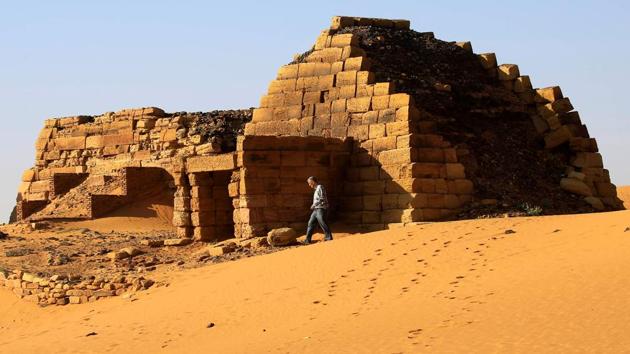
A tourist walks near the Royal Cemeteries of Meroe Pyramids. The new government has already started relaxing the visa system, including dropping a permit required for travel outside Khartoum, said Graham Abdel-Qadir, undersecretary of the ministry of information, culture and tourism. “There has been already a rise of tourists in October and November thanks to the new system,” he said. Arrivals fell this year because of unrest but numbers are expected to exceed 900,000 next year and might reach up to 1.2 million in 2021, he added. (Mohamed Nureldin Abdallah / REUTERS)
6/7
 View Photos in a new improved layout
Updated on Nov 19, 2019 10:25 AM
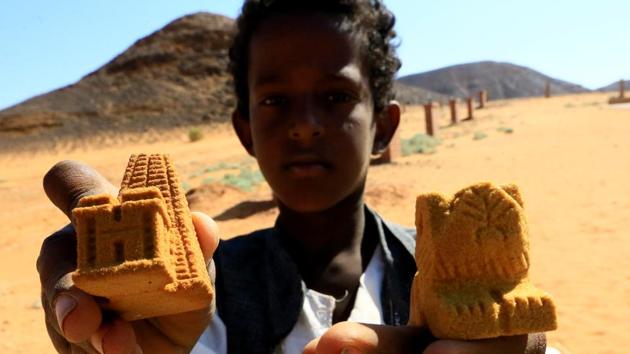
A tour vender displays miniature statues of lions and pyramids near the Royal Cemeteries of Meroe Pyramids. Sudan needs tourists after decades of isolation and hyperinflation. At Meroe, thanks to money from Qatar and German expertise, a visitor’s centre has been set up explaining the history of Sudan and the pyramids. There are walking tracks and a new reception centre. (Mohamed Nureldin Abdallah / REUTERS)
7/7
 View Photos in a new improved layout
Updated on Nov 19, 2019 10:25 AM


