

 E-Paper


Dance to beat
1 / 8

 View Photos in a new improved layout
Updated on Feb 10, 2012 10:21 pm IST
Members of a comparsa, an Uruguayan carnival band, perform during the first night of the Llamadas parade in Montevideo. The Llamadas, which is Spanish for "Call", originated during the colonial times when slaves played drums to keep in touch with relatives and friends. REUTERS/Andres Stapff
2 / 8
 View Photos in a new improved layout
Updated on Feb 10, 2012 10:21 pm IST
Members of a comparsa, an Uruguayan carnival band, perform during the first night of the Llamadas parade in Montevideo. The Llamadas, which is Spanish for "Call", originated during the colonial times when slaves played drums to keep in touch with relatives and friends. REUTERS/Andres Stapff
3 / 8
 View Photos in a new improved layout
Updated on Feb 10, 2012 10:21 pm IST
Members of a comparsa, an Uruguayan carnival band, play the drums to perform candombe music and dance during the first night of the Llamadas parade in Montevideo. The Llamadas, which is Spanish for "Call", originated during the colonial times when slaves played drums to keep in touch with relatives and friends. REUTERS/Andres Stapff
4 / 8
 View Photos in a new improved layout
Updated on Feb 10, 2012 10:21 pm IST
Members of a comparsa, an Uruguayan carnival band, plays the drums to perform candombe music and dance during the first night of the Llamadas parade in Montevideo. The Llamadas, which is Spanish for "call", originated during colonial times when slaves played drums to keep in touch with relatives and friends. REUTERS/Andres Stapff
5 / 8
 View Photos in a new improved layout
Updated on Feb 10, 2012 10:21 pm IST
Members of a comparsa, an Uruguayan carnival band, play the drums to perform candombe music and dance during the first night of the Llamadas parade in Montevideo . The Llamadas, which is Spanish for "Call", originated during the colonial times when slaves played drums to keep in touch with relatives and friends. REUTERS/Andres Stapff
6 / 8
 View Photos in a new improved layout
Updated on Feb 10, 2012 10:21 pm IST
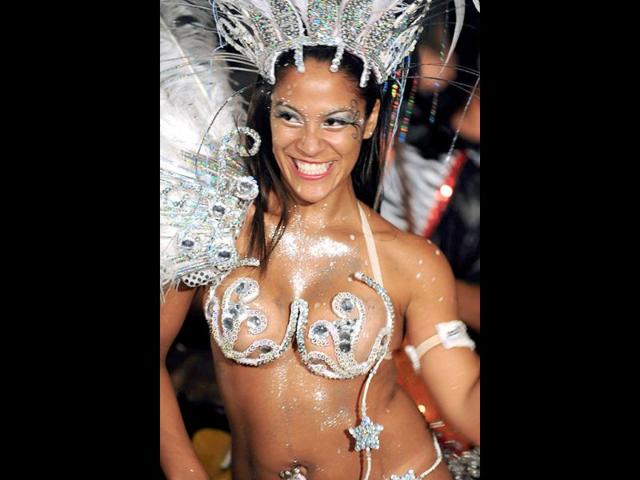
A dancer performs during the first night of the "Llamadas" (Calls) parade of the carnival of Montevideo. The "Llamadas" is Uruguay's biggest carnival parade, in which "comparsas" -- groups of dancers and drummers of the traditional "candombe" music -- compete for two nights of parades. AFP PHOTO/PABLO PORCIUNCULA
7 / 8
 View Photos in a new improved layout
Updated on Feb 10, 2012 10:21 pm IST
Drummers perform during the first night of the "Llamadas" (Calls) parade of the carnival of Montevideo. The "Llamadas" is Uruguay's biggest carnival parade, in which "comparsas" -- groups of dancers and drummers of the traditional "candombe" music -- compete for two nights of parades. AFP PHOTO/PABLO PORCIUNCULA
8 / 8
 View Photos in a new improved layout
Updated on Feb 10, 2012 10:21 pm IST