E-Paper



The unspoken skill of the AI era: Clear & crisp writing
Why clear, crisp writing is the ultimate skill in the age of generative AI, and how mastering written communication drives real technical productivity.

 Prefer HTon Google


The rapid emergence of frontier LLM platforms like ChatGPT, Gemini, Grok, and Claude hasn't rendered human writing obsolete. If anything, it has elevated clear, concise, and structured writing into one of the most vital competitive skills in modern technology.
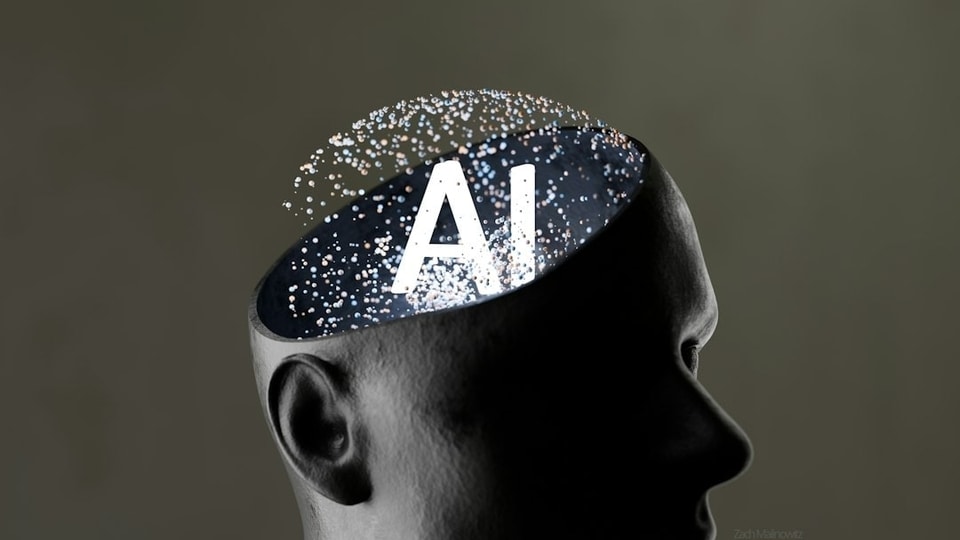
As technical leaders review outputs from engineering and product teams leveraging generative AI, a universal operational challenge stands out: professionals struggle to articulate their exact requirements.
Engineers and managers frequently spend hours wrestling with AI interfaces rewriting queries, getting stuck in loops, and receiving low-quality or error-prone outputs only to dismiss the technology as "ineffective."
In reality, the failure rarely lies within the model's capabilities. The bottleneck is a breakdown in clear human expression.
Natural Language as Code: The Discipline of Structured Prose
Just as engineering organizations enforce strict code quality and documentation standards, enterprise AI workflows demand prompting standards.
LLMs function on context clarity and logical structure. Think of foundational AI models much like an incredibly capable junior engineer or a precocious assistant: they follow instructions meticulously, but they lack telepathic context. If your input is ambiguous, chaotic, or under-specified, the model will output plausible-sounding hallucinations or incomplete code.
Prompting is not a secret programming trick; it is a discipline of structured writing.
If you cannot articulate what you need, why you need it, and what constraints apply in a few logical sentences, the AI will inevitably fail to deliver a production-grade result.
The 3-Step Metaprompt Workflow: From Raw Thought to Precision Spec
How do technical professionals overcome this gap and stop wasting cycles on trial-and-error prompting? By separating conceptual thought from prompt construction.
A highly effective operational strategy is the three-step Metaprompting Workflow:
- Write Out Raw Logic First: Lay down your requirements, constraints, edge cases, and target outcomes in plain, natural language without worrying about formatting rules.
- Use AI to Architect the Final Prompt: Ask a frontier model (like Gemini or ChatGPT) to evaluate your raw specification and generate an optimized, structured prompt.
- Execute in Specialized Tools: Feed that refined, high-precision prompt directly into specialized AI development environments or coding assistants like Cursor.
By treating written documentation as the core design input, you bridge the gap between vague human intent and deterministic execution.
The Ultimate Interface: Why Crisp Prose Drives Technical Velocity
The biggest roadblock to scaling AI across enterprises isn't vendor pricing, API rate limits, or context window limits—it is our collective ability to communicate effectively with intelligent systems.
For software architects, technical leaders, and developers, the directive is clear: hone your writing skills.
Your ability to organize thoughts, define clear constraints, eliminate conversational fluff, and write crisp specifications is no longer just a soft skill for team meetings. It is the core interface driving your automated systems, code generation, and business strategy.
Follow Along: More on Writing & AI Leadership
When you observe an AI workflow fail because of a vague spec, or watch a developer blame the LLM for a poorly defined context, don’t dismiss it as a random technical glitch.
Elite technical leaders recognize these misalignments and build standardized prompt engineering and technical writing guidelines into their team's core workflow. By turning clear writing into an organizational habit, you build a technical operation that scales seamlessly alongside AI tools.
If your daily written communication isn't actively improving the clarity and velocity of your technical outputs, you aren't leading an AI workflow—you're just drowning in manual revisions.
I write about writing, prompting, and technical leadership for architects and developers.
Stay connected and follow @smanjunath for more.