E-Paper



‘Customers will end up paying’: Bengaluru CEO weighs in on UPI MDR debate
Bengaluru-based entrepreneur Siddharth Dialani argued that customers will eventually end up paying the UPI MDR instead of merchants.

 Prefer HTon Google


The Centre's decision to impose a merchant discount rate (MDR) on UPI payments above ₹2,000 made to merchants has sparked a heated debate online. On social media, thousands of people have raised concerns that the MDR would eventually be passed on to customers, increasing the cost of everyday purchases. Bengaluru-based entrepreneur Siddharth Dialani said as much in an X post shared yesterday.
What is MDR?
MDR is a small fee that merchants pay to banks and payment companies each time a customer makes a digital payment. In reality, many merchants pass on MDR to customers. UPI had been exempt from MDR since 2020, a policy choice meant to push India away from cash and towards digital payments. However, now, a “nominal MDR of 0.4% will be levied on P2M transactions above ₹2,000”, says the government notification.
(Also read: Bengaluru CEO fixes footpath near Koramangala society, builds a ramp: ‘It cost me ₹2,700’)
Bengaluru CEO weighs in
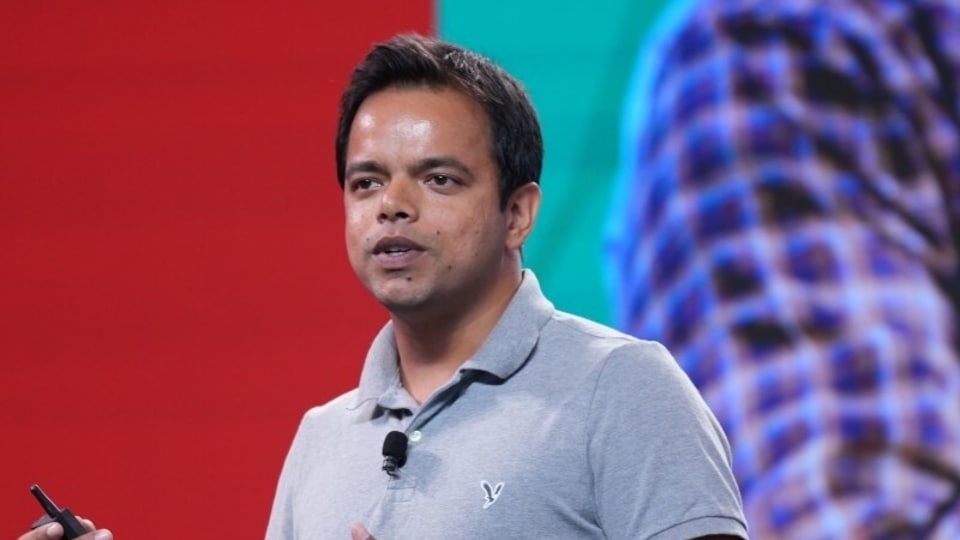
Siddharth Dialani, the co-founder and CEO of BharatAgri, weighed in on the UPI fee debate by saying that customers will eventually end up paying extra.
He cited the examples of Swiggy and Zomato — food delivery companies forced to introduce price mark-ups, platform fee and delivery fee to earn money.
“When Swiggy and Zomato started food delivery, they expected restaurants to give them discounts as (1) they brought more business to restaurants (2) those online orders didn't need tables, air conditioning, waiters, etc,” the Bengaluru-based founder said.
Instead, restaurants did not give discounts to Zomato and Swiggy, forcing the food aggregators to earn money from customers by introducing unnecessary fees. Dialani said the same thing would happen with UPI.
“What ended up happening was that restaurants charged the same amount to these aggregators as dine-in orders.
“So, these aggregators had to introduce price mark-ups, platform fee, delivery fee, etc. in order to earn money.
“Customers ended up paying those additional fees, as restaurants didn't pass on the savings from online orders,” he wrote on X.
“There lies a learning for MDR on UPI. At the end of it, customers will end up paying the fee, as merchants and banks would refuse to pass on the savings from cash handling,” he concluded.
(Also read: Petrol pump dealers threaten cash-only payments over ₹5 UPI charge above ₹2,000)
Debate over UPI fee
While the Central government maintains that digital payments remain entirely free for citizens, warning that imposing merchant costs onto consumers is illegal and a criminal offence, the Congress-led Opposition has termed the move a "betrayal" and a "UPI tax," alleging that the Modi administration has capitulated to American pressure to benefit foreign payment corporations.
Reassuring consumers amid raging debates over digital transaction charges, Union Minister for Communications Jyotiraditya M Scindia on Wednesday made it clear that any attempt by merchants to impose the costs of the Merchant Discount Rate (MDR) on transactions done through Unified Payments Interface (UPI) to customers would violate the law and constitute a criminal offence.
However, public sentiment on social media reflects the customers’ worries about eventually being forced to foot the bill.
“This “merchant will bear costs” take is such a mid-wit take. All costs are terminal on the final customer,” wrote one X user while responding to Siddharth Dialani’s post. “The customer has to always pay. There's no way out of it,” another agreed.
(With inputs from ANI)