
 E-Paper



Indian man compares how ageing parents live in Norway and India, says ‘we mixed love with duty, money and guilt’
The man said that Norway's system is designed so that an elderly parent's comfort does not depend on children's income or their ability to provide everyday care

 Prefer HTon Google


An Indian man living in Norway has sparked a discussion on how ageing parents are cared for in India and Norway after comparing the two systems in a post on X.
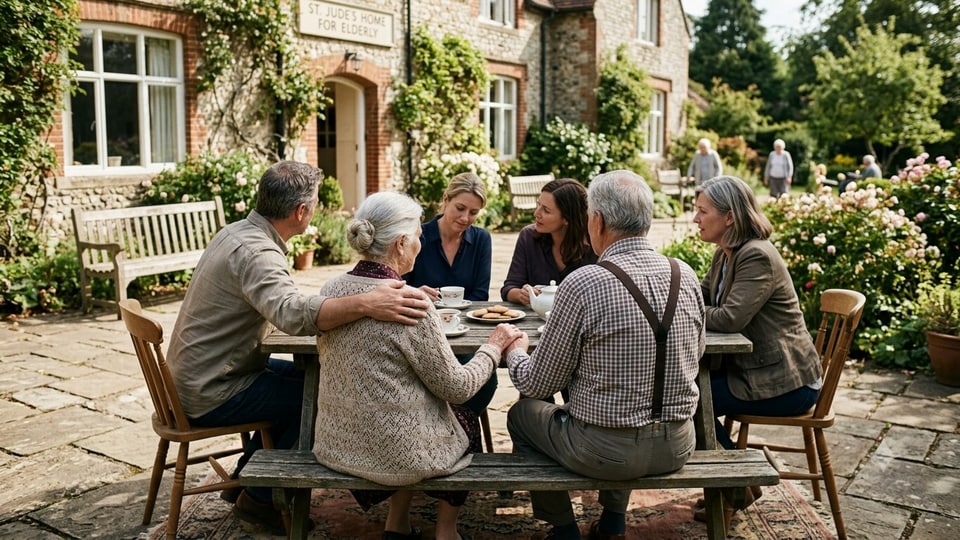
In the post, shared by a user named Vinod, he said ageing parents in Norway generally do not move in with their children. Instead, they may continue living in their own homes or move into care homes where, he said, nurses check on them, meals and activities are arranged, and their dignity and independence are prioritised.
However, he stressed that living separately does not necessarily mean families become distant.
"They meet on weekends with their grandchildren. They plan family get-togethers. They go on holidays together. They stay connected, just without making parents dependent on their children," he wrote.
Vinod said that the system in Norway is designed so that an elderly parent's comfort does not depend on their children's income or their ability to provide day-to-day care. "The system is built so an old parent's comfort does not depend on how much their son earns, how much their daughter can love, or how kind their daughter-in-law is," he wrote.
He contrasted this with India, where putting ageing parents in an old-age home can attract social criticism. "In India, if you put your ageing parents in an old-age home, the whole street talks about it," he wrote.
He said Indian families can end up balancing several responsibilities at once, including jobs, home-loan EMIs, children's school fees and ageing parents' medical expenses. He also suggested that some elderly parents may remain silent about their needs because they do not want to feel like a burden on their children.
"It is not that we do not love our parents. Norwegians love theirs too. But we mixed love with duty, money, dependency and guilt, and called it 'sanskar'," Vinod said.
He argued that elderly parents should have the freedom to grow old without feeling dependent, guilty or like a burden, and questioned whether India needs a stronger system to support ageing citizens.
"Do we need a system in India to address this? Isn't this as important as education for our kids?" he asked.
(Also read: NRI reveals ‘single biggest difference’ between India and Norway: ‘Isn’t money or wealth’)
Social media reactions
The post prompted mixed reactions on X, with several users pointing to the differences in infrastructure, social structures and the emotional needs of elderly parents.
One user wrote, "I believe that you are missing the bigger point here. In old age you are comfortable at the place where you have lived for so many years. The last thing old parents want is a change of place. The neighbours,friends, surroundings contribute to their mental well being."
"Indian citizens barely have the roads, infrastructure, hospitals, clean food, clean air like Norway citizens, looking at this topic in isolation without adequate skilled care providers is only emotional bias in play, I bet insurance and social security is also involved there, in India caste and gender takes precedence when it comes to real reforms," commented another.
"Though children can never pay back to parents, but taking care when they are at their most vulnerable is the bare minimum that children can do," wrote a third user.
"Yes the systems need to be built in a way that parents are independent. A lot also depends on their or their kids income levels since more of these care homes - the good ones - are expensive...and out of reach for the middle class," said another.


