
 E-Paper



2027 Social Security COLA forecast: How much could your monthly check increase next year?
The 2027 Social Security COLA could reach 3.5%, giving retirees bigger checks. Here’s what the latest forecast means for monthly benefits and payments.

 Prefer HTon Google


The latest 2027 Social Security COLA forecast puts the possible increase at 3.5%, giving retirees a clearer idea of how much their monthly checks could rise next year.
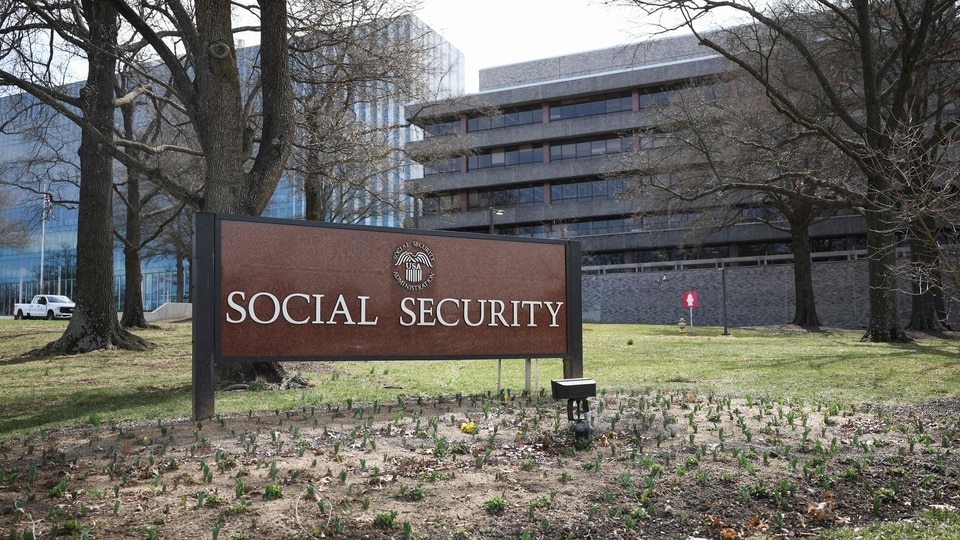
Social Security recipients could see their monthly payments increase in 2027. AARP's latest estimate puts the 2027 cost-of-living adjustment (COLA) at 3.5%.
AARP gave the latest 3.5% estimate based on inflation data available so far. But 3.5% is not the final COLA. The estimate could still move up or down because the government has not finished the inflation data needed to calculate the official increase.
The possible 2027 increase would be higher than this year's COLA. Social Security benefits increased by 2.8% in 2026. If the 3.5% forecast becomes official, beneficiaries would get a larger increase next year.
How much more could you get?
A 3.5% COLA would add about $35 for every $1,000 in monthly Social Security benefits. For someone receiving $1,500 a month, a 3.5% increase would add about $52.50.
The new monthly benefit would be around $1,552.50. For someone receiving $2,000 a month, the increase would be about $70 per month, taking the payment to roughly $2,070. For someone receiving $2,500 a month, a 3.5% increase would add around $87.50 each month, bringing the benefit to about $2,587.50.
The average retired worker could also see a noticeable increase. The Social Security Administration reported that the average monthly benefit for retired workers was $2,084.40 in June 2026, according to the SSA. At a 3.5% COLA, that average benefit would rise by about $72.95 per month.
The monthly payment would become approximately $2,157.35. The final amount will depend on each person's current benefit. These examples are only estimates because Social Security payments vary from one beneficiary to another.
Also read: S&P 500 just hit a level seen only once before in 155 years — could a market crash be next?
Why 2027 COLA can change
The 3.5% figure is only a forecast right now. The official 2027 Social Security COLA has not yet been announced. The COLA is linked to the Consumer Price Index for Urban Wage Earners and Clerical Workers, known as CPI-W. The government uses this inflation measure to calculate the annual increase.
The calculation does not simply use the latest inflation number. Social Security looks at the average CPI-W readings for July, August and September. Those three months are important because they are used to determine the final COLA. The third-quarter average is compared with the relevant figures from the previous year.
July's inflation data is therefore only the beginning. Inflation readings for August and September can still change the final 2027 COLA estimate. Forecasts have already moved as inflation data changed. Earlier estimates were higher, but projections have generally moved toward the mid-3% range as inflation cooled.
Another forecast is slightly higher than AARP's estimate. The Senior Citizens League has projected a possible 3.6% COLA, which is 0.1 percentage point above the 3.5% AARP estimate. That small difference can add up over time. For example, on a $2,084.40 monthly benefit, a 3.5% increase would mean about $73 more per month, while a 3.6% increase would mean about $75 more.
Over a full year, the difference would be roughly $25 for someone receiving the average retired-worker benefit. So even a small change in the COLA percentage can matter over 12 months. The official number will come after the required inflation data is available. The Social Security Administration will have to use the third-quarter CPI-W figures to determine the final COLA.
The 2027 increase would start with benefits paid in January 2027. The SSA says COLAs are designed to help prevent inflation from reducing the purchasing power of Social Security and Supplemental Security Income benefits.
Higher check, but higher costs
A bigger Social Security payment does not automatically mean retirees will have more money to spend. Other costs can rise at the same time. Medicare premiums are one major factor. If Medicare costs increase, some of the Social Security COLA could be taken up by higher Medicare deductions.
Also read: Which US products could get pricier under Trump's Canada tariffs? Here's the list
This means the actual increase in a person's take-home Social Security payment could be smaller than the headline COLA. The final impact will depend on the individual's Medicare costs and other deductions. There is also a debate over whether CPI-W fully reflects retirees' expenses. Older Americans can face different spending patterns from younger workers.
Healthcare and housing costs can be especially important for retirees. If those expenses rise faster than overall inflation, a 3.5% Social Security increase may not feel like a 3.5% increase in purchasing power. For now, 3.5% is the key 2027 Social Security COLA forecast to watch. Other estimates, including the 3.6% projection from the Senior Citizens League, suggest the final number could be slightly higher.
For a retiree receiving the current average benefit of $2,084.40, a 3.5% COLA would mean about $73 more each month. That works out to roughly $875 more over a full year, before any changes in Medicare deductions or other factors.
The final number is still months away from being certain. The remaining inflation data, especially the August and September CPI-W readings, will determine whether the 2027 COLA ends up at 3.5%, 3.6% or another figure.
For Social Security recipients, the next few months will therefore be important for 2027 financial planning. Beneficiaries can use the 3.5% estimate as a rough planning figure for now, but should wait for the official COLA before making final retirement-budget calculations.


