
 E-Paper



El-Sayed tries to sell himself as mainstream to Michigan voters
The outspoken progressive is seeking to temper some of the heat he delivered in the primary as he pivots to a general election and tries to court his skeptics.


 Prefer HTon Google


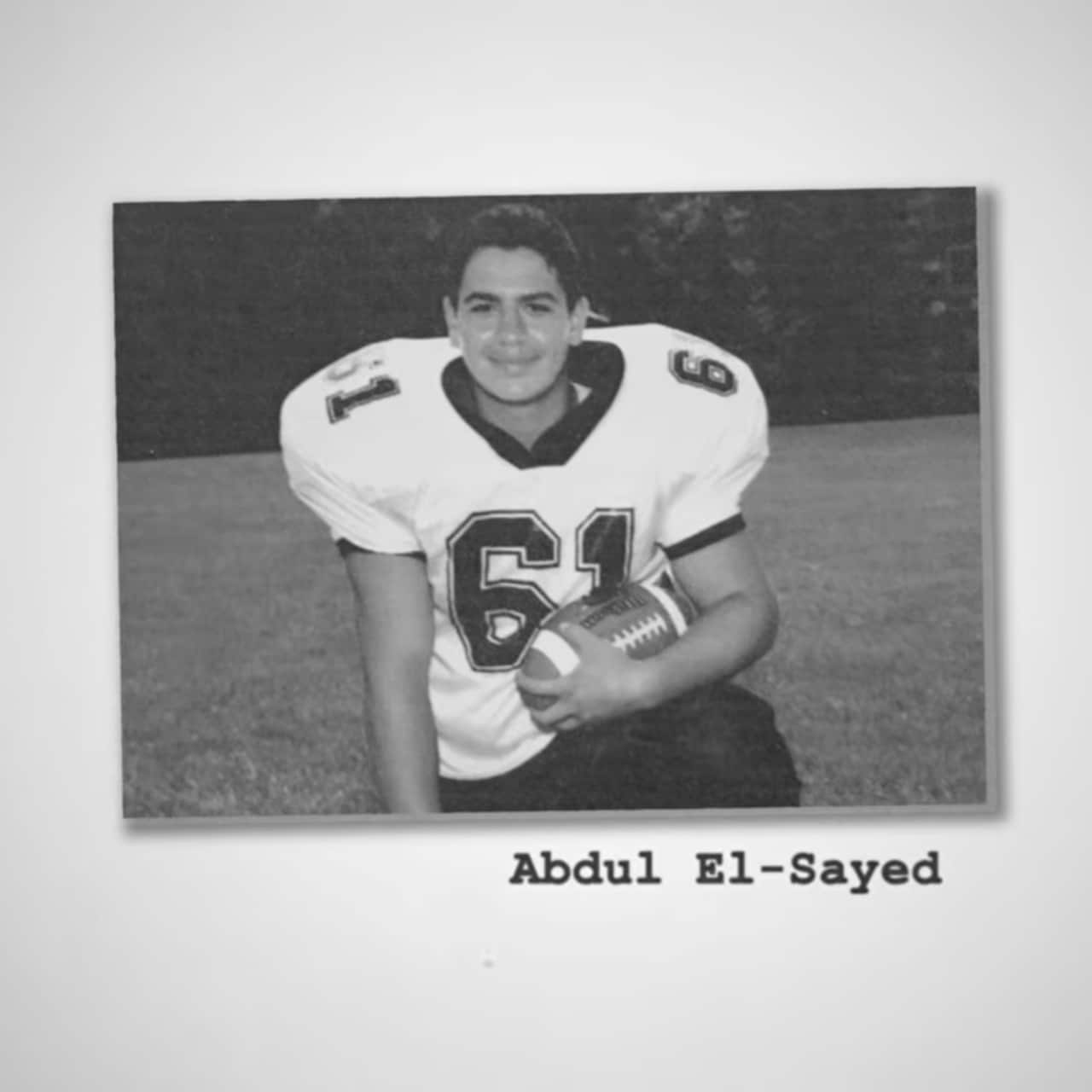
Abdul El-Sayed’s latest ads showcase his Michigan roots, including his stepmother’s white Presbyterian parents and a photo from his suburban high-school football days.
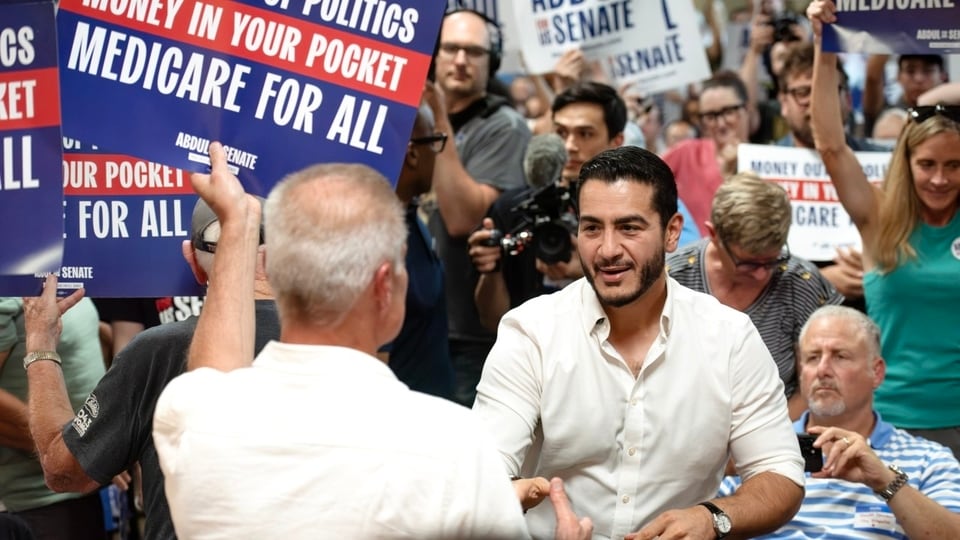
For Michigan’s Democratic U.S. Senate candidate, a central challenge heading to the midterms is convincing people his progressive politics are compatible with the mainstream in a purple state and that his Muslim faith shouldn’t be a barrier to winning.
He faces former Republican Rep. Mike Rogers in a state that delivered the second-narrowest 2024 presidential election margin. President Trump won Michigan by just 1.4 percentage points, and independent voters will play a key role in November.
El-Sayed has taken steps to connect with voters beyond the progressive base, while Republicans highlight his Muslim faith and seek to portray him as a cultural outsider. If elected, El-Sayed would be the nation’s first Muslim senator.
In the last week, the fiery progressive distanced himself from Hasan Piker after the controversial left-wing streamer suggested that American Jews’ support for Israel could put them at risk. El-Sayed in a Fox News interview also cast himself as focused on kitchen-table issues—not the culture war.
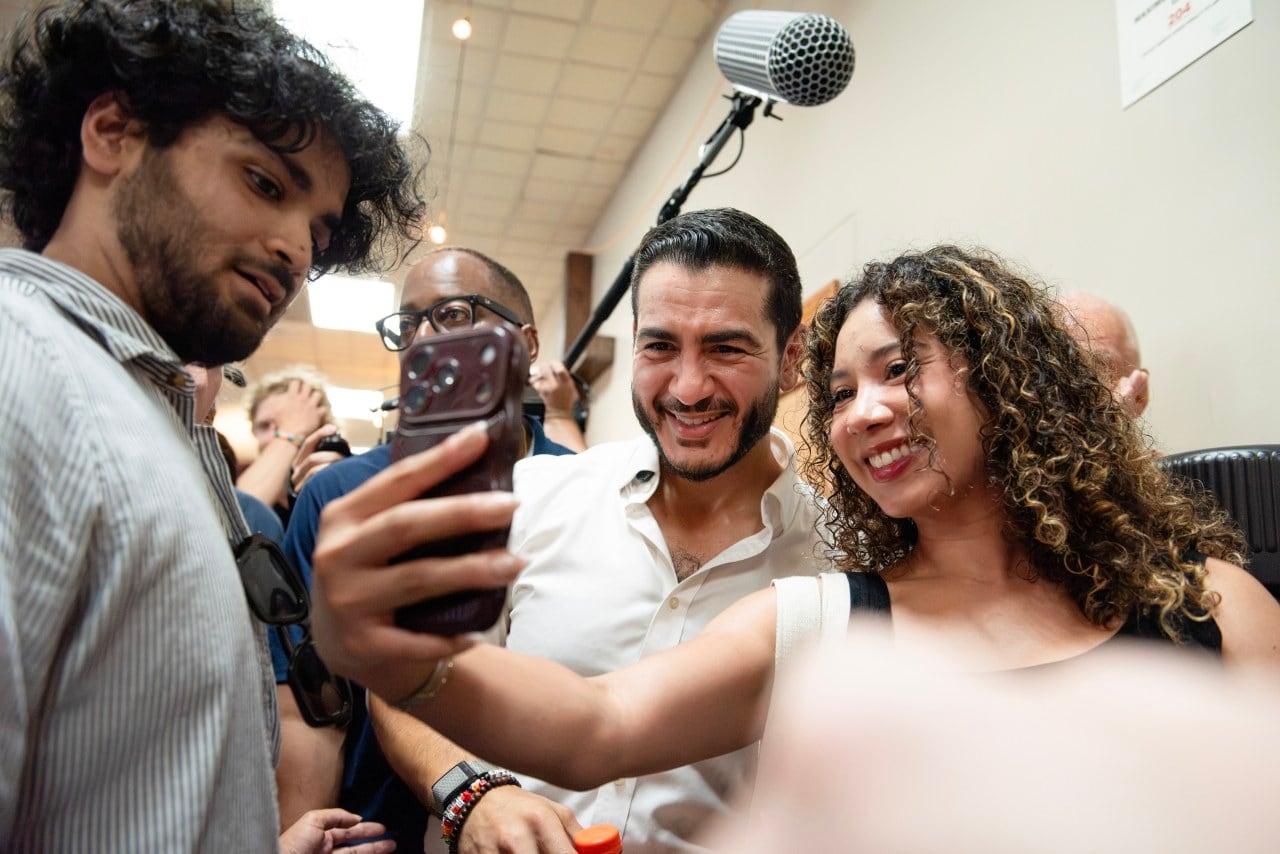
The Fox News appearance was a high-profile attempt by El-Sayed to reach beyond the Democratic base as he seeks to dispel Republican attacks. It also served as an opportunity to animate Democrats who want their candidates to be fighters unafraid to spar with Fox anchors. In the 25-minute interview, El-Sayed faced intense questioning from host Jesse Watters on a range of subjects from Shariah law to immigration enforcement to transgender athletes—and their exchange at times led to mocking and laughter from both men.
“His goal was to not be scary, to not be the monster that they’re going to try to make him out to be. That, first and foremost, I think was the objective and the second was to reassure and remind the base that they can win in enemy territory,” said Mike Madrid, a Republican strategist and co-founder of the anti-Trump Lincoln Project.
“If you do that effectively, which I think he did, I think it starts to cement you in the center with those voters that you need to win,” Madrid added.
The day after the interview, Watters seemingly confirmed that El-Sayed’s charm offensive was effective.
“He was compelling. He’s a confident guy, kind of a guy’s guy—but I don’t trust him,” Watters said, smiling. “You know, I like him. I don’t want to like him. I like him for some stupid reason, but he’s not right for Michigan.”
Cole Wozniak, an El-Sayed spokesman, said the Fox appearance was part of the campaign’s effort to not write off any voters.
“Abdul isn’t afraid of a fight,” he said. “He has spent this entire campaign showing up, taking tough questions and making his case directly to voters. As Republicans lean on tired tropes, culture wars and no solutions, our campaign will continue to show that Abdul is as Michigan as it gets.”
Appearing on Fox is increasingly part of the playbook some Democrats—including potential 2028 presidential contenders—have adopted to engage with the network’s conservative audience.
El-Sayed identifies as a progressive populist and has repeatedly rejected the label of a socialist, describing himself as a capitalist. He isn’t a member of the Democratic Socialists of America, but has support from many in the movement.
Like many far-left candidates, El-Sayed supports Medicare for All, taxpayer-subsidized child care and abolishing U.S. Immigration and Customs Enforcement. He calls Israel’s actions in Gaza genocide.
Richard Czuba, a Michigan pollster, said the ad featuring El-Sayed’s step-grandparents is a potentially effective way to counter some Republican attacks.
“Republicans are using a lot of language that is coded, not very subtly, about his name and his religion,” he said. “They want to make him look and sound different.”
Democrats took a risk by nominating El-Sayed over Rep. Haley Stevens, who argued throughout the primary that her opponents’ far-left views would turn off swing voters in November’s election.
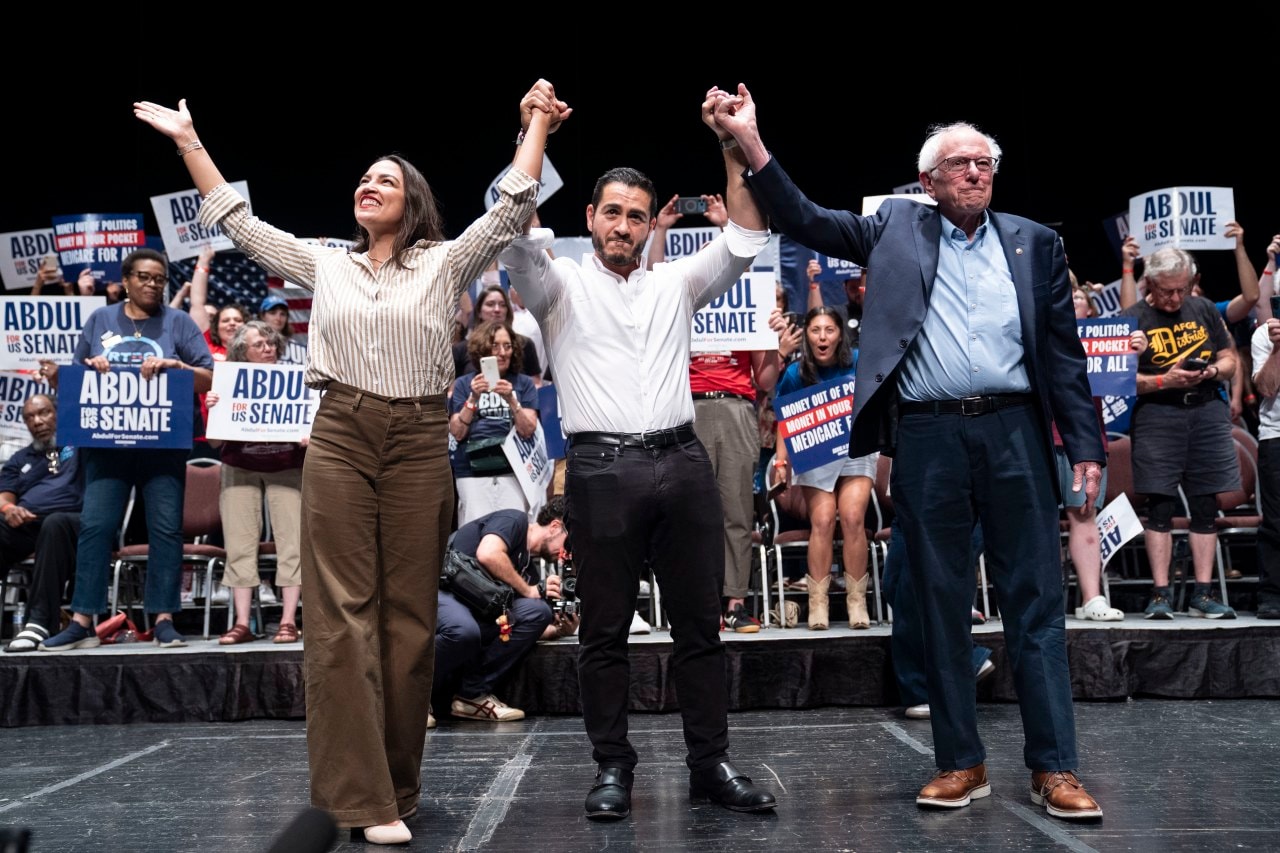
But El-Sayed, a former local public-health official, proved to be the stronger political athlete and he defeated her by less than 1 percentage point earlier this month. He is backed by Sen. Bernie Sanders of Vermont and Rep. Alexandria Ocasio-Cortez of New York, both progressive icons.
His rise comes as Democrats remain divided about how to start winning national elections again. One wing asserts battleground districts and states are won by wooing independent voters with moderation, while another thinks voters are eager for dramatic change at a time of widespread skepticism in government and widening economic disparity.
The El-Sayed campaign has run more than a dozen different ads on television and elsewhere in the three weeks since he won the primary, but it is the spot featuring his step-grandparents where he has spent roughly two-thirds of his postprimary ad dollars so far, data from AdImpact shows.
Judy and Jan Johnson emphasize El-Sayed’s Michigan roots backed by small-town imagery, with his step-grandmother opening the spot by mocking any notion that he is foreign. “Where did Abdul El-Sayed come from?,” she asks in a menacing tone, before answering with a smile, “Here. We’re his grandparents!”

El-Sayed’s victory in the primary was buoyed by support from young voters and highly educated voters. Part of his strength with young voters, Democratic strategists say, stems from his own youth—he is 41—and understanding of internet culture.
On the campaign trail he also showcases his masculinity, frequently wearing a fitted black T-shirt that shows off his biceps and displays his fitness. In one recent online fundraising pitch, El-Sayed is shown rock climbing indoors, arm muscles bulging.
In the Fox News interview, El-Sayed repeatedly called 63-year-old Rogers a “beta,” an online slang term among young people to describe a person who is weak or passive.
“I feel really good about being able to bring communities together and beat Mike Rogers, who you and I both agree is a beta and won’t come on your show and won’t debate me,” El-Sayed said. Watters laughed. El-Sayed then noted that Watters laughed at that joke because he agreed with him. Watters laughed again.
El-Sayed’s internet savvy has also faced scrutiny. During the primary, he teamed up with Piker, a streamer with 3.1 million followers on Twitch, to court young voters. Piker’s rise has become a source of tension within the Democratic Party, exposing divisions over how far left the party should move and how Democrats should appeal to younger voters.
In the Fox News interview, El-Sayed repeatedly responded to questions related to culture-war issues by rerouting the conversation to Michiganders’ economic concerns. In one exchange, Watters asked El-Sayed about Shariah law, the religious and moral code of Islam—and El-Sayed ultimately called it out as a distraction.
“The issue that people are worried about isn’t that somehow somebody’s going to push Shariah law on them,” El-Sayed said. “The issue in Michigan is people are worried about how they’re going to afford their gas. The issue in Michigan is, ‘How am I going to see a doctor when I’m sick? How am I going to keep my job?’”
Write to Sabrina Rodriguez at sabrina.rodriguez@wsj.com and John McCormick at mccormick.john@wsj.com


