
 E-Paper



 Trending News
Israeli report on soldiers using Palestinians as human shields ignites national backlash
Public outcry over the TV investigation highlights nation’s struggle to come to terms with allegations over how it fought the war in Gaza.


An investigation aired on Israeli television into soldiers’ alleged use of Palestinians as human shields in Gaza has provoked a nationalist backlash, showing the country’s struggle to come to terms with allegations about its soldiers’ conduct during the war.
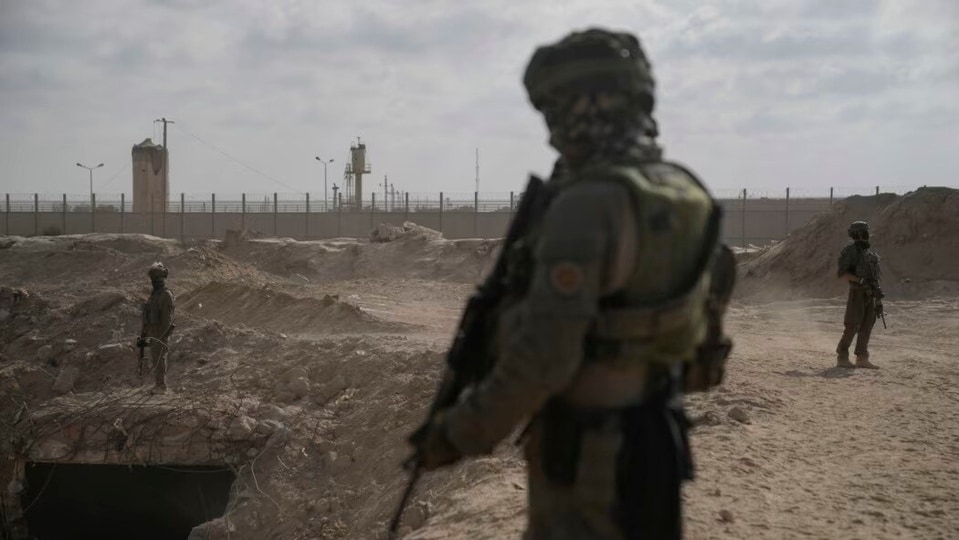
The report carried by public broadcaster Kan 11 interviewed soldiers and officers, some of them identified by name with their faces visible, who explained how they used Palestinians to lead the way when clearing tunnels or conducting other dangerous missions. The soldiers said the practice grew from the ground up when Israel ran low on the dogs and drones that had been used to sweep ahead of troops.
Wall Street Journal interviews with Israeli soldiers similarly found that the military used Palestinian civilians to clear buildings, check for explosives and enter tunnels.
In response to both sets of allegations, an Israeli military official said the military was investigating 10 cases of suspected use of human shields in Gaza and another six in the occupied West Bank. The military said using human shields is unlawful and that it prohibits coercing civilians to take part in military operations.
Israeli officials including the defense minister tried this week to prevent Kan’s investigative Zman Emet program from airing the report, arguing that it could harm Israel’s reputation, damage its security and expose soldiers to legal risks abroad. Avigdor Lieberman, the head of a party that opposes Prime Minister Benjamin Netanyahu, also tried to get the segment axed, calling it a “blood libel.”
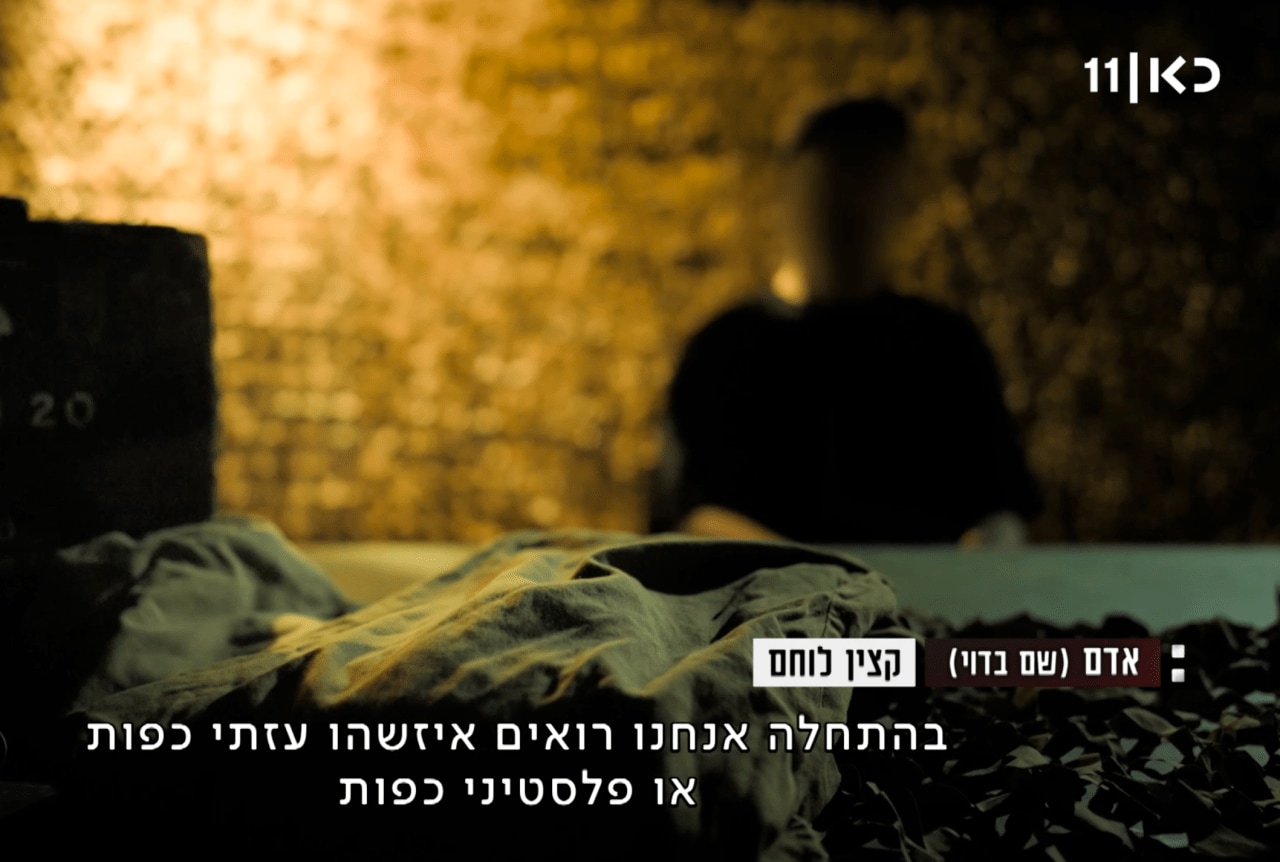
The high court rejected a petition to block the report, and it aired Wednesday night. Some viewers said the soldiers were right to use Palestinians to reduce the risk to their lives. Others said the show was tantamount to treason.
Others, including a small group of Israeli reservists, officers and commanders, urged the public broadcaster to air the program, saying public accountability was important for Israel’s military.
“Asking hard questions, checking facts and publishing investigations—that is the work of journalists. This is how they serve the public,” said Yair Golan, the head of a left-wing opposition party and a former deputy military chief. He added that he was confident that the military was capable of conducting professional and independent investigations.
The reaction echoed the response to the documentary film Naza, which premiered in September at the Venice International Film Festival and featured anonymous soldiers speaking about callous tactics by Israel’s military that increased civilian casualties during the war. Many Israelis were angered, and Netanyahu threatened to revoke the Israeli filmmakers’ citizenship.
“What this public turmoil tells us is how much criticizing the IDF is still taboo in Israeli society even among people who are happy to criticize the government,” said Ayala Panievsky, a media scholar at City St. George’s, University of London, using an acronym for the Israeli military. She has researched Israeli media coverage of Gaza during the war.
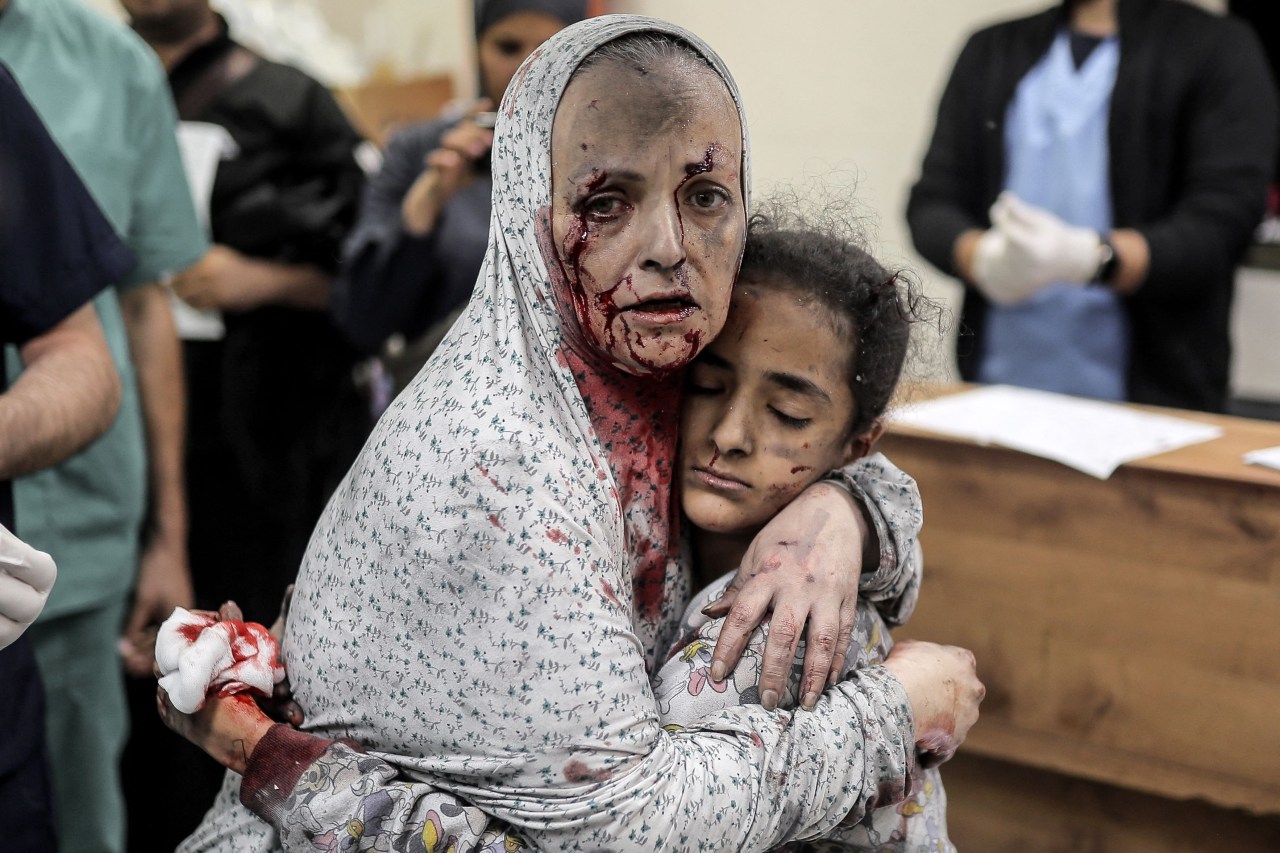
The war in Gaza, which was sparked by the deadly Hamas-led attacks of Oct. 7, 2023, on southern Israel, has left the enclave in ruins and more than 70,000 people dead, according to Palestinian health authorities, who don’t say how many were combatants. The toll has badly damaged Israel’s reputation abroad, where many think the country is guilty of genocide, charges it faces in international tribunals and denies.
Israel argues its targets are Hamas militants who embed themselves among civilians, putting them at risk. The Israeli public has struggled to square a belief that its army acts morally with persistent reports of military tactics that endangered civilians during the country’s longest war. Many Israelis oppose investigating soldiers during wartime. The country’s media has largely avoided criticizing the conduct of the military in Gaza.
The Journal spoke to several Israeli soldiers who said the practice of using Palestinians as human shields, known within some parts of the military as “mosquito protocol,” was widespread during the war in Gaza across different units and encouraged by their commanders.
One soldier said his unit used a young Palestinian man as a human shield when clearing houses for several days in the Gaza City neighborhood of Shuja’iyya during the summer of 2024. He said the man was beaten and interrogated and appeared to have mental disabilities.
Fearing ambushes, the troops made the Palestinian walk ahead of them to ensure structures were safe before they entered, according to the soldier. They had him open suspicious closets or pick up mattresses in case they were booby trapped with explosives.
Dogs trained to clear tunnels by a military unit called Oketz were in short supply, at the time, as were drones, the soldier said. “When we asked if we could have two dogs, the commanders said no, but you’ll have a mosquito,” the soldier said. “He cried a little. It was clear he wasn’t a Hamas member.”
The Palestinian was blindfolded and his hands were tied most of the time. The soldier said he was uncomfortable with the situation but didn’t complain, because he thought the method was helping keep his comrades safe. He was scolded by other soldiers when he brought the Palestinian some refreshment after a mission on a hot day.
The troops ultimately released the Palestinian in the middle of an active fighting zone at the end of their tour. The soldier said he didn’t know what became of him.
A second soldier said he saw a Palestinian used as a human shield by troops in Jabalia in November 2024. The man was forced to enter buildings ahead of the forces, he said. Despite having qualms about the practice, he said he let it pass, a decision he regrets.
Over the past week, some in Israel, including reservists, have defended the practice as a way of saving the lives of soldiers.
“Our worry is that if this protocol is stopped, it will cost a lot of lives,” reservist Ben Yaakov Sabo told Israel’s Channel 14 before the program aired. “To all those who support airing this investigation, I suggest they come inside with us and go first into the tunnels.”
Israeli soldiers have previously used Palestinian civilians in military operations. In 2005, Israel’s high court outlawed a military procedure that allowed soldiers to enlist Palestinians to approach homes where wanted suspects were hiding and warn them of an impending arrest. In 2010, two soldiers were charged and convicted after instructing a 9-year-old child in Gaza to open a backpack they suspected was loaded with explosives.
Eran Shamir-Borer, previously the Israeli military’s top international lawyer and now at the Jerusalem-based Israel Democracy Institute think tank, said the use of Palestinians to reduce the danger to Israeli soldiers appears to have been on an unprecedented scale in the recent war compared with past conflicts.
“There is clear tension between where large portions of the public are and some of the politicians as well, and where the law and also IDF operational orders and directives stand,” he said.
Using civilians as human shields or compelling enemy nationals to take part in military operations against their own country are prohibited under the law of armed conflict. Investigations of alleged war crimes in Israel that lead to indictments are rare. International and Israeli human-rights groups argue that Israel’s legal system has failed to sufficiently investigate and punish soldiers for potential war crimes.
Kan’s program Wednesday marked the first time mainstream Israeli television has examined the use of human shields during the war. Zman Emet journalist Chen Liberman said that the reservists and officers wanted their voices to be heard. The report was sympathetic to the soldiers and presented the use of human shields as a response to a lack of preparation and guidance from the military’s high command.
A group of 113 reservists, officers and commanders who served in the war wrote a letter addressed to the director general of Israel’s public broadcaster urging him to air the program despite the public outrage and pressure from politicians.
“Over the last few days there have been different calls to ax [the program], sometimes in our name,” said the letter, which was reviewed by the Journal. “We as combat soldiers don’t need protection from the truth. In fact, lies and coverups are what put us in danger.”
Write to Anat Peled at anat.peled@wsj.com


