
 E-Paper



 Trending News
Mexico Took Down a Top Drug Kingpin. Can It Dismantle His Cartel?
U.S.-backed raids are delivering tactical victories, but the crime groups remain deeply embedded in Mexican politics, society and the local economy.


Mexico is getting better at capturing the country’s most powerful drug lords, with growing help from U.S. intelligence. But the latest success this past weekend also highlights the limits of a strategy that has done little to dismantle the political and criminal networks that allow the cartels to flourish.
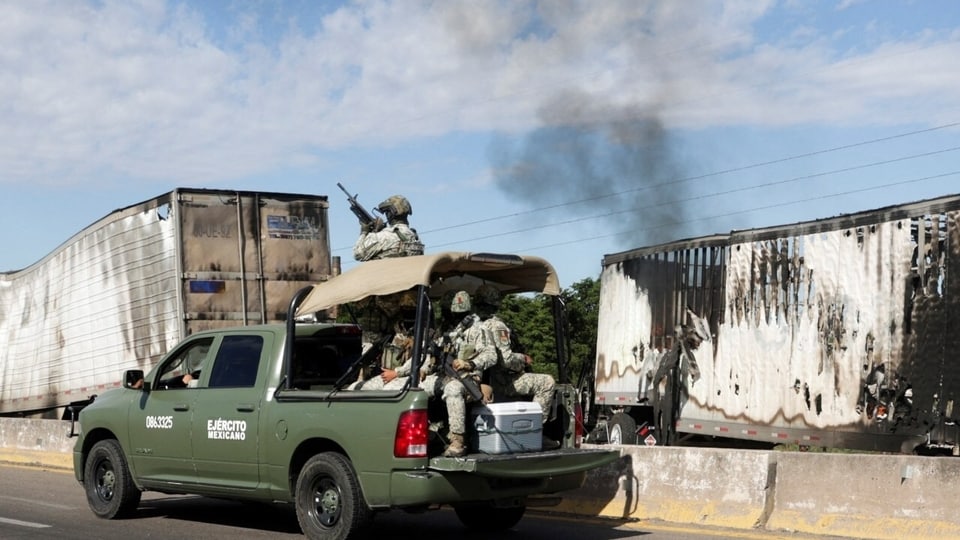
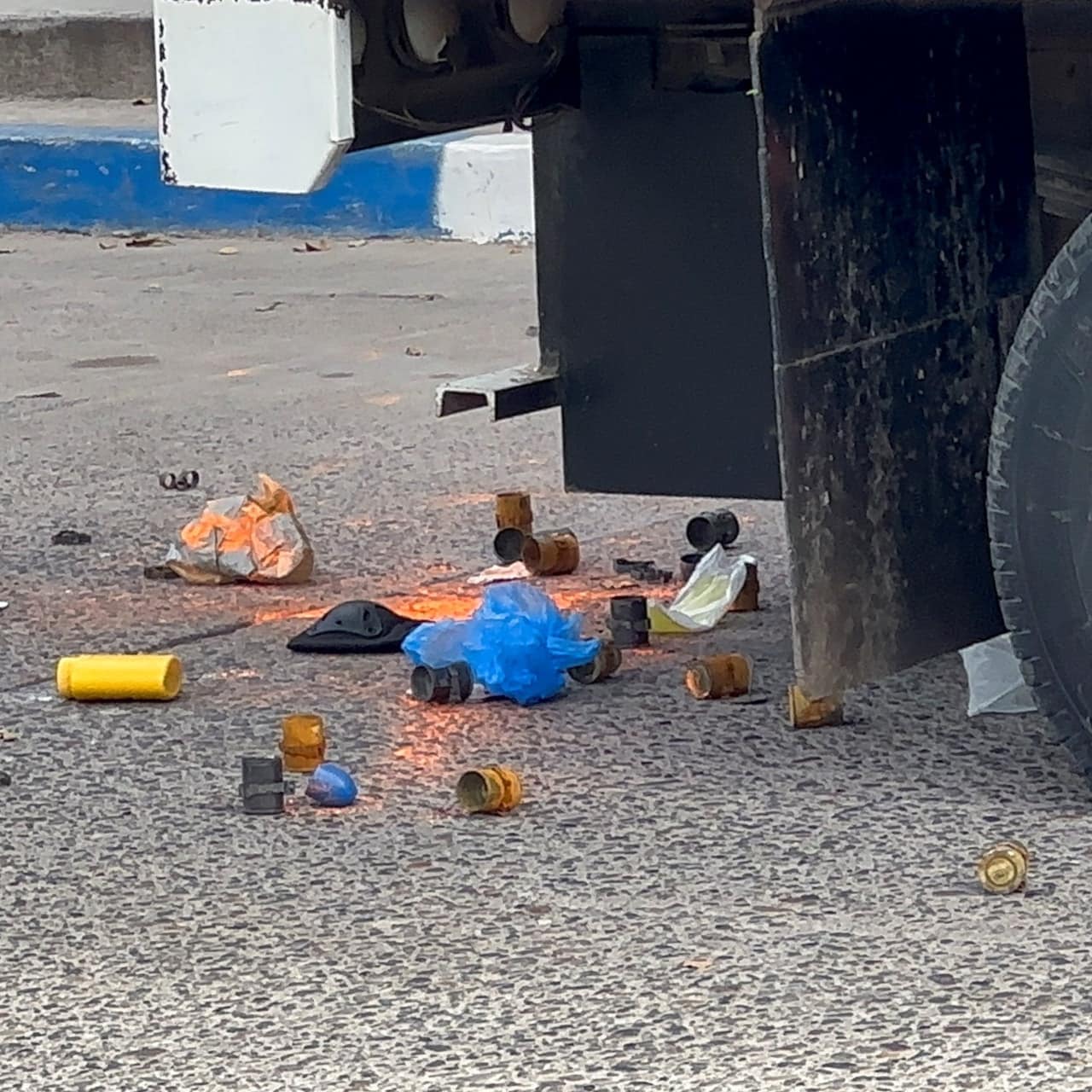
Elite Mexican troops working with U.S. intelligence captured Fausto Isidro Meza Flores, known as “El Chapo Isidro,” and 15 other members of his organization after a battle that terrorized residents of the northern Sinaloan city of Guasave. Four soldiers were killed and 10 wounded. Sixteen alleged gunmen also died in the three-hour battle.
The operation took down a drug boss who in recent years had extended his influence across 12 of Sinaloa’s 20 municipalities and controlled important trafficking routes into the U.S. But it also raises a familiar question: How much does eliminating another cartel leader actually weaken the criminal organization he commanded?
“You are having many more successes, but they are tactical successes,” said John Creamer, a former senior U.S. diplomat who was stationed in Mexico until 2021. “The Mexicans are moving much more quickly and at a much larger scale.”
The deeper problem is that the cartels’ power rests on more than their armies of gunmen and trafficking networks. In Sinaloa, their influence has penetrated government and other institutions, operating with the protection—or acquiescence—of public officials, analysts say. But the cartels are also woven into the fabric of daily life, employing thousands of people, sustaining parts of the local economy and, in some communities, even enjoying the status of local benefactors or heroes.
The extent of that penetration became apparent in April, when the U.S. indicted Gov. Rubén Rocha Moya and nine other current and former senior Sinaloa officials on charges of accepting bribes from the Chapitos faction of the Sinaloa cartel.
“They acted with impunity because there were authorities, which let themselves become corrupt and others which simply, by omission, let them continue to do damage for many years,” Mexico’s top security official, Omar García Harfuch, said of Meza Flores at President Claudia Sheinbaum’s news conference Monday.
The U.S. has requested the extradition of the accused officials. Sheinbaum has said the evidence against the men, who remain free, isn’t convincing.
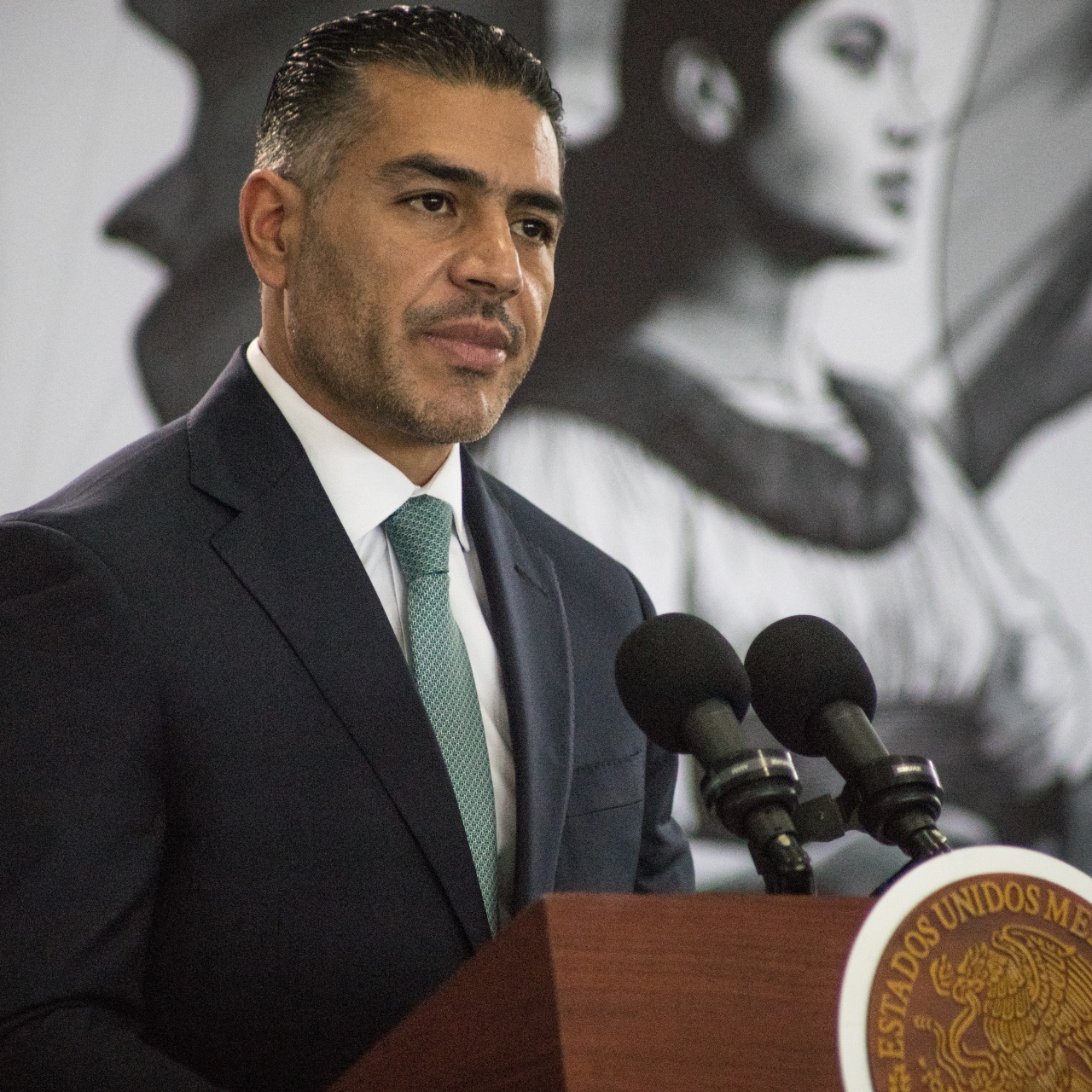
Mexico’s military had accelerated its efforts to gather intelligence on Meza Flores and capture him since the beginning of the year, Defense Minister Gen. Ricardo Trevilla said Monday. The effort intensified three months ago, when the Mexican military began a significant exchange of intelligence with the U.S. government, Trevilla said.
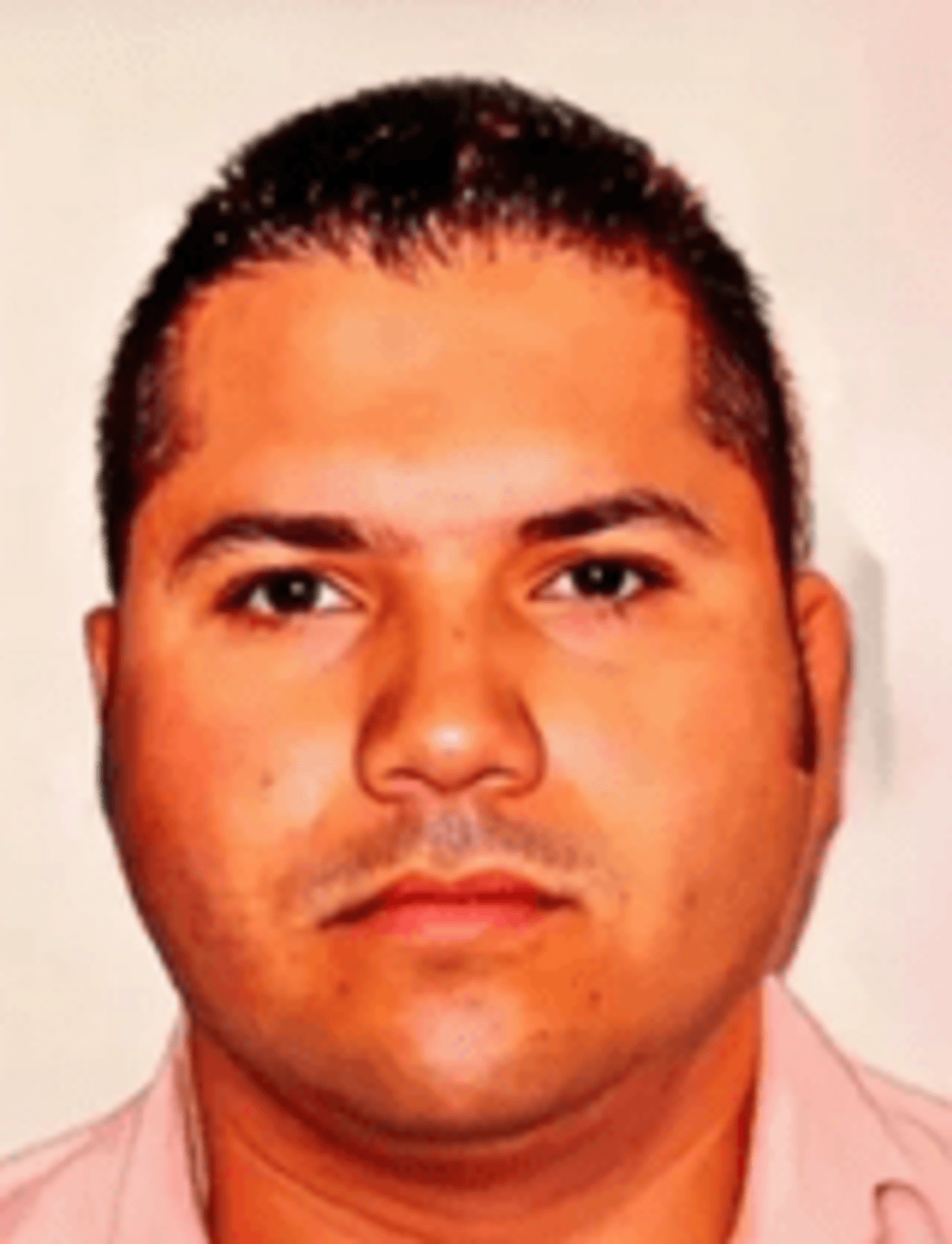
Meza Flores, 44, had led remnants of the Beltrán Leyva faction of the Sinaloa cartel since 2009, Trevilla said. He controlled two key drug-smuggling routes, by land and sea, into the U.S., particularly through Arizona. He was on the Federal Bureau of Investigation’s 10 Most Wanted list, with a $5 million reward for information leading to his arrest or conviction.
In the past two years, the Sinaloa cartel, Mexico’s largest fentanyl producer and smuggler, has been torn apart by a bloody war between its main factions, led by the sons of its founders, Ismael “El Mayo” Zambada and Joaquín “El Chapo” Guzmán. More than 7,000 people have been killed or gone missing in the conflict, which shows no signs of stopping.
Meza Flores had largely kept northern Sinaloa peaceful while expanding his territory and influence. His removal could open a new front in the conflict, as lieutenants fight for control of his organization and rival cartel leaders move to seize its territory, said David Saucedo, a Mexican security consultant.
“There will probably be a war between different factions of the Guasave cartel,” Saucedo said. Meza Flores probably hadn’t made arrangements for a successor, he added.
Trevilla said the operation also captured three of Meza Flores’s top lieutenants, including the group’s second-in-command and its financial and logistics chiefs.
Meza Flores was wanted in Mexico for participating in organized crime and drug trafficking, García Harfuch said. The U.S. wants him extradited for trafficking drugs, particularly fentanyl, he said.
Vanda Felbab-Brown, a security expert at the Brookings Institution who closely tracks Mexico, said the capture of those lieutenants could prove as consequential as the arrest of Meza Flores. The impact will depend on whether they were responsible for running key parts of the criminal enterprise, including its finances and logistics as is believed, or whether they were primarily security personnel, she said.
In parts of northern Mexico, U.S. and Mexican authorities have increasingly focused on dismantling the operational infrastructure of criminal groups, targeting not only local bosses but also financiers, money launderers, logistics operators and security chiefs. That approach has the potential to do more lasting damage, Felbab-Brown said.
Across much of the rest of Mexico, however, security forces continue to rely heavily on capturing high-profile cartel leaders, a strategy that has often led to internal power struggles and new waves of violence without significantly disrupting criminal operations.
“They just find a new boss, a more violent boss, a less competent boss, but one that can keep things ticking along,” Felbab-Brown said.
In Sinaloa’s ongoing turf war, Meza Flores had largely allied himself with the faction known as the Mayitos, led by Ismael “Mayito Flaco” Zambada. Meza Flores drove the rival Chapitos faction out of much of northern Sinaloa, extending his influence to areas just outside the state capital of Culiacán.
His removal could give the Chapitos—run by the sons of “El Chapo” Guzmán, who is imprisoned in the U. S.—an opportunity to reclaim territory or allow other criminal groups to move in. Saucedo said the Guasave organization still has the infrastructure to survive its leader’s capture, including laboratories and networks of political contacts.
Mexican military intelligence located Meza Flores in Guasave, Trevilla said. A week before the operation, Mexico requested U.S. assistance in using drones to pinpoint his whereabouts.
His precise location was established Friday. A strike force of about 371 soldiers and 14 aircraft, including helicopters, gunships and drones, was assembled for the assault, Trevilla said. Some soldiers belonged to an elite special operations army unit known as the Bats, while others were part of a National Guard special operations unit known as the Wolves.
The Mexican military has about 22,000 troops stationed in Sinaloa, making it possible to assemble a large force on short notice, Trevilla said.
A first detachment of special operations soldiers entered the house where Meza Flores was staying at about 8 p.m. Friday.
“Forward, forward,” a soldier shouts in a video as a small group of troops enters a large house, checking rooms. They make a man lie on the floor before bringing out Meza Flores, wearing a black T-shirt.
Meza Flores and his top lieutenants surrendered without a fight. But gunmen rushed to try to rescue him, firing .50-caliber machine guns and Barrett rifles at the helicopters circling overhead. The aircraft returned fire against the gunmen, some of whom were ensconced in homemade armored vehicles reinforced with steel plates known as monsters.
“This operation showed once again the strength of the Mexican state,” Trevilla said, adding that the mission had weakened a criminal organization without harming civilians.
The U.S. contribution was the exchange of intelligence that helped pinpoint Meza Flores’s location, complementing information already gathered by Mexican military intelligence, Trevilla said.
Mexico’s cooperation with the U.S. adhered to the principles of reciprocity and mutual trust governing relations between the two countries, while respecting Mexican sovereignty, he said.
“Coordination without subordination,” Trevilla said. “I appreciate the great support they gave us.”
Write to José de Córdoba at jose.decordoba@wsj.com and Ryan Dubé at ryan.dube@wsj.com


