
 E-Paper



Oct 5, 1789: When women marched on Versailles, confronted the monarchy and changed France
The march became one of the most significant events of the early French Revolution and ultimately led to Versailles ceasing to be the seat of French monarchy.

 Prefer HTon Google


On October 5, 1789, thousands of women gathered in the streets of Paris, angry over the price rise and scarcity of bread. They marched to the Palace of Versailles and, the following day, forced King Louis XVI and his family to leave the palace and return with them to Paris to be closer to the people they governed.

The march became one of the most significant events of the early French Revolution and ultimately led to Versailles ceasing to be the seat of the French monarchy.
It did not abolish the monarchy, as Louis XVI remained king for nearly three more years. But the events that unfolded 237 years ago demonstrated that the king could no longer exercise power independently of the revolution unfolding around him.
Where it all began
King Louis XVI acceded to the French throne on May 10, 1774. However, the royal court under him was becoming increasingly expensive, and the public was becoming increasingly agitated over what it saw as waste. The King, aware of the growing dissent, undertook various reforms, including cutting back on the expenditure of the Kingdom of France, as well as the expenses of members of the royal family.
The many attempts at reform, however necessary, were seen as heavy-handed and failed. Public opinion increasingly associated the economic crisis with the monarchy itself.
Louis XVI then summoned the Estates-General, comprising the clergy, the nobility and the Third Estate, which opened on May 5, 1789, at the Menus-Plaisirs building in Versailles and remained in session until June 17, 1789.
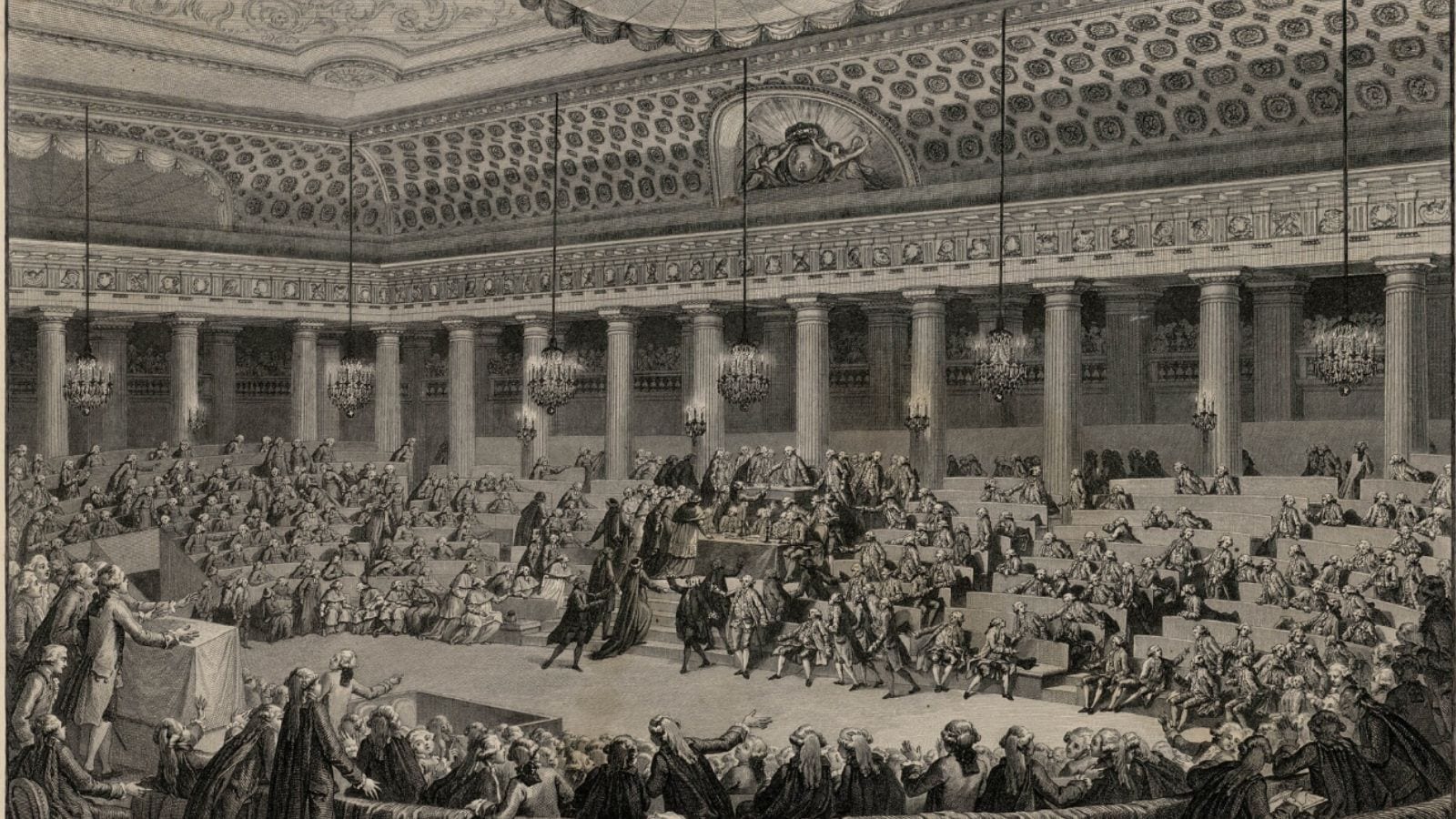
Amid disagreements over representation and voting, the deputies of the Third Estate, along with some members of the nobility and clergy, declared themselves a “National Assembly” on June 17, 1789. They took the Tennis Court Oath on June 20, 1789. The self-declared “National Assembly” was formally renamed the “National Constituent Assembly” on July 9, 1789.
This event is considered to be a major turning point in the French Revolution, as it marked the beginning of the National Assembly's challenge to the authority of the monarchy.
From the Bastille to Versailles
The first blow to Versailles came on July 14, 1789, when the storming of the Bastille in Paris caused panic at Versailles. Senses were on high alert, courtiers started to abandon the palace, even as the King himself seemed in no hurry to leave.

At the same time, on August 4, 1789, the National Constituent Assembly was working on a constitution for the country. It voted to abolish feudal rights and privileges, which became one of the key moments of the French Revolution. On August 26, 1789, it adopted the Declaration of the Rights of Man and of the Citizen.
The final straw and women’s march to Versailles
Amid the ongoing political tension in France, the King and his guards had decided to hold the banquet in honour of the arrival of the Regiment of Flanders, and a sumptuous feast for 210 guests was laid out in the Opera House.
The wine flowed freely, toasts were raised to the royal family, who were cheered upon their arrival. The orchestra played “O Richard, O My King” from the opera “Richard the Lionheart”.
Amid the tense situation outside the palace, many in Paris saw the strong display of loyalty to the monarchy as a provocation, fuelling further anger and outrage.
To Paris! To Paris!
On October 5, 1789, a procession of women marched to Versailles. At the time, the King was hunting at Meudon, while Marie-Antoinette, his wife, was walking on the Trianon estate.
News of the march spread quickly through the town, and the gates of the Palace were shut. The Queen, having been alerted, returned to her apartments, while the King returned to the Palace. He received a delegation of women and made several promises to them.
The women were soon joined by other members of the crowd, putting the safety of the royal family at risk. In the Royal Courtyard, in front of the Palace, the crowd cried, “To Paris! To Paris!”
The situation grew increasingly tense, and the royal family eventually left Versailles for Paris on October 6, 1789. The reunited royal family left Versailles on 6 October 1789.
It is at this point that the Palace of Versailles ceased to be a royal residence. The women’s march went down in history as turning point in the French Revolution, ending Versailles’ centuries-old position.


