
 E-Paper



US Federal Reserve raised interest rate 10 times in a row to combat inflation surge, but has it made any difference?
The Federal Reserve has raised interest rates for the 10th consecutive time in an effort to curb inflation, but experts question its impact on the economy

 Prefer HTon Google


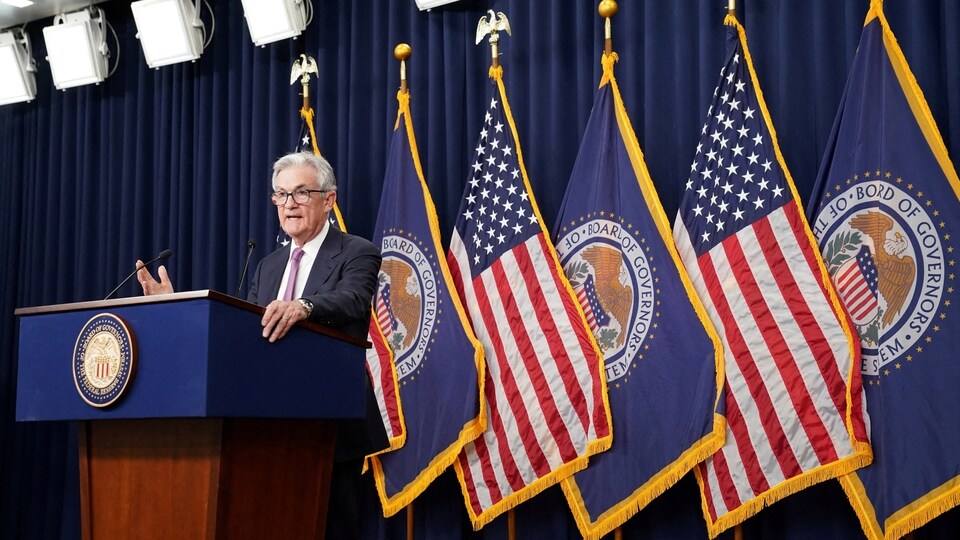
The Federal Reserve's policy-making committee has once again raised interest rates, marking the 10th consecutive hike in their effort to tame the surging inflation that has gripped the nation for over a year. While pundits have long debated the effectiveness of interest rates as an economic tool, the Fed Chairman, Jerome Powell, has acknowledged the limitations of their approach, referring to interest rates as "famously blunt tools."
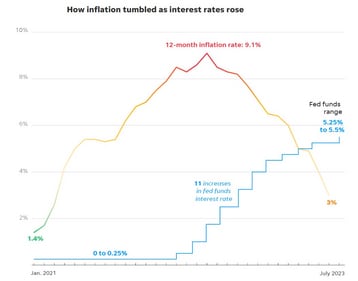
The Fed's rate hike on Wednesday brings the fed funds range to 5.25% to 5.5%, aiming to curb inflation by making borrowing more expensive and slowing down an overheated economy. However, as the campaign continues, experts question how much these rate increases have genuinely impacted the economy and inflation.
Interest Rate-Sensitive Industries React
Industries sensitive to interest rates, such as auto sales and housing, have already shown signs of responding to the rising rates. Home sales have slowed, and experts predict that the full impact of rate changes might not be realized for at least a year due to the "long and variable lag" that typically follows such adjustments.
Joseph LaVorgna, Chief U.S. Economist of SMBC Group and former economic adviser in the Trump administration, suggests that most of the recent economic changes might not be directly linked to the Fed's rate decisions. Powell himself acknowledges that inflation has indeed decreased from its elevated levels, mainly due to the easing of tensions from the Ukraine conflict. However, core inflation, excluding food and energy, remains at 4.8% in June, well above the Fed's target of 2%.
Road Ahead
Federal Reserve Chair Jerome Powell expects inflation to continue its downward trajectory, not reaching the target until 2025. Despite this projection, the Fed remains cautious, closely monitoring jobs reports and inflation data before the next policymaking committee meeting in September, where they will determine their next decision on interest rates. As they navigate the challenging economic landscape, they must determine whether their tools will lead to a soft landing or pose a risk to the economy's stability.


