E-Paper


Hawaii introduced red mangroves in 1902 to stabilize Molokai mudflats; they spread to canals and reduced habitat for endangered waterbirds
In 1902, Hawaii planted red mangroves to protect its shore. Experts say they help hold land but also fill fishponds, block canals, and shrink waterbird habitat.

 Prefer HTon Google


Most of us have probably tried a quick fix at some point that solved one problem but ended up causing another. Hawaii did something like that, but with a tree. A 1998 paper by U.S. Forest Service researcher James Allen explains that red mangroves arrived on the island of Molokai in 1902. They were mainly planted to stabilize coastal mudflats. Hawaii didn’t have mangroves before the early 1900s, so the tree was a newcomer. What followed became a case study of how a well-meaning project can turn into a long-term headache.
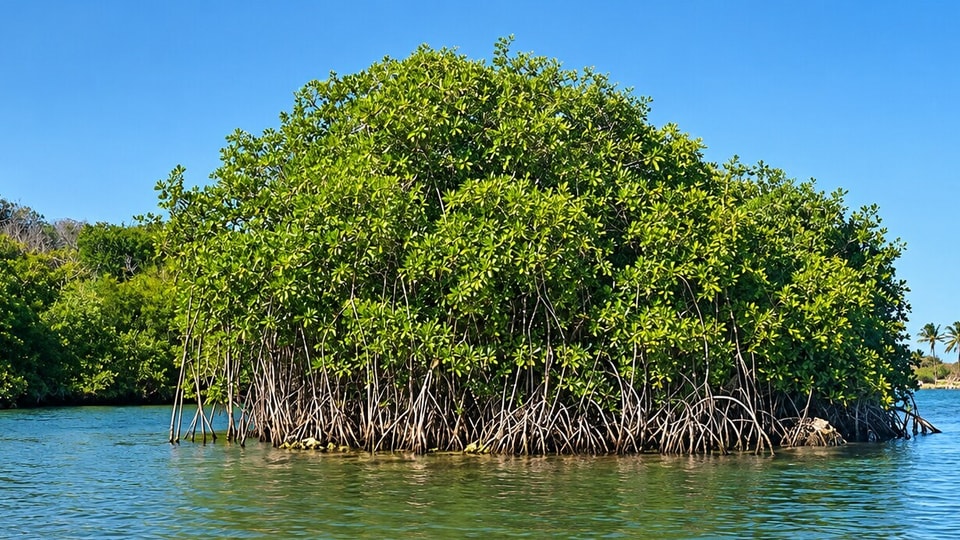
A tree planted to protect the shore
Allen's paper says the first red mangrove plants were shipped from Florida and planted in the mud along the southwest side of Molokai. He quotes one early account that the goal was to stop the soil from washing into the sea by heavy rains. Trees trap sediment, and a 2008 U.S. Geological Survey chapter by Mimi D’Iorio states that mangroves help hold coastal land in place. But they didn’t stay where they were planted. The red mangrove was spreading at a rapid rate. Fifteen years after planting, seedlings had taken root at least 8 kilometers away. By the time of his paper, it had spread to nearly all of the major Hawaiian islands.
Mangroves reached canals and streams
Allen writes that mangroves ended up invading the banks of canals and streams, which have been viewed by people as nuisances. In narrow waterways, the plants can trap large pieces of debris that might otherwise be washed downstream, and this can reduce drainage. Water may then sit still, which can bring bad smells and more mosquitoes.
Allen mentions one case in Kailua, Oahu, where business owners complained about the foul smell coming from the mangroves growing in the stream channel. The state agency removed a small amount of mangroves (less than 0.5 hectares) at a cost of approximately $40,000. Allen sounds a note of caution. While the mangroves might not cause the canals to silt, they do quickly occupy areas where new sediment has been deposited.
Less room for endangered waterbirds
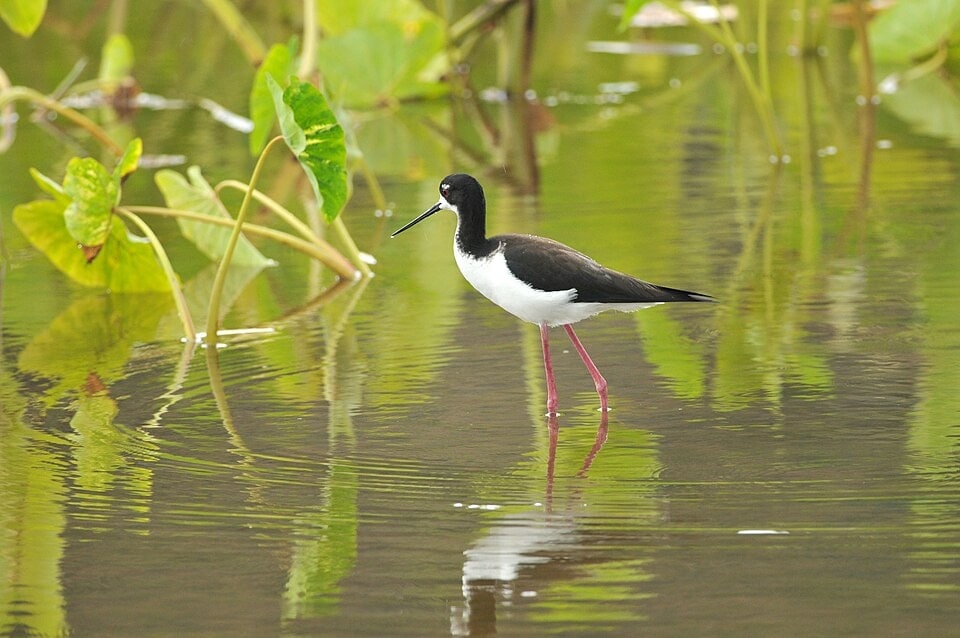
Native waterbirds face a different kind of trouble. Allen notes that there are four endemic waterbirds on the main Hawaiian islands: the Hawaiian duck, coot, stilt and moorhen. All four lost many birds during the 1900s to hunting, habitat loss, introduced predators, and other pressures. The paper stresses that mangroves were not primarily responsible for those drops. But it says the trees may be a big reason why the birds have trouble recovering. None of the four birds feed or nest in mangroves, so the mangrove-covered areas are of no use to them.
The Hawaiian stilt might be the most affected species. Its favorite feeding places are shallow flooded marshes and open tidal flats where mangroves grow easily. Managers often manage pond water levels for the birds, but mangroves also often block drainage outlets. D’Iorio’s chapter agrees that introduced mangroves have contributed to habitat loss for the four waterbirds, including the endangered Hawaiian stilt.
A tree with two sides
The story is not all bad news and both sources agree on that. The USGS chapter describes the impacts of the mangroves on Molokai as both positive and negative. They hold coastal land in place, create new fish and bird habitat, although Allen found that none of the four native waterbirds use it, and slow the flow of sediment onto the reef. At the same time, they also fill old fishponds, creep onto reef flats and beachfront property and shrink wetland habitat that is needed by native waterbirds. Allen also says the trapping of sediment can be seen as a benefit. Both works are older, so the numbers today may differ. But the 1902 planting can be a helpful reminder that introducing a species to a new place can end up setting off changes nobody planned for.