E-Paper


In 1979, John Denver bought 957 acres in Colorado for an environmental dream; after Windstar was sold, 927 acres remained protected from development
John Denver's 1979 Windstar purchase became a conservation story, with 927 of its 957 acres still protected after the 2013 sale of the Colorado land.

 Prefer HTon Google


John Denver gave a new direction to 957 acres of Colorado land when he acquired the Windstar estate in 1979. A 2013 statement from Windstar Land Conservancy and the Rocky Mountain Institute (RMI) says the land had previously been a sheep ranch and later served as a retreat center for St. Benedict's Monastery. Denver, a famous musician and environmentalist, dreamed of creating an environmental research facility on the estate that would also provide housing for its staff.
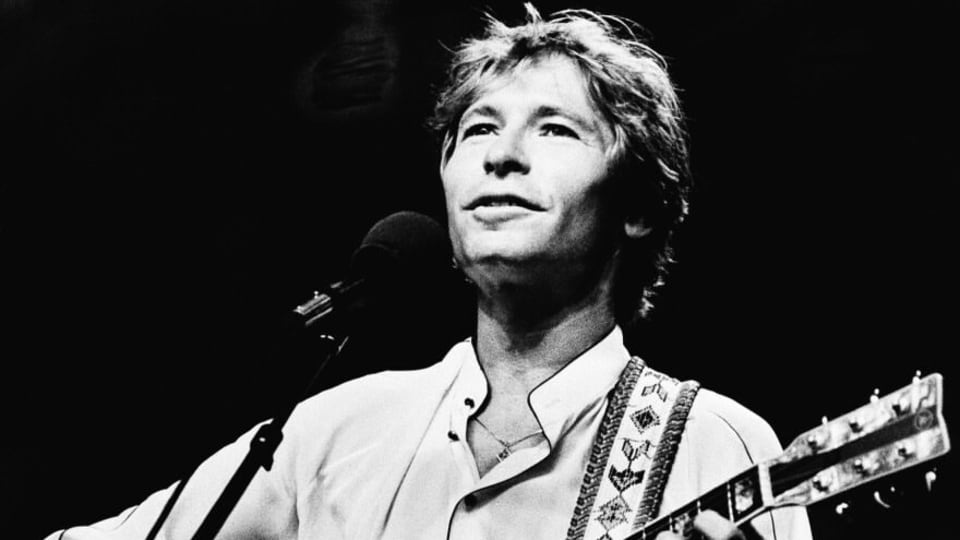
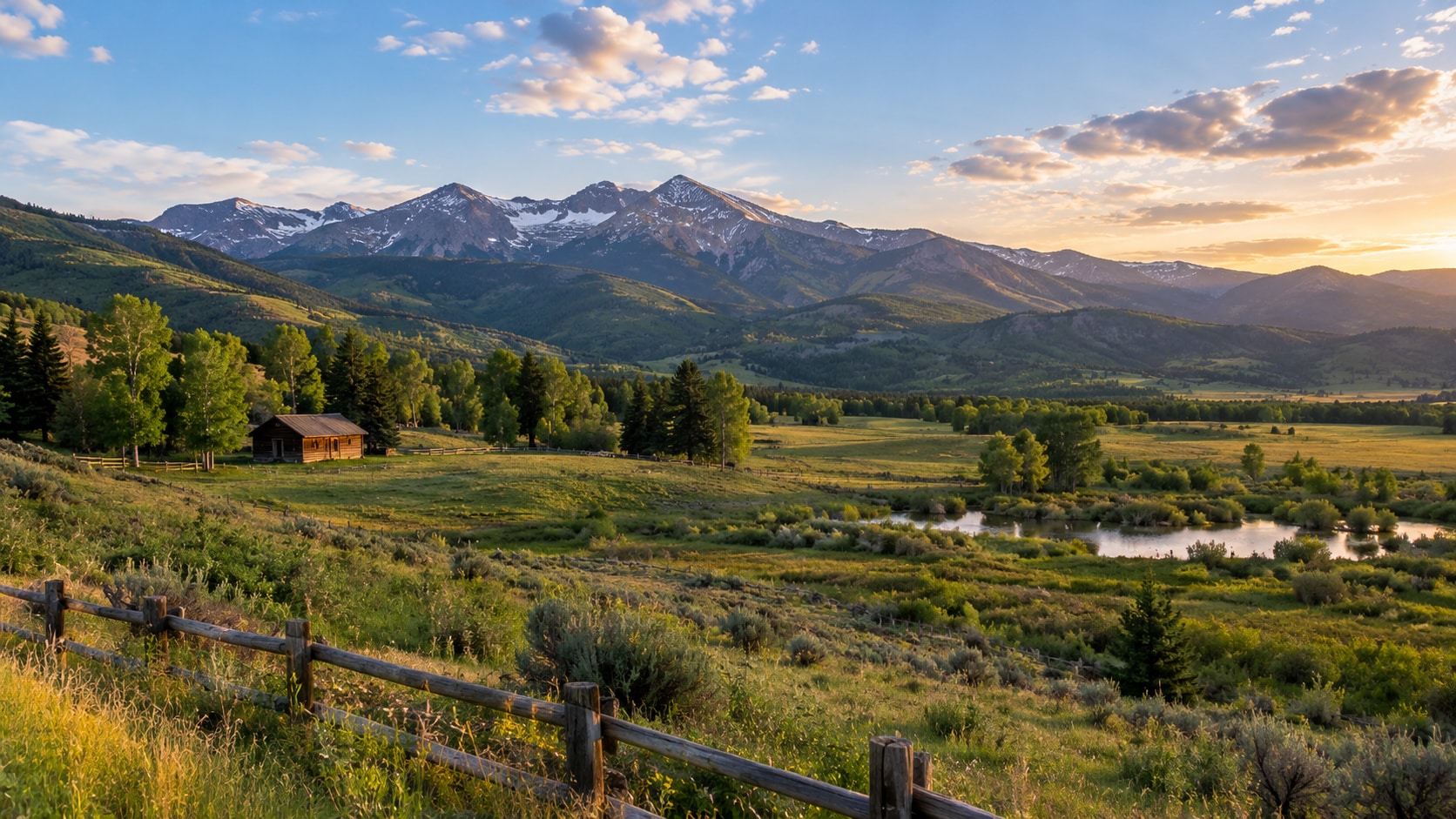
Ultimately, the property was sold, but much of the acreage remained protected from future development. The 2013 announcement notes that a perpetual conservation easement placed on the property in 1996 protects 927 of the 957 acres from development. Aspen Valley Land Trust and Pitkin County Open Space and Trails hold the conservation easement. The property was also described as important wildlife and wetlands habitat, making the preservation of its natural values an important part of the arrangement.
Formation of the conservation agreement
The ownership structure evolved in 1996. RMI's fiscal 2013 Form 990 records that RMI acquired a 50 percent interest in the Windstar property that year, while the Windstar Foundation held the other half. The two organizations then conveyed their interests to Windstar Land Conservancy, a charitable organization established to hold the title. Its board consisted of two representatives from each organization and one at-large director.
Also Read | How India saved its tigers—and lions and rhinos and elephants
The tax filing also documents the conservation arrangement. Windstar Land Conservancy, RMI, and the Windstar Foundation placed an easement on the property to preserve 927 acres of the 957-acre holding in perpetuity. By this stage, Denver's role was part of Windstar's history rather than its ownership structure. His connection to the property began with the 1979 purchase and his plans for an environmental center, while the later conservation arrangement was established through the organizations that held the property in the 1990s. The easement allowed the protected portion to remain subject to conservation restrictions even if ownership changed later.
What happened after Windstar was sold
The property was sold in April 2013. RMI's tax filing says the proceeds were divided equally between RMI and the John Denver Aspenglow Fund at the Aspen Community Foundation, following instructions from former Windstar Foundation directors. The Windstar Foundation had dissolved in 2012.
The sale did not remove the conservation restrictions. The filing records that the permanent easement remained in place after the ownership change, with Pitkin County Open Space and Trails and Aspen Valley Land Trust named as its beneficiaries. Under the sale agreement, RMI was also allowed to continue using office space on the property without rent for two years, a provision that would have run through 2015.
The financial record provides another glimpse into Windstar's place in RMI's work. For the year covered by the filing, RMI reported $54,319 in program expenses for Windstar Land Conservancy. Its Form 990 described the work as managing and protecting the aesthetic, wildlife, and natural values of the 957-acre property in Old Snowmass. That amount formed part of RMI's broader program spending, which totaled about $9.9 million for the year.
Windstar's story ultimately shows how a property's ownership can change while a conservation commitment remains in place. Denver's 1979 purchase gave the Colorado estate an environmental purpose, while the nonprofit ownership structure and 1996 conservation easement established protections that continued beyond his involvement. When the property was sold in 2013, the ownership changed, but the conservation restrictions covering 927 acres remained.