E-Paper


In Sandy Springs, Peggy Miles helped protect her family’s woodland; after her death, her estate transferred two acres to complete Lost Corner Preserve
Peggy Miles worked with conservation groups and local officials to protect her family’s woodland from development. Today, Lost Corner Preserve spans 24 acres.

 Prefer HTon Google


A serene area of woodland in Sandy Springs, Georgia, has become a lasting source of enjoyment for the community through the efforts of one woman who sought to preserve her lifetime home. Margaret “Peggy” Miles was born and raised at the 24-acre family farm where the mature trees and natural habitats were untouched. Rather than allow the land to lose its character to development, she worked with conservation groups to preserve it for future generations.

According to The Trust for Public Land, the concept developed by Miles eventually became Lost Corner Preserve, a community green space that combines natural habitat with a glimpse into the area’s history. Miles passed away in 2008, and the last two acres of her property became the possession of the city in 2012. The case illustrates how private landowners, local organizations, and public agencies can work together to protect open space in growing communities.
A family property with a history of its own
The Miles family purchased the land in the early 20th century, and Peggy Miles spent her entire life there. Her father gave this isolated piece of land the name “Lost Corner” since it would be hard for visitors to find their way through there. However, for Miles, this forest was never strange. She knew all about the vegetation and wildlife present in this area, as she was attached to the landscape which had been part of her family for many years. This area had an extensive history that went far beyond the Miles family itself. This land had existed long before Sandy Springs became what it is today, and there were signs that it had once been settled by humans and used for farming.
Deep Dive

Given the ongoing developments in Sandy Springs, the conservation of the forest became an issue of utmost importance. Miles desired that the land should stay untouched and be available to everyone rather than losing its character due to development. For this purpose, she contacted the Sandy Springs Conservancy, which then contacted the Trust for Public Land to help organize the conservation arrangement and acquisition. The whole process was such that it ensured lifetime access for Miles to the land.
How conservation groups completed the plan
The preservation process involved collaboration between Miles, the conservation groups, and the local government. While the Trust for Public Land assisted in the process, Sandy Springs Conservancy worked to bring together the partners and funding needed to protect the woodland. As a result, 22 acres of the land were designated as the Lost Corner Preserve in 2008, as she had wished before her death. Miles passed away in 2008, but the conservation effort continued. The Trust for Public Land acquired the rest of the two acres from her estate, and in August 2012, the Sandy Springs City Council approved the final step to add those acres to the preserve. It marked the fulfillment of an ongoing plan to conserve the entire 24-acre tract for public use.
Research published in Annual Review of Resource Economics examines the role of land trusts, private landowners, and public policy in protecting privately held land. The research helps explain why collaborations like the one that created Lost Corner Preserve can be important. Conservation may require coordination of property, financing, and stewardship rather than placing all responsibility on a single entity. The practice has been implemented in many different locations in the US. For example, the NICHES Land Trust was presented in 2022 with 400 acres of Lois Farris North Farm, as well as a restoration effort that would preserve and improve wildlife habitat. While the context may be different in each case, these examples illustrate the potential of estate planning to carry forward a landowner’s conservation efforts after their death.
A woodland preserved for future generations
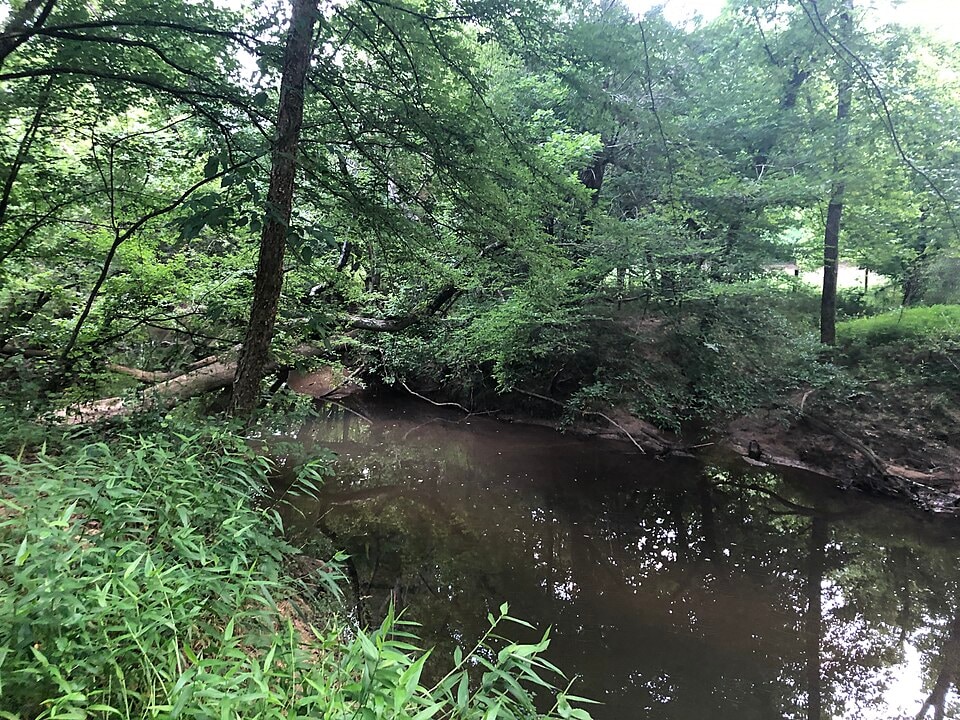
Today, Lost Corner Preserve is a city-owned park at 7300 Brandon Mill Road in Sandy Springs. The total size of the site is 24 acres and consists of forest trails, community gardens, a greenhouse, bee yards, and an old building that has been renovated to be used for community activities. Visitors can take a walk in the landscape, getting acquainted with the history of the area at the same time. Thus, the preserve becomes a place of recreation, education, and history of the neighborhood. Moreover, the value of the property is not limited only to the recreational facilities available on it.
Research in the Journal of the American Planning Association has examined public access to land protected by conservation trusts, highlighting the importance of making preserved spaces available for people to enjoy. Lost Corner integrates the protection of the land with accessibility for members of the community. The preserve officially opened to the public on March 17, 2016, following years of planning and improvements.
Friends of Lost Corner, an all-volunteer nonprofit, now supports stewardship, educational programs, and community engagement in partnership with the city. The legacy of Peggy Miles exists in the landscape itself. In working to conserve the woodlands on behalf of her family and ensuring that those lands will remain preserved for the future, she helped ensure that a piece of land was made available for residents to enjoy the outdoors and learn about the history of the area.