
 E-Paper


What are the new reforms to the foreign service exam? Inside US State Department’s overhaul
The US State Department has implemented major reforms to its FSO exam, emphasizing a merit-based and America First approach, while removing diversity questions.

 Prefer HTon Google


The US State Department has rolled out sweeping reforms to its Foreign Service Officer (FSO) exam and training system. The changes are part of a broader effort by the administration of Donald Trump to reshape US diplomacy around a more “merit-based” and “America First” framework.
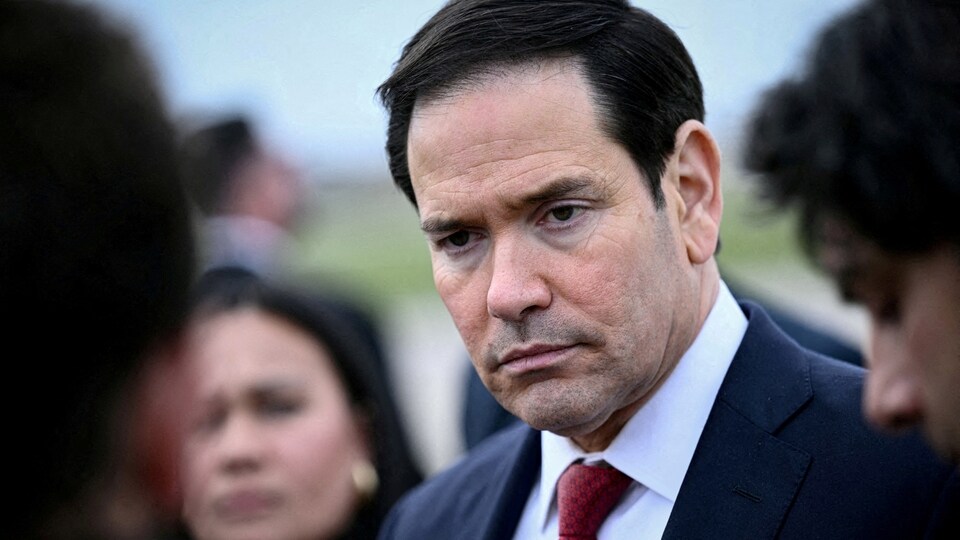
The State Department urged "patriotic Americans" to apply in its announcement of the revisions. The announcement also included a new curriculum for the orientation process for diplomats.
The statement from the State Department said, “Applicants will be tested on American history, foreign policy concepts, and logical reasoning, while questions intended to test alignment with ideological agendas have been eliminated.”
They have also proceeded to remove questions and stop testing applicants on the topic of “the diversity, equity, and inclusion agenda.”
Read more: Pete Hegseth worried about his job after Trump's Pam Bondi call: Report
What are the key reforms?
The overhaul introduces major structural changes to both the Foreign Service exam and the onboarding process for new diplomats.
According to CBS News, the revised exam places greater emphasis on logic, reasoning, and writing skills, while removing components linked to diversity, equity and inclusion (DEI).
According to CNN, the US diplomatic corps has been perceived as being "pale, male, and Yale," referring to a predominantly male, white, and Ivy League-educated population.
After efforts to diversify by the Biden administration, the Trump administration has aggressively targeted purported DEI efforts. Trump issued an order ending DEI programs in the federal government on the very first day of his presidency.
State Department deputy spokesperson Tommy Pigott said, “The Trump administration is modernizing the Foreign Service to prepare America’s diplomats to advocate for our national interest on a dynamically changing world stage.”
The Daily Caller, a conservative publication, reported that the example question on the foreign service exam asked about how many of an applicant's close friends "have a first language other than English" and how frequently they "socialized with members of different ethnic and cultural groups" or "seek out activities with diverse ethnic and cultural groups."
Read more: What is going on at the White House? Security meeting underway
“America First” or “administration-specific agenda”
The reforms go beyond the exam itself, extending into the A-100 training programme, the entry-level course for new Foreign Service officers.
Under the new framework, trainees will receive lectures on “America First” foreign policy alongside traditional diplomatic subjects such as negotiation, public speaking and international relations theory.
The curriculum will include readings from US founding figures like George Washington and John Quincy Adams, taking a shift toward a more nationalist approach to diplomacy.
John Dinkelman, the president of the American Foreign Service Association (AFSA), noted that there is very little teaching material about bureaucratic tedium.
He emphasizes the importance of these bureaucratic lessons to properly prepare employees who have never previously worked for the State Department or possibly even the US government
Dinkelman further said, “It is not normal to inject what are so blatantly administration-specific agenda items into orientation.”


