E-Paper



Why Apple was spending $35 million every year flying engineers to China
Apple used to book 50 business-class seats daily between San Francisco and Shanghai’s Pudong airport.

 Prefer HTon Google


Apple was spending millions of dollars every year just to fly its people to China. Before the COVID-19 pandemic, the company sent hundreds of US engineers there each month to work with the contract manufacturers that built most of its products.
An excerpt from Dan Wang’s book Breakneck, shared by pre-seed investor Rahul Mathur on X, details the scale of Apple’s travel between California and China.
Read the excerpt here:
“It wasn't simply Apple dreaming up new ideas for its manufacturers to execute. Rather, it was a collaborative process between Cuper- tino and Shenzhen. "[Apple products are] not designed and sent over. That sounds like there's no interaction," Apple CEO Tim Cook once told an interviewer. The idea of having something designed in California and manufactured elsewhere "requires a kind of hand-in-glove partnership." In 2019, United Airlines made a promotional banner about how valuable Apple was to its business. United wrote that Apple booked fifty business-class seats daily from San Francisco to Shanghai, from which the airline made $35 million each year. That's over eighteen thousand business-class seats on one route.”
Apple had sent hundreds of US engineers to China each month before the pandemic to oversee the contract manufacturers that built most of its products, an earlier report from The Wall Street Journal read.
Also Read: Apple now makes about 25% of iPhones in India after China pivot
50 business-class seats every day
Apple used to book 50 business-class seats daily between San Francisco and Shanghai’s Pudong airport. Posters from United Airlines that circulated in
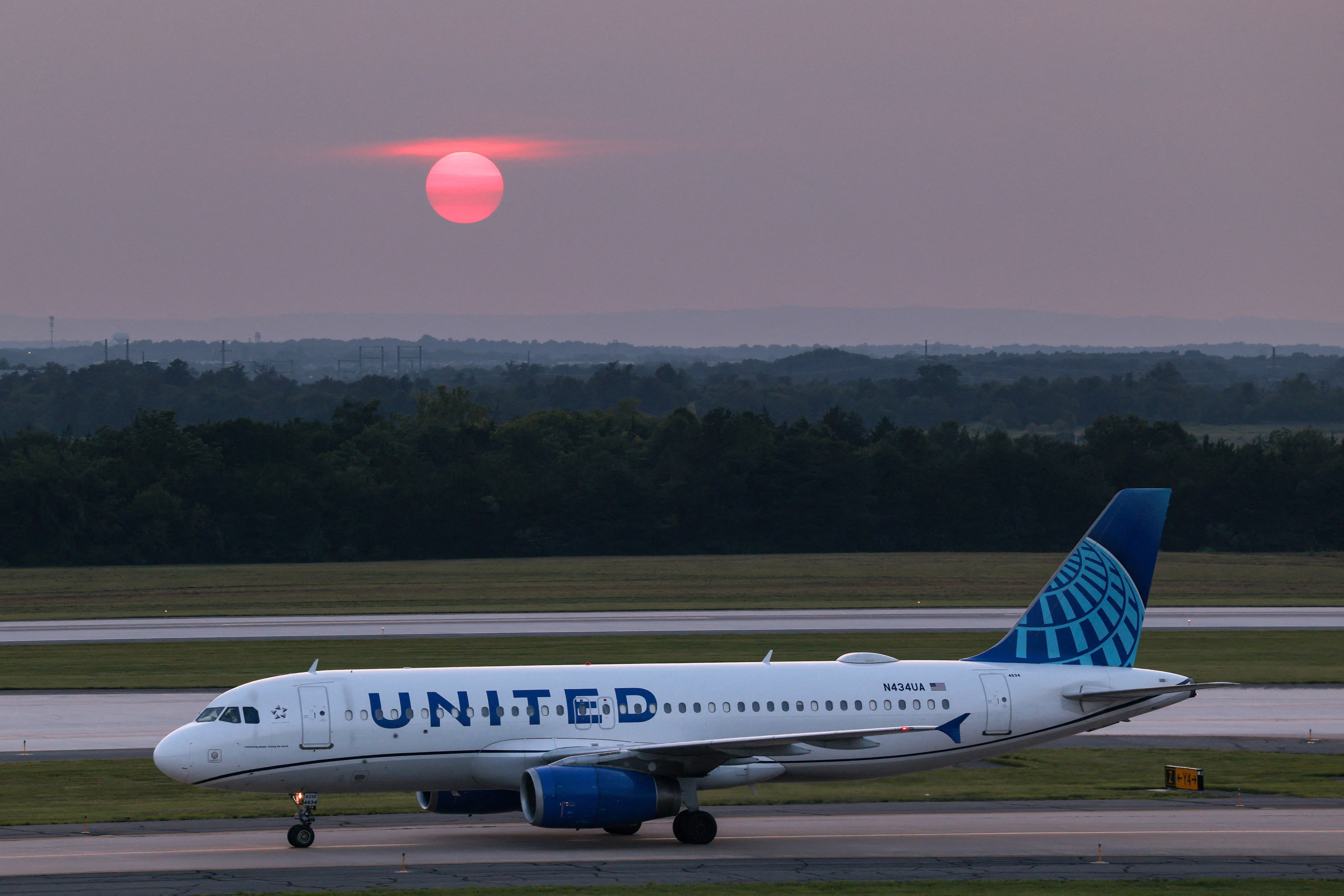
2019 showed the figure, which was confirmed by the carrier at the time. The route accounted for $35 million of United’s annual revenue, the report said.
Additionally, Mathur said the teams travelling from Cupertino to China included process engineers, designers, operations managers and reliability engineers, who worked on-site to help ramp up production of various Apple devices.
What changed after COVID
After COVID-19 broke out, Apple gave up sending large numbers of engineers to China. Most US-based Apple engineers were shut out of China for two years because of strict border controls.
Apple increasingly relied on engineers based in China, who took on greater responsibility for keeping production going. The company also adopted technology to allow teams in Cupertino to remotely follow what was happening on factory floors, including video calls, iPads and augmented-reality tools, the report further added.
Apple was United’s largest corporate account in 2019, with the company spending around $150 million a year with the airline, according to Mathur.
Mathur said Apple began its manufacturing efforts in China in 1997, when Steve Jobs returned to power. He also said Apple’s peak capital expenditure in China was around $55 billion a year.
The scale of Apple’s manufacturing network in China was huge. Around 1.4 million people were employed on production lines by Apple’s manufacturing partners such as Foxconn, Mathur said in an X post.
India, a bigger manufacturing hub
Apple’s manufacturing base has expanded in India in recent years. The company assembled about 55 million iPhones in India in 2025, up from 36 million a year earlier, with India accounting for about a quarter of its global iPhone production, Bloomberg reported.
Apple still makes the bulk of its iPhones in China, but it has been expanding production in India as it looks to diversify its supply chain. Tariffs and trade tensions between the US and China have also pushed Apple and its suppliers to move a greater share of devices meant for the US market to India, the report added.