E-Paper



MP Vyapam scam: Damor was strangled, but CBI can’t find proof, says expert
Even as the CBI is likely to file a closure report in the death of medical student Namrata Damor, whose body was found near rail tracks in Ujjain district in 2012 after her name figured in the Vyapam scam, forensic expert Dr BB Purohit said a three-member team of medical experts from Delhi had supported his report that the 19-year-old died of ‘a violent asphyxiation.’

 Prefer HTon Google


Even as the Central Bureau of Investigation (CBI) is likely to file a closure report in the death of medical student Namrata Damor, whose body was found near rail tracks in Ujjain district in 2012 after her name figured in the Vyapam scam, forensic expert Dr BB Purohit said a three-member team of medical experts from Delhi had supported his report that the 19-year-old died of ‘a violent asphyxiation.’

Purohit, who was part of the three-member panel of doctors that conducted post-mortem on Damor, claimed “the CBI has failed to gather proper evidence in the case.”
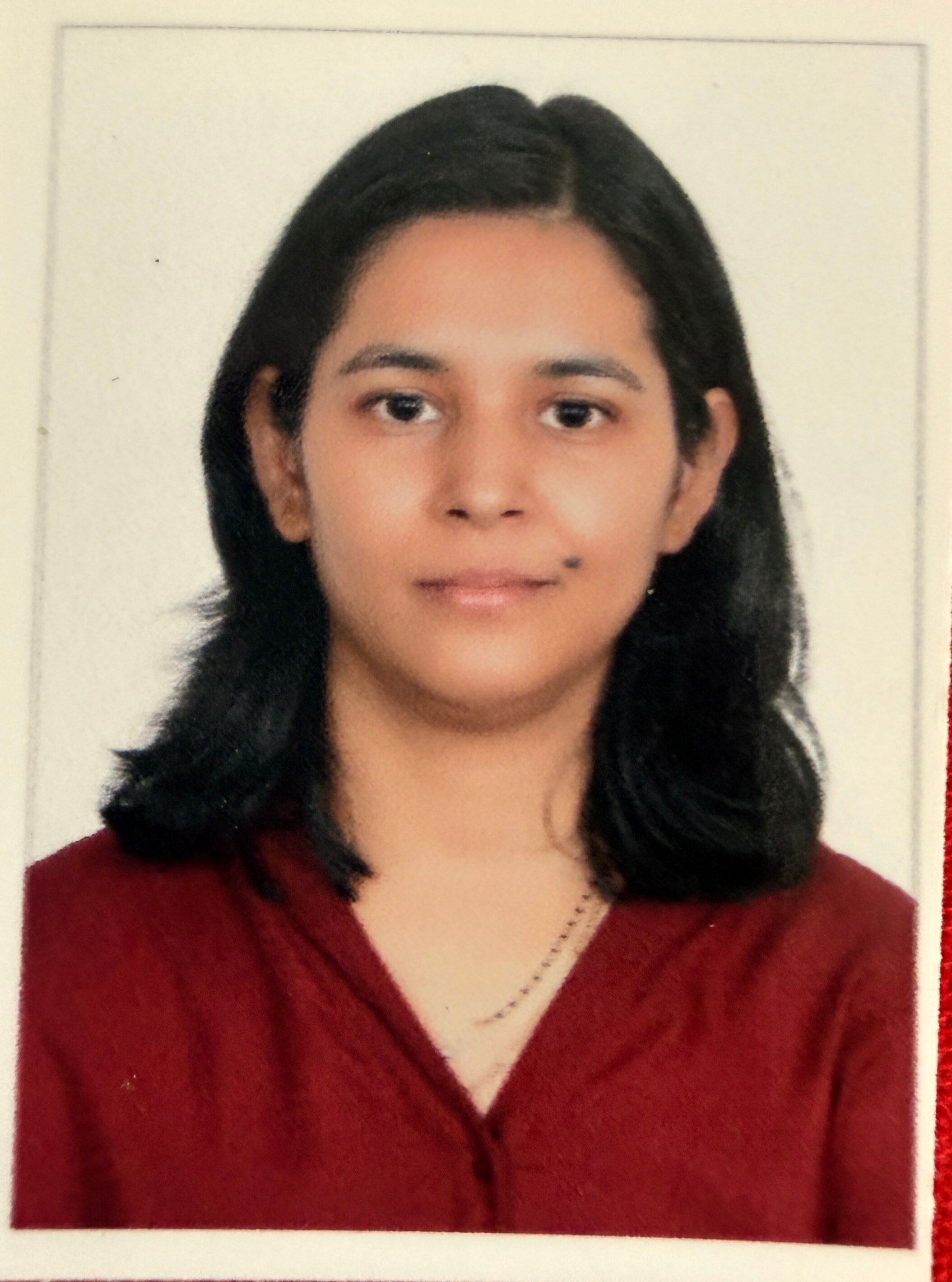
Namrata Damor, a MBBS student of Indore’s MGM Medical College who was found dead on January 7, 2012 under mysterious conditions, was suspected to have got admission to the college through the multi-layered cash-for-seat scam.
“Damor was strangulated to death…(it was a case of) violent asphyxiation. The CBI asked me to submit my report to it on the murder case. I have again submitted the same report. Even experts from Delhi’s AIIMS, Ram Manohar Lohia Hospital and Safdarjung Hospital agreed upon my report. They have given the same opinion to the CBI,” Purohit said.
“Investigation is the CBI’s job and if they couldn’t find any proof that would not change the medical fact,” he said.
According to sources, the CBI team probing 15 death cases out of 40 linked to Vyapam scam has not found anything suspicious in the investigation of all the cases, including Namrat Damor and journalist Akshay Singh’s death.
While the top investigating body has filed closure report in four such cases, the team has sent 10 more cases to its headquarters in Delhi for filing closure report. Sources told HT that the CBI team did not find any proof to establish that Damor was murdered.
Earlier, medico-legal department head Dr DS Badkur had maintained Damor died due to an accident after analysing the post-mortem report.
A CBI source told HT that the difference of opinions among doctors contributed to the confusion in the case and the CBI was likely to set up a medical board to resolve contradictory forensic findings.
Namrata was depressed: eyewitness
Eyewitness Shradha Keswani, who was travelling with Damor in the train before she was found dead, had told CBI that Damor was under depression. She had boarded the train without any warm clothes and handbag and was clueless about where to go. The CBI is likely to send a team to Kerala to talk with national football players, who were travelling in the same bogey of the train, to gather more information in the case.