
 E-Paper



Report: Art & Bali 2026
At an event that is an ongoing part of the annual international art fair in Bali’s Nuanu Creative City, 26 designers and makers from Indonesia and India are bringing the two countries’ artistic traditions into conversation


Bali has long held the image of a tourist hub — pristine beaches, experiences in nature, wholesome hospitality. But the island has also been a hub of Indonesian craft and culture. With artisan communities whose traditions go back centuries, the place has told stories through fabric, ritual masks, sculptures and art, chronicling life and history from the 13th-century Majapahit Kingdom to the colonial era, when communal village councils (banjars) helped preserve deep-rooted traditions and arts amid Dutch rule. This was especially so in the aftermath of the 1906 puputan, when Balinese royalty and their followers resisted colonial conquest.
Today, as Bali attracts global attention, its arts scene is also gaining visibility. With expats and international artists seeking creative refuge on the island, and local artisans expressing their cultural heritage through contemporary methods, Bali has become a major creative hub. Places like Nuanu Creative City also offer spaces and platforms for art to be showcased to visitors from around the world.
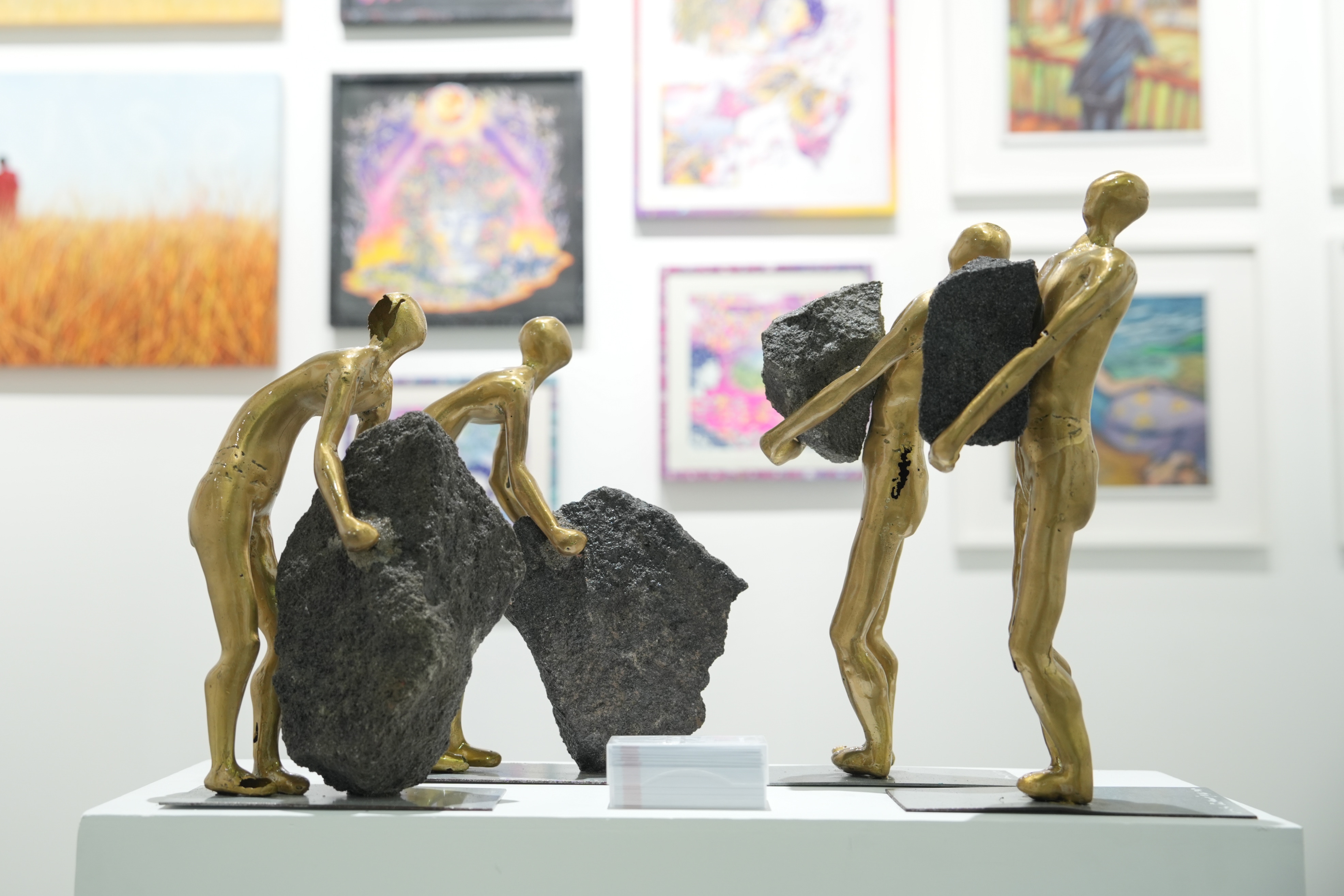
Spread across 44 hectares in south-western Bali’s Tabanan regency, Nuanu Creative City is an integrated development with dedicated spaces for art & culture, education, wellness and entertainment. It is also home to Art & Bali, an annual international art fair that brings together galleries, artists and designers from Indonesia and beyond.
The ampersand in Art & Bali reflects the fair’s larger philosophy of bridging dichotomies and bringing together seemingly opposite ideas, practices and perspectives. Building on the success of the inaugural 2025 edition, this year’s event, held from September 11 to 13, brought together 23 galleries and over 300 artists. Here, the intersections of tradition and modernity, craft and commerce, and nature and technology were explored through gallery presentations, installations, performances and public programmes.
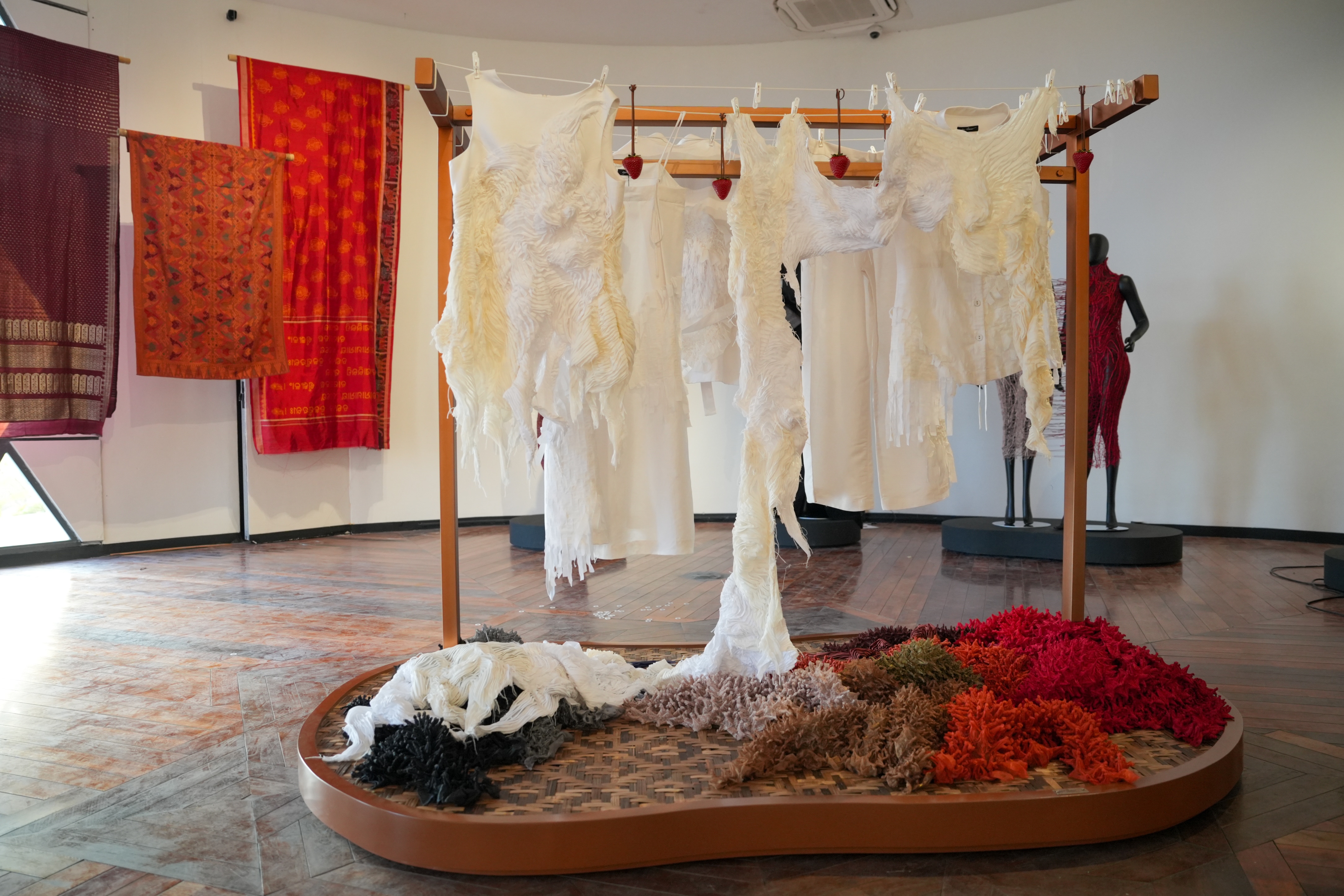
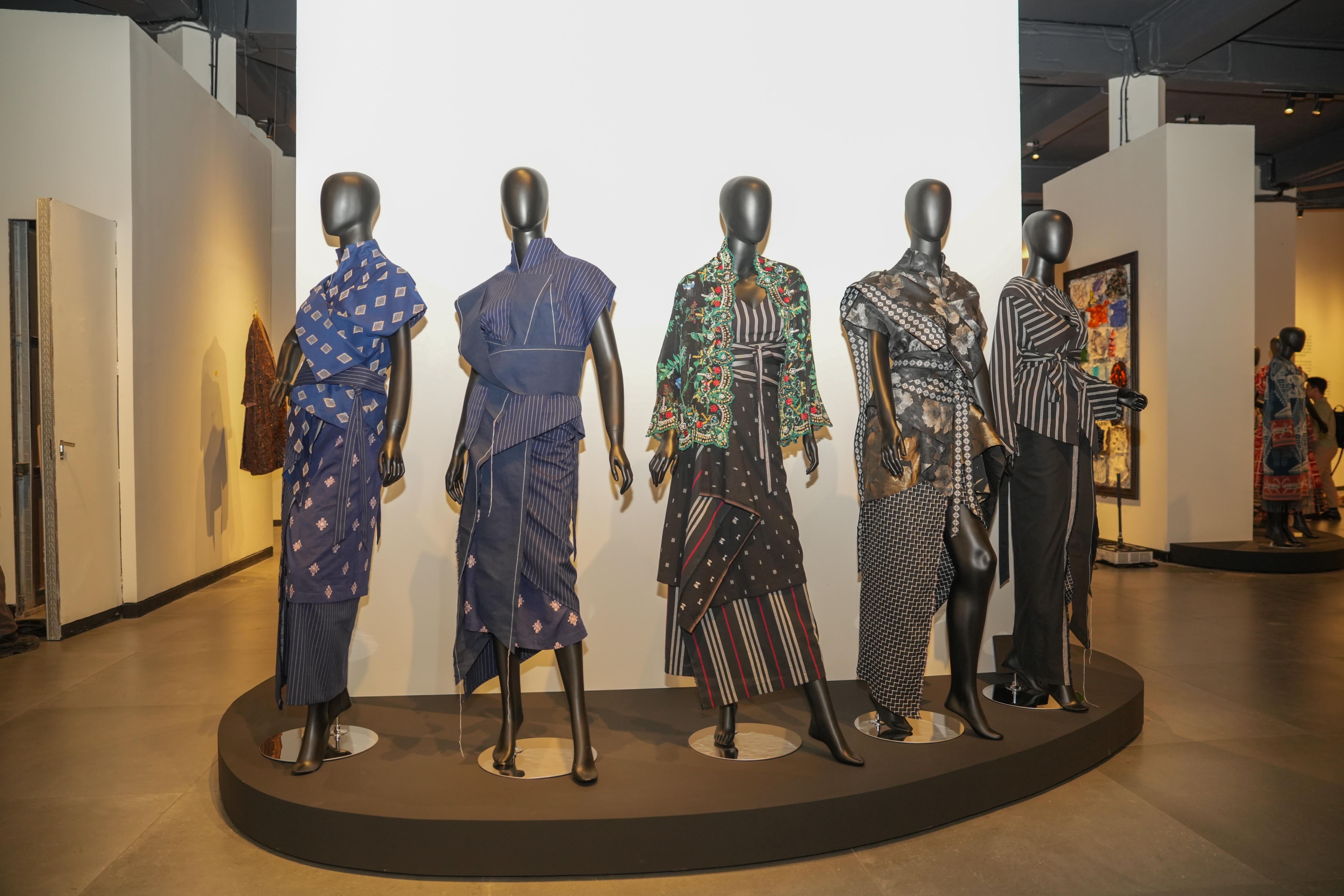
At the heart of this year’s fair was the flagship exhibition, What The Body Remembers. On display at the Labyrinth Dome until November 29, 2026, it brings together 26 designers and makers from Indonesia and India around the shared premise that technique and process are forms of memory, and that an artist’s hands know things before language does.
Speaking about the historical and cultural ties between India and Indonesia, Kelsang Dolma, founding director of Art & Bali, says that as the team explored how Balinese heritage intersects with the wider world, India emerged as a natural point of connection. Centuries of shared history, shaped by cultural exchange between kingdoms and the spread of Hinduism, offered a starting point for bringing the two countries’ artistic traditions into conversation.
Curated by Bandana Tewari, former Fashion Features Director and Editor-at-Large for Vogue India, alongside Brina Paska, What The Body Remembers traces these connections through fabric, dye, weaves and other techniques — examining how they evolved through centuries of trade, migration, religion and were adapted by different communities. Tewari sought to challenge the idea that traditions belong to a single country, highlighting how craft carries not only memory but also evidence of exchange.
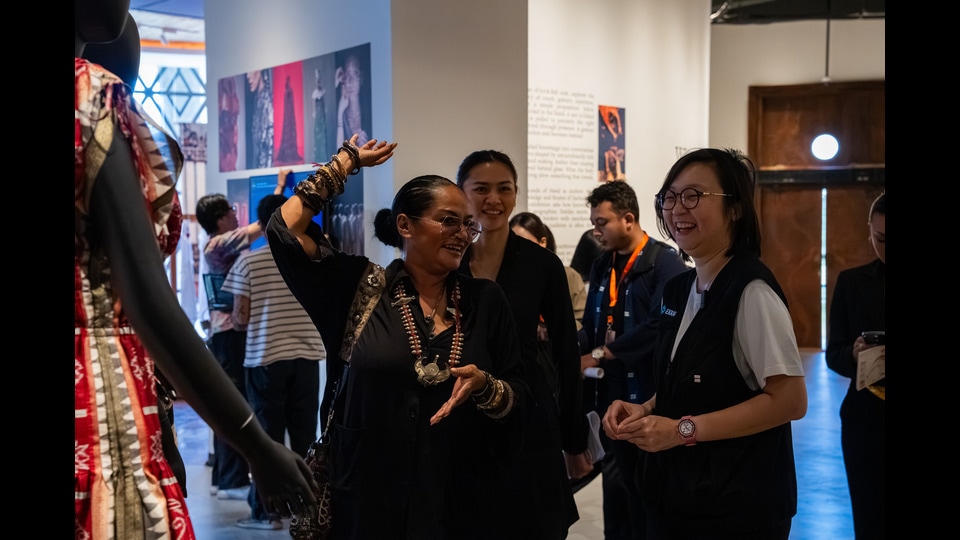
This becomes visible in the exhibition’s installations. In one such installation, Indian Ikat, including Gujarati patola, is displayed alongside Sumba ikat from Indonesia. During a curatorial tour, Tewari points to her family heirloom saree on display, drawing attention to similarities in the weaving processes while distinguishing the Sumba tradition through its motifs, visual style and materials.
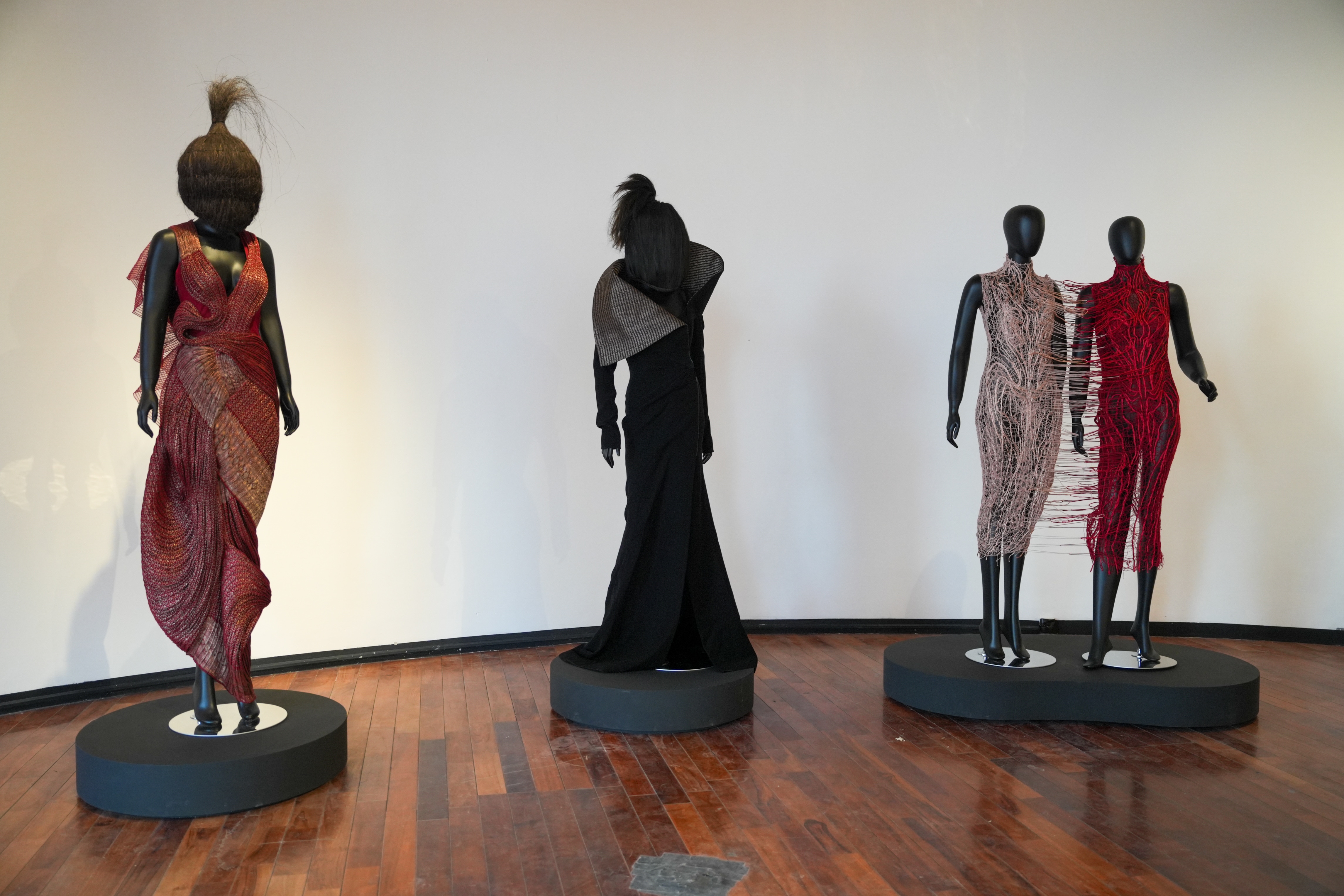
The coming together of Indonesian and Indian designers was central to the exhibition. Indonesian names such as Tex Saverio, TOTON The Label, Lulu Lutfi Labibi, A. Sebastianus and Cinta Bumi Artisans shared space with well-known Indian names and labels like Gaurav Gupta, Bibhu Mohapatra and Raw Mango. Their practices span couture, textiles and artisanal traditions, bringing different approaches to craft and artistry into a shared space.
Among the highlights was a capsule Ikat collection by Bibhu Mohapatra, which brought together artisans from Sumba in Indonesia and Odisha in India. This collaboration offered a tangible example of the exhibition’s larger idea. Also on display were recognisable looks by Gaurav Gupta, including the Shiv Shakti, a critically acclaimed couture ensemble from his Paris Couture Spring/Summer 2026 collection titled Divine Androgyne. Featuring his newly developed embroidered filament technique, the ensemble uses thousands of fine threads structured by hand into a “living lace”. This construction not only represents the Ardhanarishvara — the half-male, half-female embodiment of Lord Shiva and Goddess Parvati — it also traces neural pathways, energy points and chakras, visualising the invisible connections between human beings.
Beyond temporary exhibitions and events, art is woven into Nuanu’s landscape. Its grounds are home to large-scale sculptures, architectural installations and multimedia experiences that remain operational and on display through the year.
Among its most recognisable landmarks are the Earth Sentinels, a pair of multimedia humanoid sculptures by South African artist Daniel Popper. Situated at Popper’s Triangle, the figures have become a defining feature of Nuanu’s landscape and identity. THK Tower, another notable installation at Nuanu, designed by French architect Arthur Mamou-Mani, was inspired by the Tri Hita Karana, the Balinese philosophy of harmony between humans, nature and the divine. The structure uses reclaimed timber and a rattan exterior. After dark, light shows add another dimension to the installations, bringing their interplay of art, architecture and local philosophy into focus.
At Aurora Media Park, eight such interactive multimedia installations are spread across a landscape of bamboo groves and tropical vegetation. With interactive light and sound elements, they offer visitors a unique way of experiencing Bali through art and technology. As art spaces and international collaborations become part of the island’s cultural landscape, its artistic identity is no longer confined to its traditional forms or to the galleries that display them. It is increasingly part of how the island presents itself to the world.
As Bali continues to attract international artists, designers and collectors, initiatives like these could help establish it as an important destination on the global contemporary art calendar — one that draws visitors not only to its rice terraces and beaches but also to the ideas and craftsmanship taking shape there.
Rutvik Bhandari is an independent writer. He lives in Pune. You can find him talking about books on Instagram and YouTube (@themindlessmess).


