E-Paper



At Narmada Jayanti fest, an effort to showcase ink between tribals and Lord Ram
Three Ramleela scripts were readied last year by Madhya Pradesh’s culture department but the plan hit a hurdle due to Covid restrictions.

 Prefer HTon Google


BHOPAL: Madhya Pradesh’s Narmada festival will showcase the unique link between Lord Ram and tribals during ‘Nirjharni Mahotsav’ being organised in 11 districts starting Tuesday, a senior official said.
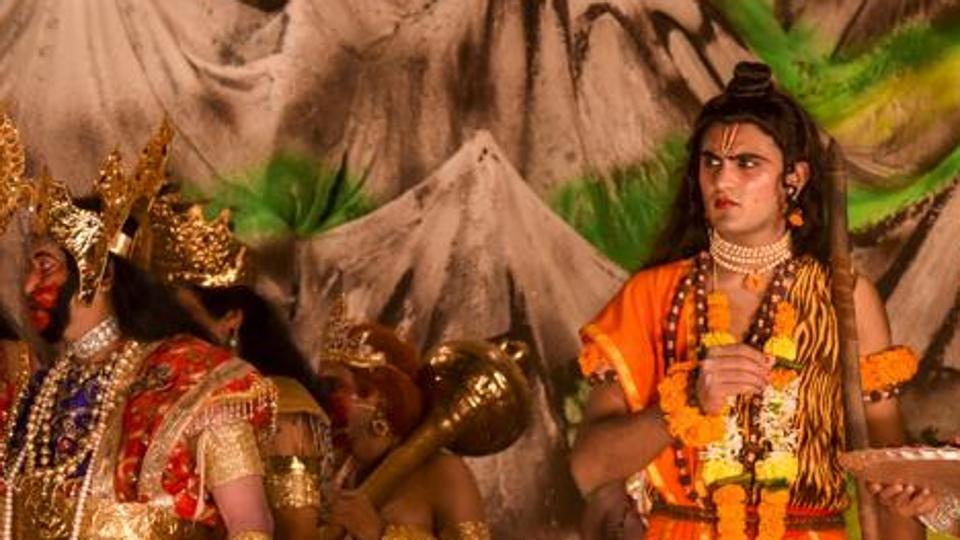
“There will be different dance forms of Gond and Baiga tribe, spiritual music event and Awadhi music programmes during the festival. Exhibition of tribal paintings based on Narmada tales, concentrated picture exhibition centred on forest-dwelling characters described in Ramayana will also be screened,” said Sheo Shekhar Shukla, principal secretary, culture and tourism department.
Also as part of the festival, MP’s culture department has organised a play on tribal sadhvi Shabri and tribal king Nishadraj, who helped Lord Ram during the 14-year-long exile according to Hindu epic Ramayana.
Yogesh Tripathi, a scriptwriter appointed by the culture department to research on their rule and prepared scripts of Ramleela for tribals, said: “I am excited because this is for the first time we are going to highlight the connection between Lord Ram and tribal. It is about how Lord Ram got inspiration from tribal.”
Three Ramleela scripts that Tripathi wrote were to be used for Ramleela last year but the plan hit a hurdle due to Covid restrictions.
Tribal activists said the Bharatiya Janata Party government was using the Narmada festival to push its own political agenda.
“Narmada river is undoubtedly the most important way of earning livelihood for tribal of MP but tribal history has no view about Narmada as a mother, a spiritual aspect… the way, the state government tries to instil a feeling that Narmada is mother, they are now pushing the agenda of Lord Ram. Why the state government is presenting drama, films and photo exhibitions related to Ramayana on Narmada Jayanti. They should more focus on organizing the programmes to reduce pollution in the river and to revive the flora and fauna of the river,” said Naresh Biswa, an activist, who is working with tribals in Dindor, Mandla and Anuppur for many years.
Another tribal culture expert, Vikram Acchaliya said, “The state government was waiting for the occasion to come up with Ram Leelas for the past one year and finally they found an occasion. We just want that the state government shouldn’t make effort to spoil the culture of tribals and to create a new history of the tribal. Initially, they are connecting only Lord Ram and later they will start connecting all the mythological characters with tribal to prove them as Hindus.”
Opposition leaders also attacked the state government.
MP Congress spokesperson JP Dhanopia said there were many real issues at hand but the government was only trying to push its agenda. “The BJP-led state government has no real concern for Maa Narmada. Illegal sand mining is taking place in MP and the state government is patronising it. The water level of the Narmada river is decreasing due to illegal activities being conducted on the bank of the river but instead of analyzing the problems and coming up with solutions, the government is busy pushing its agenda.”