
 E-Paper



Kinnaur traders seek IGST exemption for Shipki La trade
Association president Hishey Negi said that trade through Shipki La is not comparable with conventional commercial imports conducted through established ports

 Prefer HTon Google


The Kinnaur Indo-China Trade Association via Shipki La has urged the Centre and the GST Council to consider the long-pending issue of IGST exemption on traditional Indo-China trade in the forthcoming 57th GST Council meeting, on October 7 in New Delhi.
Association president Hishey Negi said that trade through Shipki La is not comparable with conventional commercial imports conducted through established ports. “It is a traditional border trade system with a distinct historical, geographical and economic character, which has traditionally involved barter and exchange of goods rather than conventional commercial transactions involving regular international payment mechanisms,” he said.
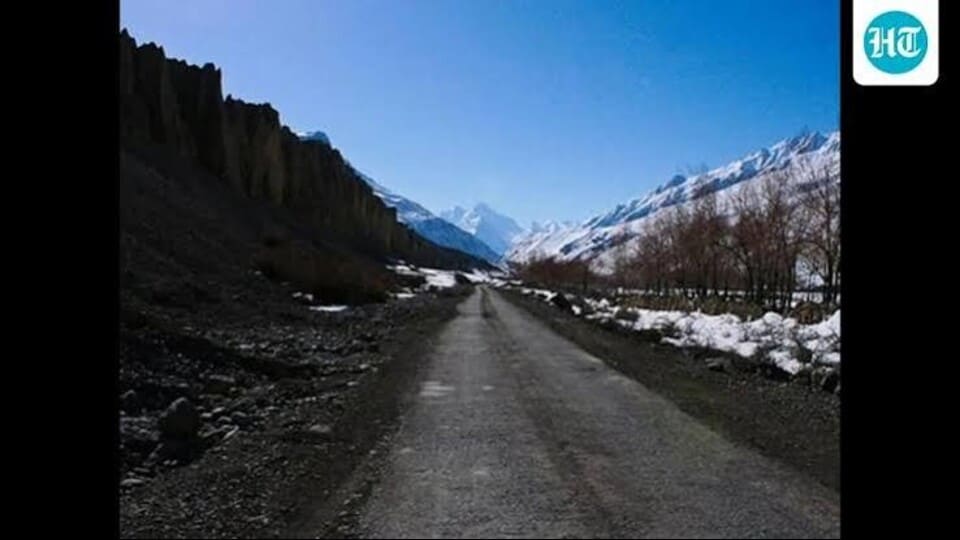
He said the exceptional geographical conditions of Shipki La require special consideration. “The trading route is located in extremely high-altitude and difficult terrain, with severe climatic conditions and a short trading season. Even today, traders continue to depend substantially on mules and traditional modes of transportation for movement of goods,” he said.
The association pointed out that the permissible import list remains limited, while several items are practically difficult or impossible to import because of the absence of an adequate quarantine centre and related inspection infrastructure at Shipki La.
“Therefore, there is a substantial difference between what may technically be included in an import list and what is actually viable for transportation and trade under the prevailing geographical and infrastructural conditions,” Negi said.
The association has requested the Centre to examine the IGST issue in the context of the historical customs framework governing Shipki La trade, including the notification dated July 23, 1996, along with subsequent changes following the introduction of GST.


