
 E-Paper



Ludhiana: Councillor questions ₹84-crore mechanical road sweeping tender
Raising the objections before the director, local bodies, Bhatti presented a detailed cost calculation and questioned the basis of the tender, including the proposed coverage of roads, the purchase of expensive machinery and the provision for washing roads with water


Questioning the need for a proposed ₹84-crore mechanical road sweeping tender, Municipal Corporation (MC) councillor and Finance and Contract Committee (F&CC) member Gaurav Bhatti has claimed that the entire work could be executed for just ₹4 crore to ₹4.5 crore by utilising the civic body’s existing machinery and hiring a few additional machines.
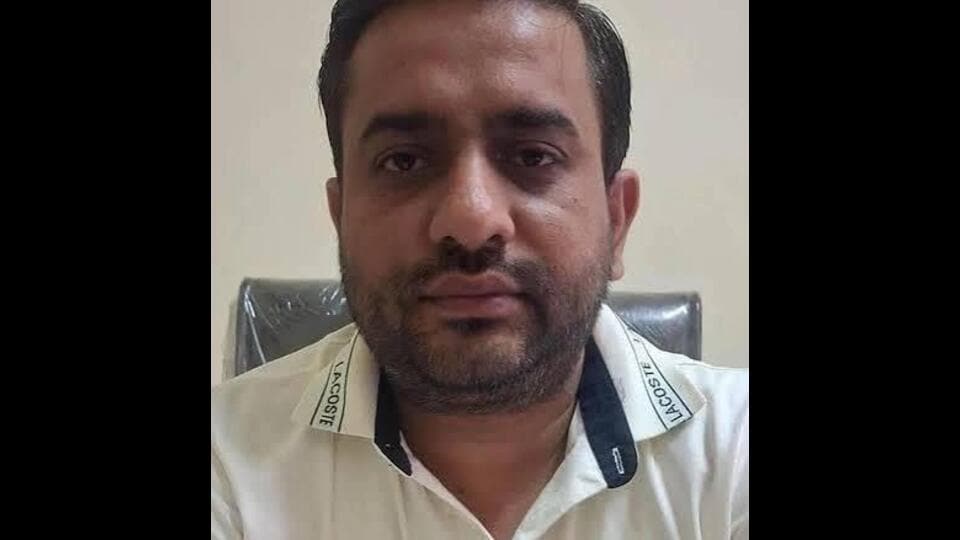
Raising the objections before the director, local bodies, Bhatti presented a detailed cost calculation and questioned the basis of the tender, including the proposed coverage of roads, the purchase of expensive machinery and the provision for washing roads with water.
The meeting was attended by Local Bodies director Harsuhinder Pal Singh Brar, Ludhiana Municipal Corporation commissioner Damanjit Singh Mann, joint commissioner Tapin Bhanot, chief engineer Ravinder Garg and several other officials.
The meeting was initially convened by the director, local bodies, and subsequently by local bodies secretary Ghanshyam Thori, who also called a meeting in Ludhiana on the issue.
Bhatti said the MC already had nine mechanical sweeping machines, each costing around ₹11,000 per day to operate. Citing the contractor’s work in Jalandhar, where a single machine reportedly covers 30-40 km a day, he argued that Ludhiana’s existing fleet could cover 270 km daily if each machine was utilised to its full potential of 30 km.
He claimed that approximately 155 km of the remaining 310 km fell under the National Highways Authority of India (NHAI), questioning why the MC was including this stretch in its tender without obtaining an NOC from the highway authority.
For the remaining 155 km, Bhatti said, only five additional machines would be required. At an estimated monthly operating cost of ₹1.10 lakh per machine, the five machines would cost ₹5.50 lakh a month, ₹66 lakh annually and ₹1.98 crore over three years.
Combining the existing nine machines with five additional ones, he estimated that the work could be managed at a substantially lower cost. Even after accounting for other possible expenses, he claimed, the total expenditure would not exceed ₹4.5 crore.
During the meeting, the director sought responses from MC officials on the councillor’s calculations and objections. The director directed the officials concerned to prepare detailed, fact-based replies to all the points raised in the petition and submit by the evening.


