
 E-Paper



Delhi sanctions ₹28.8 crore to clean 3 major Yamuna drains
The 22km Yamuna stretch between Wazirabad and Okhla is the most polluted part of the river, with 22 major drains emptying into it. Currently, the DJB is unable to treat the entire sewage generated in the city, and a significant portion eventually flows into the river

 Prefer HTon Google


The Delhi government has sanctioned projects worth ₹28.8 crore to reduce the pollution load in three of the most polluted drains emptying into the Yamuna, senior Delhi Jal Board (DJB) officials said, adding that in-situ treatment interventions will be undertaken in the ISBT drain, Sen Nursing Home drain and Jaitpur drain.
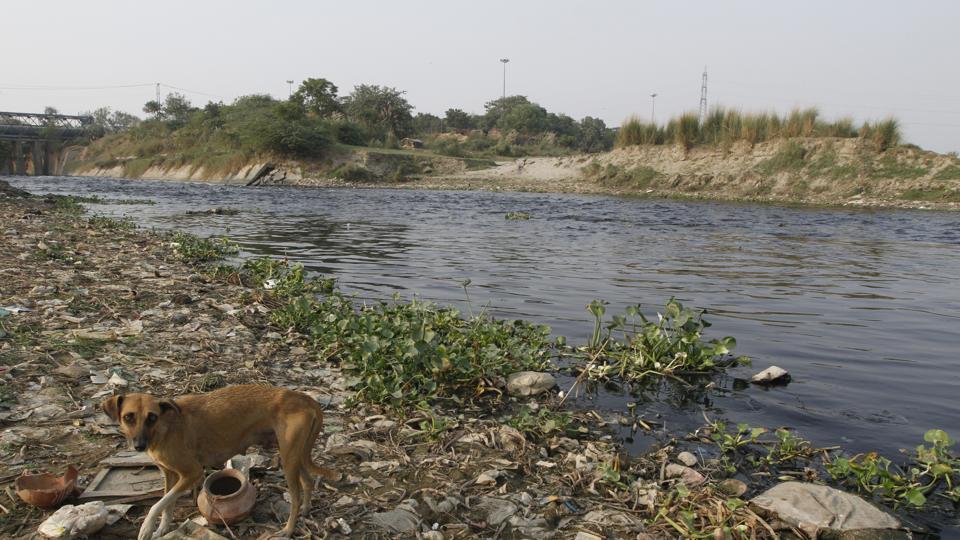
The government will spend ₹8.2 crore on the ISBT drain, ₹11.23 crore on the Sen Nursing Home drain and ₹9.36 crore on the Jaitpur drain. The projects are likely to be completed within five months.
In-situ wastewater treatment refers to methods of treating sewage, sludge or industrial effluent directly at the source or within the existing drain or water body, instead of transporting it to a centralised off-site treatment plant.
The method uses biological, physical and chemical processes to remove pollutants. “Bids for all three projects have been invited and the work is likely to start next month,” a DJB official said, requesting anonymity.
The 22km Yamuna stretch between Wazirabad and Okhla is the most polluted part of the river, with 22 major drains emptying into it. Currently, the DJB is unable to treat the entire sewage generated in the city, and a significant portion eventually flows into the river.
“To increase its overall sewage treatment capacity, the Delhi government is connecting all households to sewage infrastructure and has fixed a target to double treatment capacity over the next three years. Decentralised sewage treatment plants are being set up for larger drains, while in-situ treatment will be tried at some locations,” a DJB official said.
Bhim Singh Rawat, a Yamuna activist and member of the South Asia Network on Dams, Rivers and People (SANDRP), said in-situ treatment has also been attempted in the Varuna and Assi stretches in Varanasi, but has not yielded good results.
“We have to stop taking a piecemeal and experimental approach. A large number of factors contribute to pollution in drains, ranging from sewage to illegal industries dumping chemicals. Things fall apart due to local conditions, which ultimately leads to a waste of taxpayers’ money. DJB should consult citizens, tap drains and make it a participative exercise,” he added.


Stay updated with all top Cities including, Bengaluru, Delhi, Mumbai and more across India. Stay informed on the latest happenings in World News along with Delhi Election 2025 and Delhi Election Result 2025 Live, New Delhi Election Result Live, Kalkaji Election Result Live at Hindustan Times.


