
 E-Paper



Kishau project to boost freshwater flow in Yamuna: Patil
The Yamuna will receive additional freshwater under the Kishau project, with Delhi and Rajasthan agreeing to fund the project’s power component in return for a share of the water, Union jal shakti minister CR Patil said on Wednesday

 Prefer HTon Google


The Yamuna will receive additional freshwater under the Kishau project, with Delhi and Rajasthan agreeing to fund the project’s power component in return for a share of the water, Union jal shakti minister CR Patil said on Wednesday.
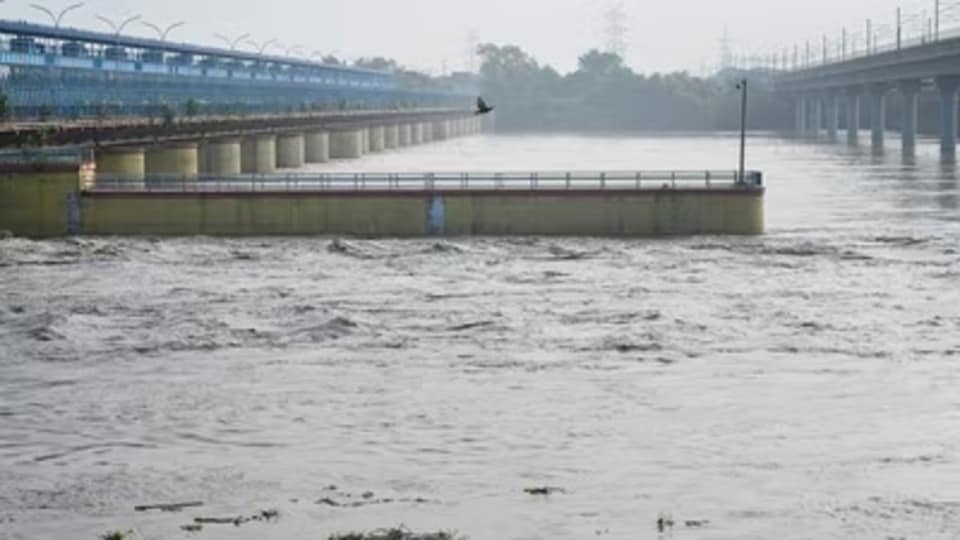
Patil said the increased flow would also make it easier to clean the river, particularly its Delhi stretch, where much of the current flow comes from drains. He was addressing the curtain-raiser event for the ‘Swachhata Hi Seva’ campaign.
“Today, there is no river water in the Yamuna. Only the water from the drains is flowing. But freshwater will come into it, so cleaning it will also become much easier,” Patil said.
Six states — Himachal Pradesh, Uttarakhand, Haryana, Rajasthan, Delhi and Uttar Pradesh — signed the Kishau agreement this week.
The Kishau project envisages the construction of a 232.6-metre-high concrete gravity dam on the Tons River, which flows along the Uttarakhand-Himachal Pradesh border, with a water storage capacity of 1,562 million cubic metres. The project will potentially irrigate 97,000 hectares of land and generate 1,476 million units of clean hydropower, Shah said, adding that Delhi would be the biggest beneficiary.
Patil said Delhi and Rajasthan had offered to make the capital investment required for the power component in exchange for a share of the water.
“Delhi’s chief minister and Rajasthan’s chief minister said that we will make the capital investment for the power project, but we will take the water. So 75% of the water will come into the Yamuna. 25% will go to Rajasthan,” he said.
Patil said the government’s plan to clean the Yamuna also involves preventing sewage and other waste from entering the river. The Centre, Delhi and Haryana have divided the work among themselves, with 43 of the 45 tasks assigned to his ministry already started, he said.
“Now regarding the Yamuna, you must have seen that before the Yamuna enters Delhi, it is not so dirty... So this roughly 50km portion in Delhi has industrial pollution, while the rest has been turned into a dustbin,” he said.
Patil said cattle dung entering the river would also be diverted for biogas production under the Gobardhan scheme.
He said the government was working to increase public awareness about cleanliness across the country, but added that there were no plans to increase or further institutionalise penalties for littering.

Stay updated with all top Cities including, Bengaluru, Delhi, Mumbai and more across India. Stay informed on the latest happenings in World News along with Delhi Election 2025 and Delhi Election Result 2025 Live, New Delhi Election Result Live, Kalkaji Election Result Live at Hindustan Times.


