E-Paper



40% jump in mosquito breeding sites in a week across Delhi
A senior official from the civic body’s public health department said that flooding in areas could result in higher rate of mosquito breeding

 Prefer HTon Google


Amid heavy rainfall, flooding and waterlogging across Delhi in the last two weeks, new mosquito breeding sites are becoming a major health hazard in the Capital.
Data by the Municipal Corporation of Delhi (MCD) shows that there has been a 40% rise in the number of mosquito breeding sites across the city — thus increasing vulnerability to mosquito-borne diseases.
The weekly action taken report by the civic body’s anti-malaria unit states that 12,495 sites were found with mosquito larvae over the last weekly cycle (from July 9 to 15). This is a 40.5% increase over the 8,889 positive sites detected in the preceding week — July 2 to 8).
Over the last eight weeks, this number has remained steady between 7,000 and 8,800 sites. Between June 25 and July 1, 8,742 positive sites were detected across the city. A week earlier, between June 18 and 24, 7,644 sites were detected. Before that, 7,347 sites in the June 11-17 period while 8,184 sites were detected during the weekly cycle of June 4-10.
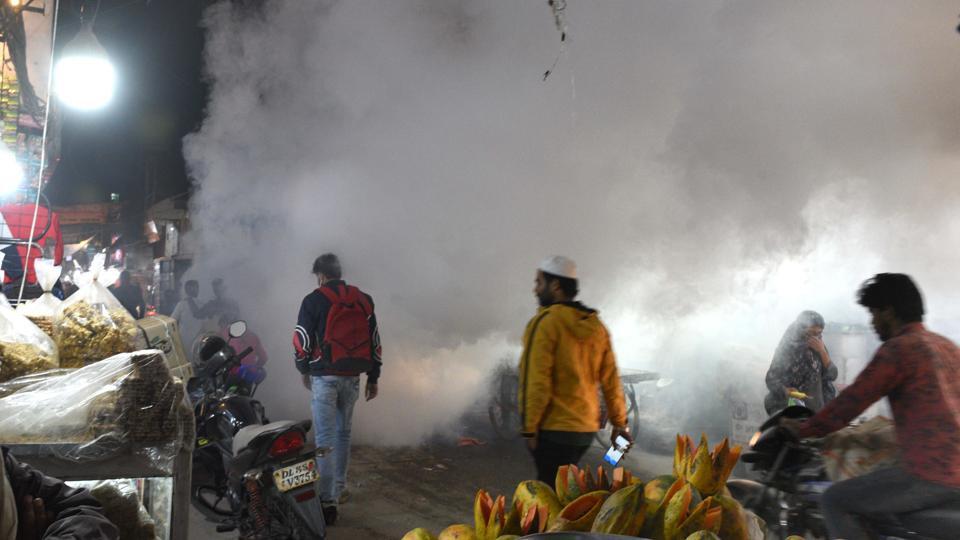
A senior official from the civic body’s public health department, who did not wish to be named, said that flooding in areas could result in higher rate of mosquito breeding. “We have identified the vulnerable sites and largescale fogging and larvicide sprinkling is being carried out in the relief cams and areas where water has receded. People also need to be careful not to allow water to stagnate in their proximity,” the official said.
Dr BK Tripathi, professor in the department of medicine at Safdarjung hospital, said that stagnant water in various parts of the city over the last week has provided enough time for mosquitoes to lay eggs. To be sure, a mosquito’s lifecycle — from larval to adult stage — is eight to 10 days.
“The real impact will be felt only after a while, when these mosquitos reach their adult stage. In case of dengue, the symptoms start appearing after four days while it takes even longer in case of malaria. The transmission cycle will have to be broken at this breeding stage,” he said.