
 E-Paper



Reporter’s Diary: Gurugram’s heritage risks fading from view
Lack of inventory, policy clarity and public visibility leaves baolis, gateways and colonial-era structures overlooked despite renewed restoration efforts in Haryana

 Prefer HTon Google


On April 18, World Heritage Day, a drive through Gurugram revealed a quieter, less reported reality: the city’s past is not absent, but largely unnoticed, even as efforts to revive and document heritage across Haryana gather pace.
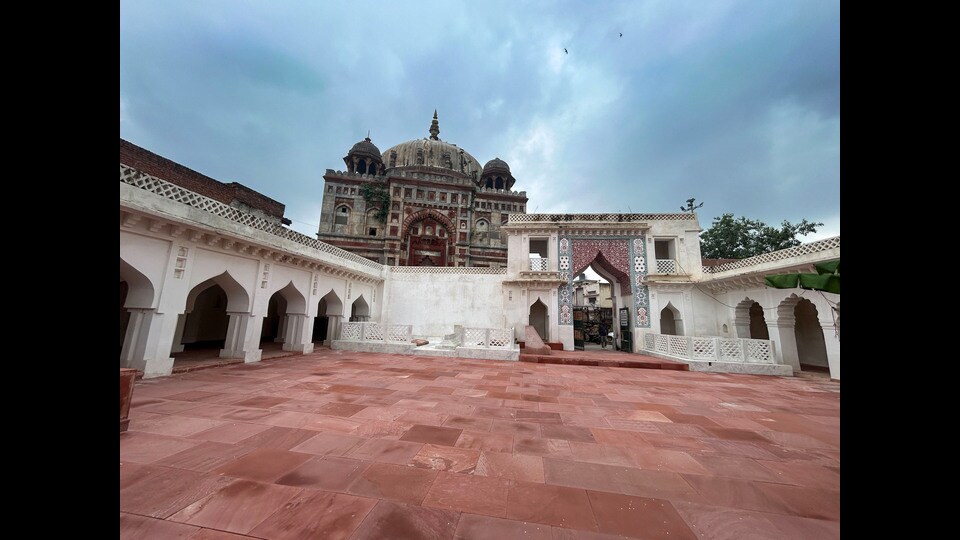
Near an administrative stretch, the Deputy Commissioner’s residence and the colonial-era John Hall stand as functional, occupied structures that blend into everyday life. They are not protected monuments or tourist sites and are often overlooked. That invisibility, rather than outright demolition, is emerging as a key threat to Gurugram’s heritage, a concern also flagged in a recent report by Raahgiri Foundation.
Over the past few weeks, while working on stories around heritage and urbanisation, I found that much of Gurugram’s history survives in fragments. Baolis lie hidden behind schools, Mughal-era gateways are absorbed into markets, and prehistoric landscapes sit at the edges of expanding sectors. These sites remain underreported, with limited official documentation, unclear ownership records, and little public visibility. This points to gaps in both conservation policy and routine civic reportage.
“Gurugram’s heritage is not lost; it is simply unseen. Each neglected baoli, haveli, and gateway carries memory, identity, and continuity. If we fail to document and protect them now, we erase chapters of our shared story,” said Manas Human, CEO of Nagarro, who has been closely associated with conversations around environment, walkability, life sciences and urban health.
At the policy level, officials indicate a shift. Across Haryana, restoration efforts have gained momentum, particularly in Narnaul, where conserved monuments have been reintegrated into public life. However, similar work in Gurugram remains at a nascent stage, with no comprehensive public inventory of heritage structures, limited budget disclosures, and little clarity on timelines or implementing agencies. This underscores gaps in official communication and accountability.
Much of the groundwork for this renewed focus is attributed to Kala Ramachandran, former principal secretary of Haryana Tourism. Along with her team, she pushed for restoration projects that prioritised authenticity, long-term maintenance, and public engagement over cosmetic repairs. Yet, follow-up data on the status, impact, and sustainability of these projects remains sparse.
What is more visible, though still scattered, is participation. Experts are documenting overlooked structures, and some local communities are beginning to engage with nearby heritage. However, there is no consolidated platform or state-led mechanism to scale these efforts, leaving them fragmented and inconsistently covered in mainstream reporting.
As I drove through the same roads later that evening, the city appeared unchanged, traffic, offices, and construction continuing as usual. But the experience underscored a larger gap. Gurugram’s heritage story is not just underpreserved; it is underreported.
The question, then, is not whether the city has a past, but whether enough attention is being paid to document, protect, and integrate it into its rapidly expanding present before more of it fades from view.


Stay updated with all the Breaking News and Latest News from Mumbai. Click here for comprehensive coverage of top Cities including Bengaluru, Delhi, Hyderabad, and more across India along with Stay informed on the latest happenings in World News.


