
 E-Paper



ECI gears up to launch major voter enrolment drive in Uttar Pradesh
Local body, assembly constituency voter lists to be matched, ration shop lists to be checked in an effort to enrol more voters; focus on youth, women

 Prefer HTon Google


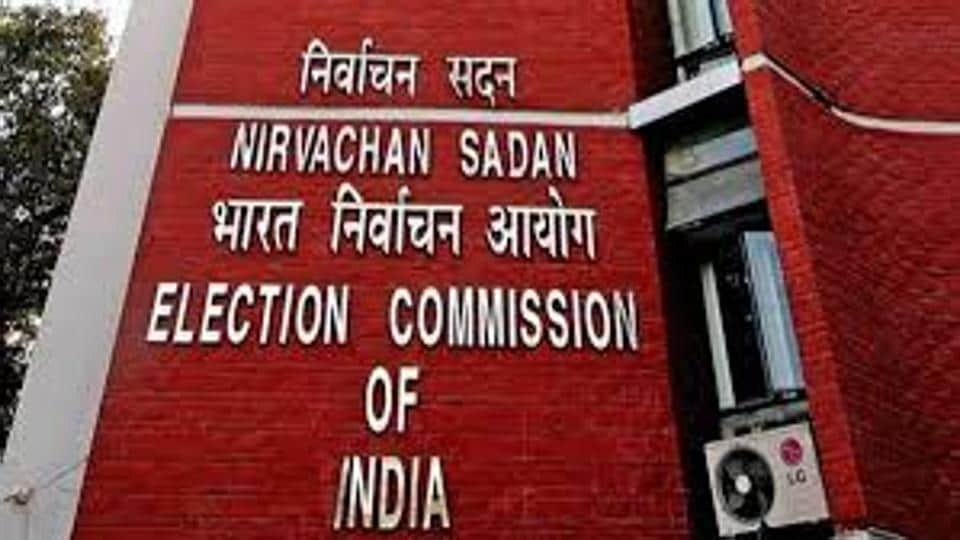
The Election Commission of India (ECI) has decided to launch a major drive in Uttar Pradesh for registration of voters, including missing ones, during the special summary revision (SSR) of electoral rolls commencing on November 12, Uttar Pradesh chief electoral officer Navdeep Rinwa said on Wednesday.
During this statewide drive, the voter list of urban/panchayat local bodies will be matched with that of the assembly constituencies.
After the Special Intensive Revision process concluded in April in Uttar Pradesh, the final electoral rolls for the assembly constituencies had 133.9 million (13.39 crore) voters. The State Election Commission (a different body) declared the final panchayat voter list for Uttar Pradesh in June, which had 125.85 million or 12.58 crore voters.
The district election officers have been instructed to check the list of beneficiaries at ration shops operated by the food and civil supplies department. Beneficiaries aged 18 or above who are not registered in the voter list will be motivated to fill Form 6 for voter enrolment.
“All efforts will be made for registration of the eligible citizens in the voter list in Uttar Pradesh. The Special Summary Revision of Electoral Rolls-2027 for the registration of the eligible citizens in the voter list is commencing from November 12 in UP. The eligibility date for registration as a voter is January 1, 2027,” Rinwa said.
To motivate women to register themselves as voters, DEOs will take the assistance of ASHA, ANM and anganwadi workers.
“The number of female voters in the current voter list is unusually low compared to male voters. All DEOs have been directed to seek the assistance of anganwadi workers, ASHAs, ANMs, and group friends working under various government departments to include eligible women in the voter list,” he said.
The gender ratio declined from 877 (the 2025 voter list) to 834 women voters (final electoral rolls) per 1000 male voters after the SIR final rolls were out.
ASHAs, ANMs and anganwadi workers will conduct door-to-door visits in their areas of work to identify eligible women not included in the voter list. Women’s self-help groups will make efforts to enrol every eligible woman in rural areas in the voter list.
In addition, the assistance of educational institutions will be taken for enrolment of eligible youth, especially those in the 18-19 age group.
According to the ECI’s schedule, the consolidated voter list will be published on November 12. Claims and objections will be received from November 12 to December 11 during the special summary revision process and resolved by December 28. The final voter list will be published on January 4.
“The cooperation of various government departments will be taken to include eligible citizens, especially youth and women, in the voter list for assembly constituencies. The Election Commission of India has issued guidelines to all district election officers in this regard,” he said.
The DEOs have been instructed to activate Electoral Literacy Clubs formed in educational institutions to create awareness among youths regarding the importance of voting rights, ethical voting, participation in the democratic process, and to encourage eligible students to register as voters.
“The assistant electoral registration officer (AERO) of the respective assembly constituency will coordinate with the designated ELC coordinators of Voter Literacy Clubs (ELCs) in educational institutions and work in a mission mode to ensure that as many eligible students as possible are included in the voter list,” Rinwa said.
“Instructions have also been given to seek the cooperation of various government organisations working for youth, such as the NSS (National Service Scheme), NCC (National Cadet Corps), Nehru Yuva Kendra, Yuvak Mangal Dal, and Bharat Scouts and Guides, to assist in the registration of young voters,” the CEO said.
After the SIR process concluded in Uttar Pradesh, the final electoral rolls had 133.9 million (13.39 crore) voters, shrinking by 13.24%, compared to 154.4 million (15.44 crore) voters listed in the electoral rolls published on October 27, 2025, after a special summary revision.
The final voter list in UP had 73,071,061 (54.54%) male voters, 60,909,525 (45.46%) female voters and 4,206 (0.01%) third gender voters. There were 1,763,360 (1.32%) first-time voters in the age group of 18-19 years.


