

 E-Paper



Bihar govt signs MoU with MoRTH to clean rivers of silt accumulated due to floods
The main objective of the MoU is scientific desilting of water bodies in Bihar for flood management and conservation of water sources, and the use of suitable extracted silt, sand, mud, and fine sediments as construction material in the construction of National Highway projects

 Prefer HTon Google


The Government of Bihar and the Union ministry of road transport and highways (MoRTH) on Monday signed an important Memorandum of Understanding (MoU) in New Delhi. Under it, the MoRTH will dredge the state’s rivers and route recovered sand, silt and sediment into National Highway projects.
Bihar chief minister Samrat Chaudhary and Union minister for road transport and highways Nitin Gadkari were present at the MoU signing function, which has been an old demand of the state for the state’s ecological restoration, groundwater recharge and flood mitigation. Union minister Jeevan Ram Manjhi was also present on the occasion.
The main objective of the MoU is scientific desilting of water bodies in Bihar for flood management and conservation of water sources, and the use of suitable extracted silt, sand, mud, and fine sediments as construction material in the construction of National Highway projects. Realising the ill-effects of unscientific, ad-hoc dredging that risks long-term ecological damage, the state has adopted a rigorous, data-driven framework.
Gadkari described the signing of MoU a major step, the results of which would speak for itself in the times to come. “I am from the Vidharba area where over 10,000 farmers committed suicide mainly because of water scarcity. I have been working on water conservation for the last 25 years. The Bihar CM was telling me the state incurs a loss of ₹10,000 on an average every year due to flood. Surplus of water and lack of it both wreak havoc. Siltation causes huge damage to river and the Samrat government has taken it seriously,” said Gadkari.
Gadkari said that dredging of rivers was important and the NHAI would do it without any cost to the Bihar government. “There will be no royalty. We will give silt to the NHAI free of cost for road construction. The objective is to rejuvenate rivers and water bodies. We have nearly ₹5-lakh worth projects ongoing or in the pipeline in the state and that would also benefit without harming the environment. Samrat Choudhary has created history through this initiative, which other states would also follow in the years to come. For Bihar, this would also help mitigate floods and drought,” he added.
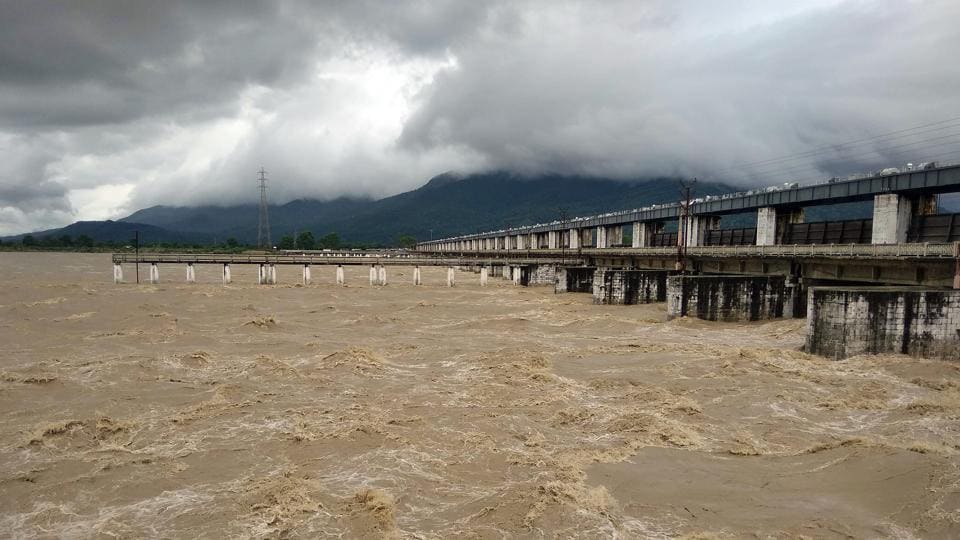
Samrat also described the MoU signing a historic day for Bihar and thanked Gadkari for the initiative to turn Bihar’s weakness into strength. “Bihar is not devastated by its own water, but from water coming from Nepal. This year Bihar had 32% rain deficit, but the HFL (highest flood level) changed to reach the highest level in three major rivers. The high HFL is an indicator of heavy siltation in rivers,” he added.
With heavy sedimentation drastically reducing the depth and carrying capacity of the Ganga and its major tributaries (such as the Kosi, Gandak, and Bagmati), this is attributed as one key reason behind Bihar’s severe annual flooding, as the one witnessed this year. The issue has also echoed during the statewide “Nitish Samvad” campaign of the JD(U), seeking protection of Bihar interests on sharing of the Ganga river water in the Indo-Bangladesh treaty, which expires next month.
Samrat said that Bihar cabinet had in September this year approved the Bihar Water Resources Restoration and Sediment Management Policy (2026), which establishes a legal roadmap to systematically extract sediment from rivers, barrages, and reservoirs. “It focuses on maintaining the uninterrupted natural flow of water while enhancing storage capabilities, while strengthening flood management measures,” he added.
He also urged Gadkari to plan four-lane highway on both sides of the Ganga river, which could be a game changer in the years to come.
Floods cause heavy losses worth thousands of crores of rupees in livestock, crops and other infrastructure damage across the state. With the signing of the MoU, Bihar hopes to address two key challenges -- ensuring flood management and meeting shortage of affordable road construction material. Lower material procurement costs for highway infrastructure development could also prove game changer for Bihar and provide a template for other states.

Stay updated Bihar Lok Sabha Result and with all the Breaking News and Latest News from Bengaluru. Click here for comprehensive coverage of top cities including Delhi, Mumbai, Hyderabad, and more across India . Stay informed on the latest happenings in World News.


