
 E-Paper



Power disruptions hit Pune water supply for three days; pumping ops at Khadakwasla restored
The Pune Municipal Corporation (PMC) restored regular pumping operations at the Khadakwasla pumping station at 8 am on Sunday after replacing one out of its two damaged transformers

 Prefer HTon Google


Electrical faults at multiple locations in the power supply network disrupted water supply across Pune for three consecutive days, prompting complaints of low pressure and delayed supply in several areas. The Pune Municipal Corporation (PMC) restored regular pumping operations at the Khadakwasla pumping station at 8 am on Sunday after replacing one out of its two damaged transformers.
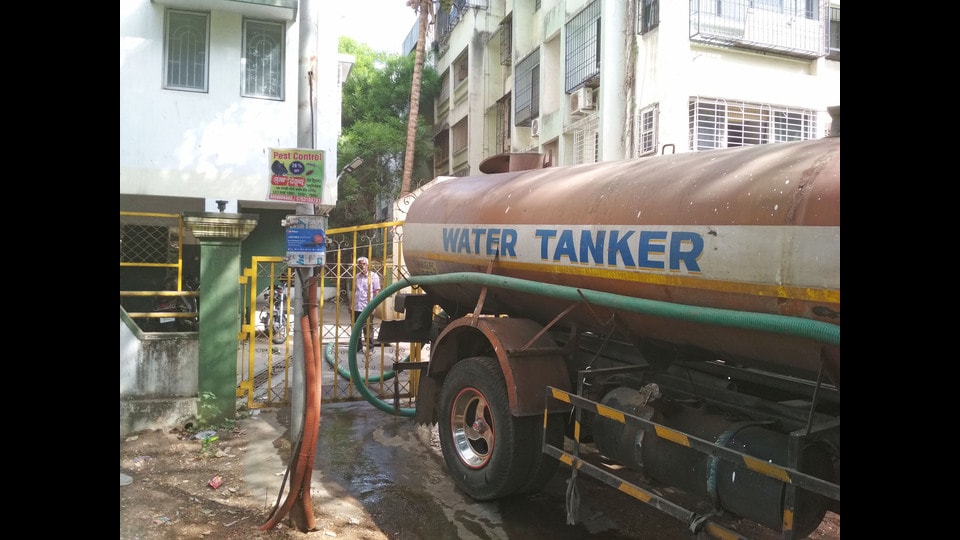
The disruptions began with the scheduled weekly water shutdown on October 29, followed by an electrical fault at the Parvati water treatment plant on October 30, and a series of power failures at the Khadakwasla pumping station on October 31.
The successive disruptions affected water distribution across several parts of the city with complaints of delayed supply and low pressure reported from the Peth areas, railway station vicinity, Kharadi, Wadgaon Sheri, Bhandarkar road, parts of Kothrud, Karvenagar, Shivajinagar and Aundh among other localities.
Subsequently, the PMC deployed diesel generator (DG) sets and arranged replacement transformers to maintain pumping operations. The civic body also plans to extend pumping hours to compensate for the shortfall accumulated over three days. Nand Kishor Jagtap, chief superintendent engineer, civic water supply department, on Sunday said, “The major electrical faults affecting the city’s water supply system have been addressed. Regular pumping at the Khadakwasla station resumed at 8 am on Sunday after one of the damaged transformers was replaced. We will extend pumping hours, as far as technically possible, to make up for the shortfall and restore normal pressure across the affected areas.”
Pumping ops hit by multiple power failures
On October 30, an electrical cable fault at the Parvati water treatment plant forced closure of its old 350-million-litres-per-day (MLD) treatment facility for nearly four hours. Operations resumed after repairs were completed. The following day, a Maharashtra State Electricity Distribution Company Limited (MSEDCL) express feeder cable supplying power from Nanded city to the Khadakwasla pumping station was damaged during construction work. The MSEDCL arranged an alternative supply through the Urban Gram express feeder. However, this supply was also interrupted after a monkey came into contact with an overhead power line, triggering a short circuit. Although the short circuit was repaired, subsequent inspections revealed damage to two transformers at the pumping station.
80% pumping capacity kept operational by DG sets
The PMC deployed DG sets as an emergency measure, enabling four out of the five pumps supplying raw water to the Warje water treatment plant to remain operational. This helped maintain around 80% of the pumping capacity.
As immediate repairs to the damaged transformers were not possible, Vishvaraj Environment Limited, the agency responsible for operating and maintaining the pumping station, arranged two replacement transformers, each with a capacity of 1,200 KVA, on a rental basis from a private supplier on October 31.
One transformer was installed and commissioned, allowing regular power supply and pumping operations to resume on Sunday morning. Installation of the second transformer was also scheduled for completion on Sunday, with DG sets being used to support pumping operations till such time.
With Diwali just round-the-corner, the PMC has directed engineers to closely monitor the distribution network and prioritise complaints from affected areas. The civic body said that additional pumping hours will be planned, subject to technical and operational constraints, to bridge the supply deficit and restore normal water pressure.


