
 E-Paper



Kaas Plateau an even bigger draw this year due to Karvi flowering season
The Karvi flowers bloom only once in every seven or eight years; with their last flowering season having been in 2016, they are expected to blossom this year

 Prefer HTon Google


Pune
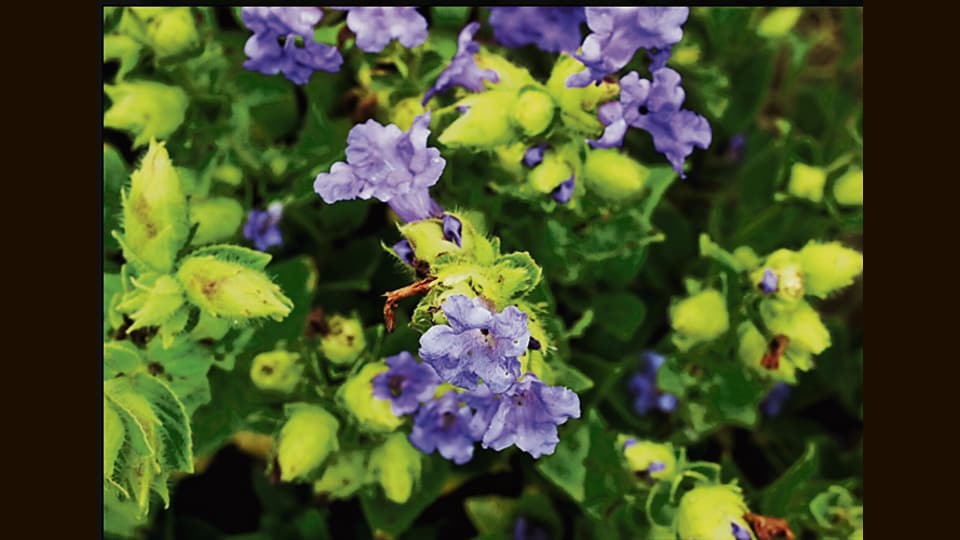
While the Kaas Plateau – also known as “Maharashtra’s Valley of Flowers” – is a 365 days’ tourist attraction due to its scenic beauty, this year is expected to draw even more visitors due to the purple Karvi flowers expected to bloom in September and October. The Karvi flowers bloom only once in every seven or eight years; with their last flowering season having been in 2016, they are expected to blossom this year.
Towards the end of every monsoon season, hundreds of thousands of different flowers begin to bloom transforming the Kaas Plateau into a multifloral and multicoloured carpet of breathtaking beauty. Tourists throng the plateau to soak in its natural beauty. This year, the popular tourist spot promises to be an even bigger draw due to the Karvi flowers. Whereas the flowering season of the Karvi is very short and lasts for only 15 days, according to Mahadev Mohite, deputy conservator of forests, Pune.
Nivrutti Chavan, range forest officer of the Satara forest division, said that the flowers are yet to blossom but they are sure it will happen this flowering season. Shrirang Shinde, former ranger of the Kaas Plateau under the Satara forest division, said, “The Karvi flowers are of four types. Here in Kaas or in the western ghats of Maharashtra, we mainly find Topli Karvi or Strobilanthes Callosa. The Karvi effectively control soil erosion, facilitate percolation, and replenish groundwater in the area.”
“The Karvi are also found in Karnataka and Kerala however the flowering period in these states is one in every 10 or 12 years. By contrast, these flowers bloom once in every seven or eight years in Maharashtra due to the salinity, hot and humid weather, and height above sea level. In 2011, the Karvi flowers used to blossom over only 10% of the Kaas Plateau whereas they now blossom over more than 40% of the plateau,” Shinde said.
The flower is renowned not only for its beauty but also for its ecological and health benefits. “It is a wildflower supporting both humans and wildlife, and acts as a source of food for larger herbivores, cattle and smaller insects. It provides generous amounts of both nectar and pollen to its pollinators, primarily honeybees,” Shinde said. These bees produce the rare Karvi honey which has a unique blend of colour, taste and aroma. The honey is beneficial for humans as it imparts strength to the backbone, Shinde said.


