
 E-Paper



Five reasons why Delhi air will never be clean
Air pollution in the capital will never come down to safe limits because of a geographical disadvantage, Delhi Pollution Control Committee (DPCC) told the Delhi High Court on Thursday.

 Prefer HTon Google


Air pollution in the capital will never come down to safe limits because of a geographical disadvantage, Delhi Pollution Control Committee (DPCC) told the Delhi High Court on Thursday.

While controlling industrial and vehicular emissions and agricultural fires helps to bring down toxins in the air, little can be done about Delhi’s unique geography and weather conditions that contribute to its lung-smothering toxic haze. Here’s why.
Geographical disadvantage
The Himalayas in the north and the Vindhyas in the south prevents polluted air from dissipating, trapping it over the Indo-Gangetic plain.
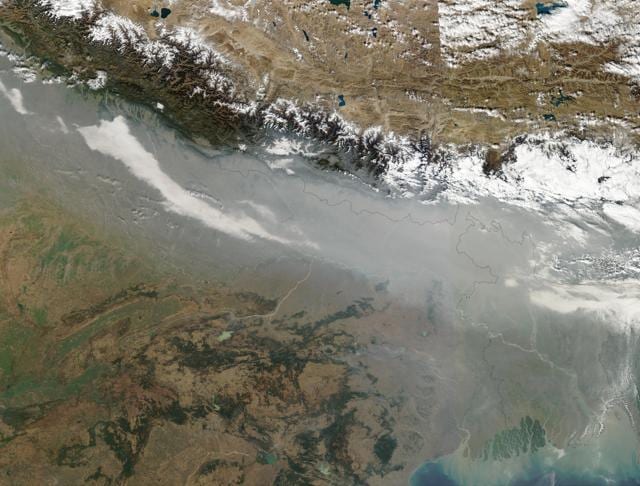
The temperature inversion in December and January further compounds this problem, with suspended particulates – a mixture of dust, organic carbon, black carbon, sulphates and nitrates – lowering visibility by settling low over ground.
Dust storms
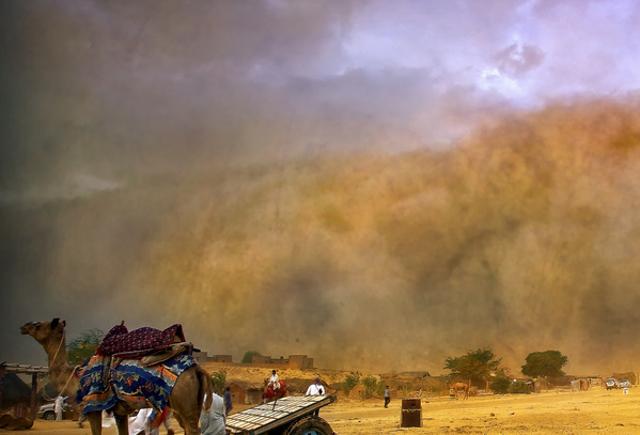
Sandstorms from the neighbouring Thar desert, construction dust from Delhi and the NCR, and deforestation in the mountains around Delhi add to dust and suspended particles.
Agricultural fires
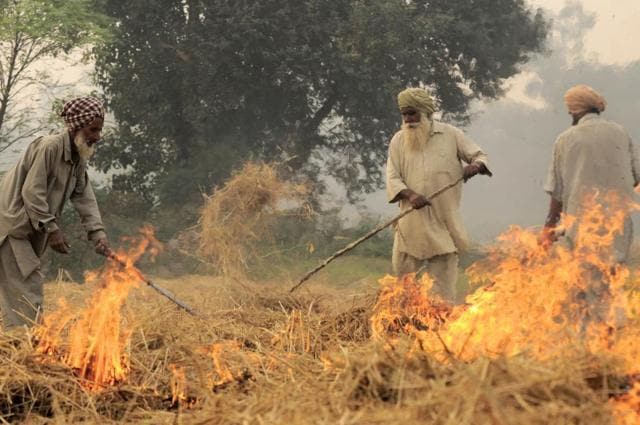
Fires to clear agricultural stubble after harvest in Punjab, Haryana and western Uttar Pradesh, forest fires in Himachal and Uttrakhand, leaf burning, and cooking and heating stoves used for warmth add to the visibility-lowering fine particulates and carbon that are major constituents of smog.
Emissions
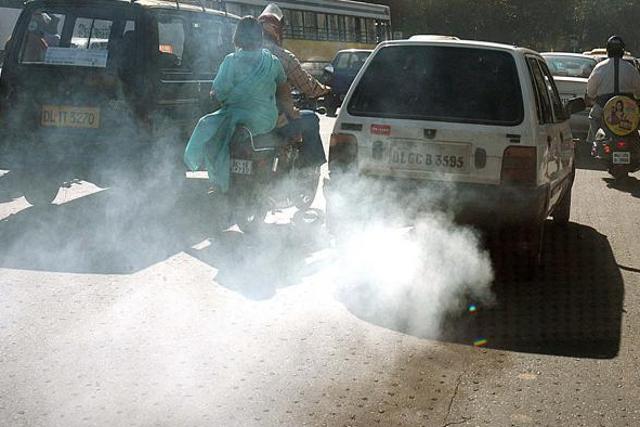
Emissions from vehicles, coal-fired power plants, brick kilns and factories add nitrates, sulphates and black carbon. These add to winter smog, which is produced when airborne dust, carbon particles, noxious gases and ozone react chemically in the presence of sunlight and moisture to create a toxic mist.
Weather
Air is the cleanest in the spring and monsoons, but quickly deteriorates after harvest in October and November, when the farmers start burning stubble to clear their fields for the next crop.

The notorious winter smog is formed when moisture droplets sit on the suspended particulates and react with gases to form the muddy-brown haze that’s become a part of Delhi winter. Damp conditions and high humidity add to haze and lower visibility, which explains why the dry conditions this year resulted in the clearest nights Delhi has had in several years.


