
 E-Paper


Lessons from Kuno on conservation planning
As wildlife and humans jostle for space, rising human and economic toll erodes tolerance

 Prefer HTon Google


India’s wildlife conservation/species-reintroduction efforts often focus on the rise in animal numbers. While numbers matter, making them the centrepiece of the narrative glosses over the pressures on habitat and range. When conservation success spills over the space available to accommodate growing animal populations, human-animal conflict inevitably follows. This tension was underscored again last week, when the residents of a Rajasthan village assaulted a forest team that was tracking a cheetah that had strayed from the neighbouring Kuno National Park and had killed a buffalo calf. This demonstrates that even a small founder population is straying beyond the park, implying how little buffer actually exists.
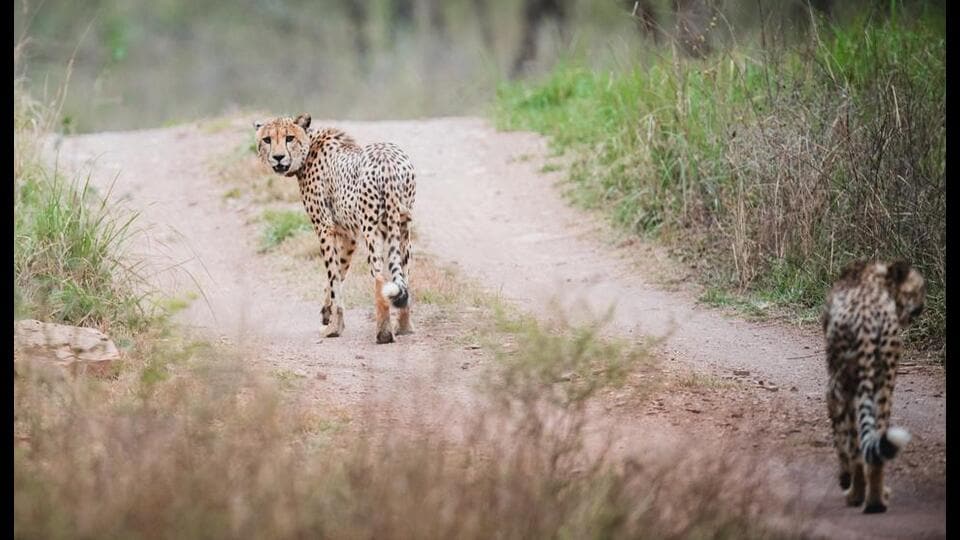
As wildlife and humans jostle for space, rising human and economic toll erodes tolerance. Hostility towards wildlife, including retaliatory killings, though appears only as a side note in India’s conservation discourse. Habitat fragmentation due to infrastructure projects in forested areas compounds the problem. In the case of larger carnivores, the problem also has the added dimension of territoriality and predator competition.
Even though habitat, range planning has historically been a part of conservation design, the annual instances of human-animal conflict show that these need much greater attention. While awareness is one part of addressing this, the more impactful part is speedier and just compensation for all losses. Prevention also must be made a focus, with early warning systems for both foresters and human settlements abutting forests — this can involve live-tracking and physical barriers, among others. India’s true conservation success needs to be about co-existence.


