E-Paper



From Corporate Jobs to Classrooms: Why professionals are choosing teaching
Professionals are leaving lucrative careers to become teachers in search of meaningful work. The trend highlights the need to make teaching a career choice.

 Prefer HTon Google


In India, we keep a quiet hierarchy of ambition. The brightest young people are steered toward engineering, medicine, management, the careers that promise income and standing. Teaching sits low on that ladder. It is, we tend to assume, a profession of last resort- what a person does when the other doors did not open.
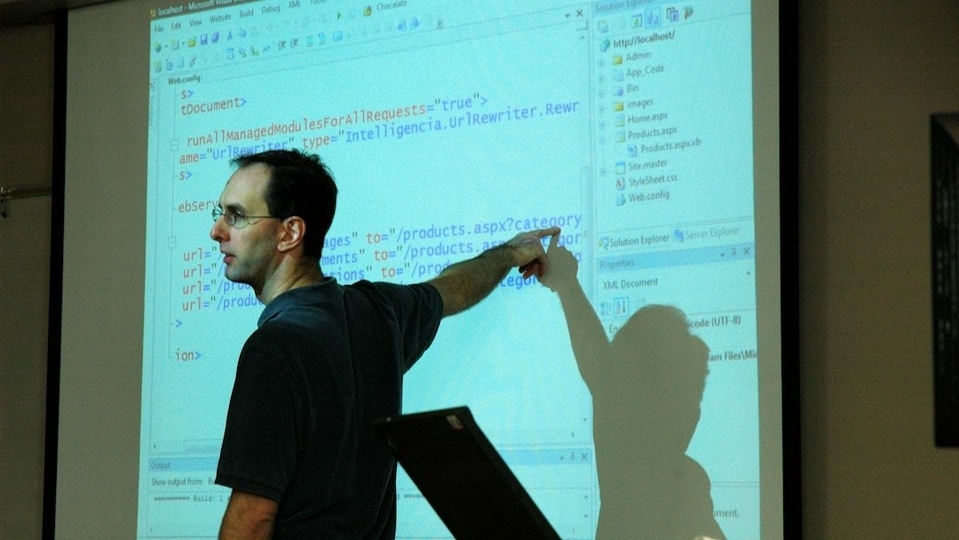
Over the past year I came to know a group of teachers who turn that assumption on its head. They are accomplished women and men who had already walked through the other doors. They were graduates of the country's most competitive institutes and of universities abroad, with lucrative careers in business, technology and the professions. And then they chose, deliberately and at some cost, to leave all of it in order to teach. They did not drift into the classroom. They chose it.
Can classrooms keep up with a job market changing in months?
I am a sociologist, and between 2023 and 2025 I studied a small, non-governmental teacher-preparation programme in North India called I Am A Teacher or IAAT. Many of the people training there were on a second innings. They had spent years in well-paid professional lives and arrived carrying a particular kind of disappointment. One told me she simply could not find meaning in the corporate world she had worked in for so long, and began looking for a way out until she came across the programme through a brochure in her own office. They were, as the study found, rich but not happy. The world they were leaving felt to them relentlessly instrumental, organized around money and targets. What drew them toward teaching was its opposite: a sense that it was meaningful, even spiritual, a noble way to spend a life.
For some the pull was so strong it felt less like a decision than a summons. "It was not that I found it," one teacher said. "It was like it found me." Another had recently moved to a new city and was unsure what her next career would be when a neighbor mentioned the programme. She had no intention of becoming a teacher. She now spends her days in a classroom and cannot imagine doing anything else.
Most of these career-switchers were women, many of them returning to work after years away, for whom the move was about identity and independence as much as vocation. They were not looking for a job. They were looking for themselves.
What struck me most, though, was not why they switched. It was what happened afterward, once the romance of the idea met the reality of the work. Teaching is hard. The preparation is intense, the classrooms unpredictable, the salary a fraction of what they had left behind. By every instrumental measure they had taken a step down. And yet I did not meet regret. I met something closer to relief.
Again and again, these teachers described the change not as a career move but as a remaking of the self. "I discovered who I was," one said. "I did not know who I was until I did this." They spoke of becoming more patient, more present, better not only as teachers but also as parents and partners. One teacher, who had come to the programme at a low point in her life, told me plainly that it had rescued her. The meaning they had gone searching for, it turned out, was actually there. The profession they had been raised to see as a demotion became, for them, a way into their own lives.
None of them romanticized it. They knew teaching's frustrations intimately, the long days, the thin pay, the schools that do not always support good practice. But when I asked whether they would make the same choice again, not one of them hesitated.
This ought to tell us something important and hopeful, about the country's long struggle with teacher quality. We usually frame that struggle as a problem of supply and standards: too few good teachers, too little training. We rarely ask a prior question. Who do we even allow ourselves to imagine becoming a teacher? As long as teaching is treated as the profession of last resort, it will keep drawing people for whom it truly was the last resort. But these switchers that my study discovered are evidence of a supply we are not tapping, a large and capable group of mid-career professionals who are seeking work that means something, and who would choose teaching if choosing it felt both possible and respected.
What stops them is not desire. It is the absence of pathways. A doctor or an engineer or a manager who wants to teach faces a system that offers little dignity of entry, scarce serious preparation for the actual craft of teaching, and a steady cultural signal that they are taking a demotion. The programmes that genuinely welcome such people, prepare them rigorously, and treats the move as an ascent rather than a retreat, are still too few and too quiet. They should be neither.
And the gain would not stop with them. As my study brought to light, a teacher who came to the work by choice, who has examined her own life and decided that teaching was worth it, teaches differently. She carries the discipline of her old profession and the conviction of her new one into the same classroom. The children in front of her feel that difference, and over time so do the colleagues beside her. One thoughtful career-switcher does not merely fill a vacancy. She quietly raises the bar for what a teacher can be.
India does not have a shortage of people who could be moved by the idea of teaching. It has a shortage of doors through which they can walk toward it with their heads held high. Build more of those doors, demanding and respected ones, and teaching need not be the thing people settle for. It can be the thing they choose. The IAAT teachers I met have already made that choice, and they are not looking back. The real question is how many others would join them, if only we let teaching be a calling worth answering.
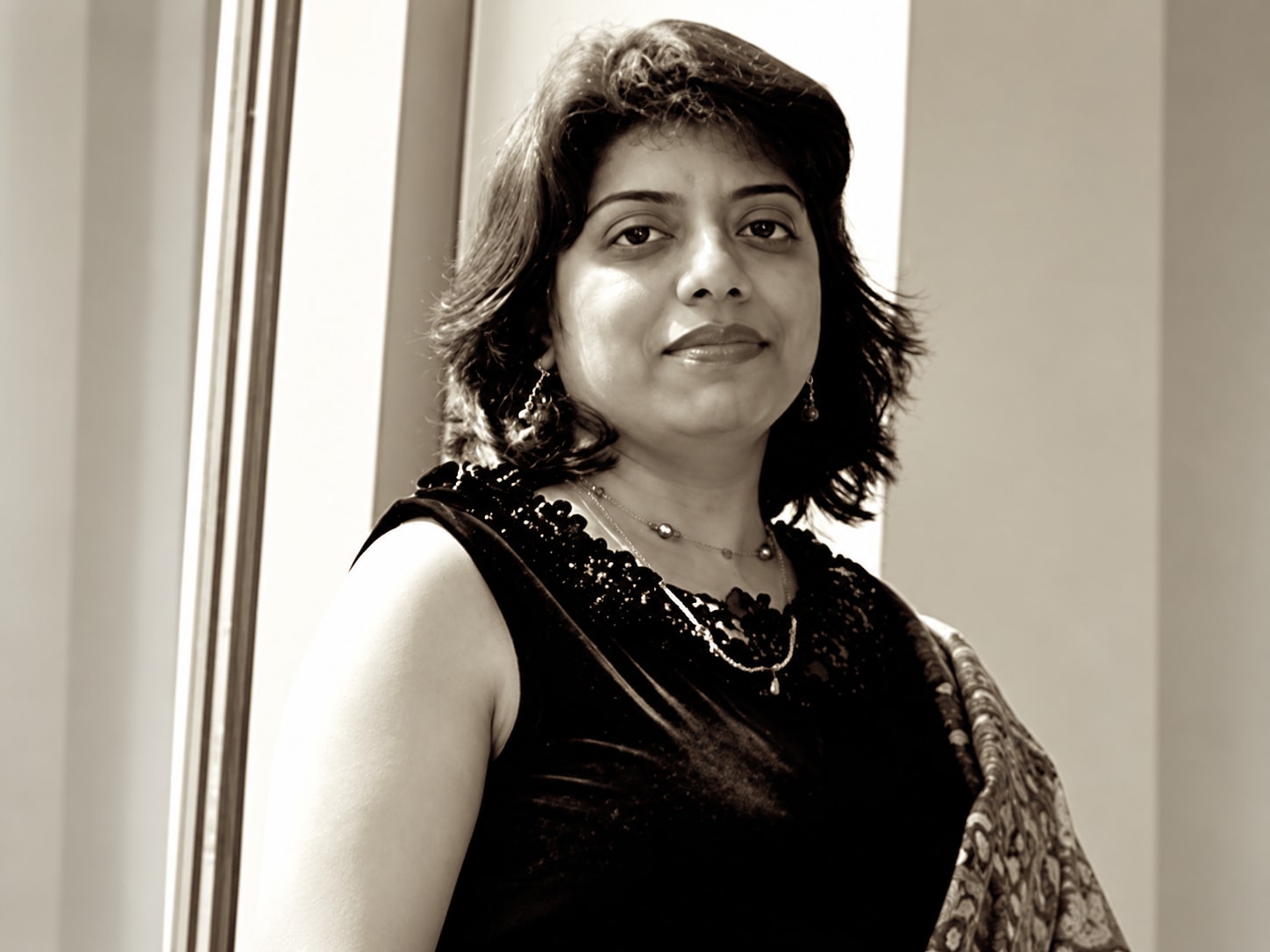
(This article is written by Vani S. Kulkarni . Vani is a sociologist affiliated with the University of Pennsylvania and Yale University.)