E-Paper



In deferring meet on higher education bill, Centre seeks to avoid new row
The VBSA Bill seeks to replace the UGC, AICTE and NCTE with a 12-member commission overseeing separate councils for regulation, standards and accreditation

 Prefer HTon Google


The Centre’s decision to defer its Monday’s meeting to finalise the Joint Parliamentary Committee report on the Viksit Bharat Shiksha Adhishthan (VBSA) Bill, 2025 in the ongoing monsoon session is aimed at avoiding another contentious debate on education amid ongoing protests over the NEET-UG paper leak controversy and student suicides, people familiar with the matter said on Monday.
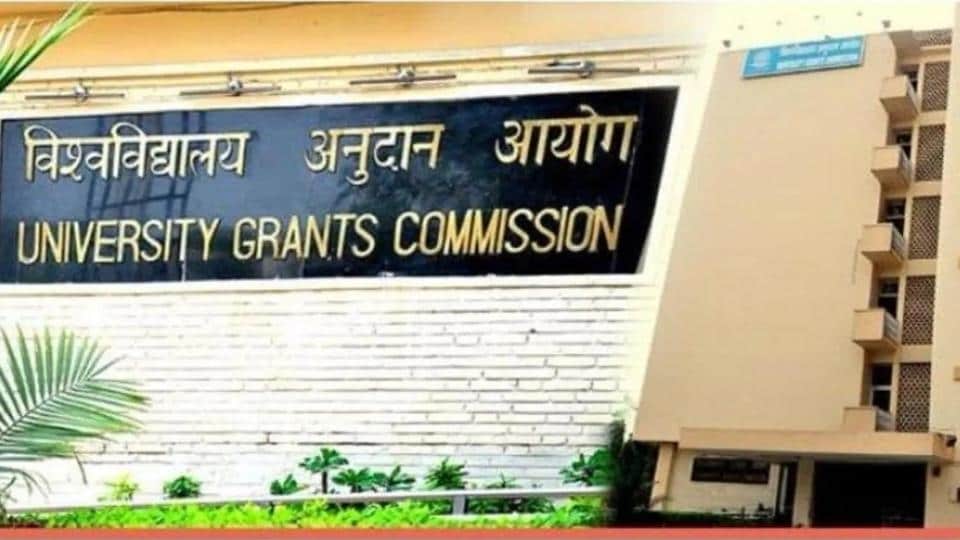
The VBSA Bill, tabled in Parliament in December 2025, seeks to replace the UGC, AICTE and NCTE with a 12-member commission overseeing separate councils for regulation, standards and accreditation under the National Education Policy (NEP) 2020 framework.
After objections from several MPs, the Bill was sent to a 31-member committee on December 16. The move comes after both Opposition leaders and NDA allies expressed reservations regarding the bill during deliberations between February and July.
“NDA allies such as the TDP also raised concerns about federalism during the committee’s deliberations. The governments of Andhra Pradesh, Meghalaya and Madhya Pradesh... flagged issues relating to the centralisation of powers in the proposed VBSA councils and sought greater clarity on provisions...,” said a person aware of the matter.
The panel, led by BJP MP Daggubati Purandeswari, has incorporated the Centre’s responses to concerns raised by states, universities and industry bodies in its draft report, people aware of the matter said. However, it cancelled a meeting on Monday to finalise the report.
Punjab Police busts cheating racket in pharma officer recruitment exam, detains 7 masterminds
“The Centre didn’t want to stir another hornet’s nest on education while the protests by the Cockroach Janata Party are continuing,” said a TDP MP, who did not want to be named.
According to people familiar with the matter, the Andhra government described Clause 11(4) as the “single most significant structural change” to the affiliating university system, arguing that it would allow VBSA’s Regulatory Council to bypass state universities while deciding whether affiliated colleges could award degrees. The NPP-led Meghalaya government, meanwhile, sought amendments to Clause 12, which deals with the powers of the Regulatory Council, to better “safeguard federal principles”.
Himachal on high alert as red alert issued for heavy rains, all schools closed in 3 districts
Earlier in May, HT reported that leading higher education institutions had urged the panel to strengthen safeguards for institutional autonomy, increase state representation and adopt a phased rollout, warning that some provisions could effectively subordinate the regulator to the executive and trigger Centre-State friction.