
 E-Paper



Recovery stories highlight rehabilitation push under Punjab’s anti-drug campaign
Personal recovery stories highlight the importance of treatment, family support, and employment in rebuilding lives and preventing relapse.

 Prefer HTon Google


Personal recovery stories emerging from across Punjab are highlighting a shift in the state government’s anti-drug strategy, with a growing focus on rehabilitation and reintegration alongside enforcement under the ‘Yudh Nashean Virudh’ campaign.
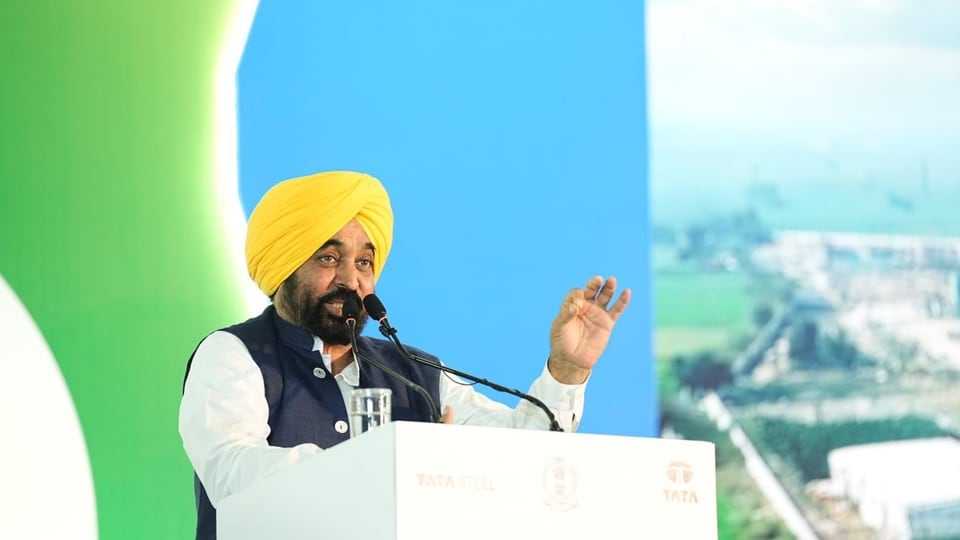
The initiative, led by Chief Minister Bhagwant Singh Mann, is increasingly emphasising treatment, counselling and employment support as key components of long-term recovery.
Abhishek Kumar (name changed), who had struggled with addiction for years, said returning to work played a decisive role in rebuilding his life. “Having a job again changed everything. It gave me a reason to stay on the right path,” he said, recalling how structured treatment and family support helped him recover.
Similar experiences have been reported by others who have undergone rehabilitation. Navdeep Kumar (name changed) said support from his family helped him seek treatment, after which employment brought stability. “It restored discipline and purpose in my life,” he said.
Gurjinder Singh (name changed) described how addiction had affected both his health and finances, but consistent counselling and support helped him recover. He is now employed and reconnecting with his family.
Officials associated with the campaign said there is an increasing effort to link rehabilitation programmes with livelihood opportunities, noting that sustained recovery often depends on financial independence and social reintegration.
The accounts suggest that employment is emerging as a critical factor in preventing relapse, offering not just income but also a sense of dignity and stability.
The state government has maintained that its approach goes beyond enforcement against drug networks to include support systems aimed at bringing affected individuals back into mainstream life.


