
 E-Paper



BIMSTEC and India’s search for a more effective regional order
This article is authored by Janvi Singhi.

 Prefer HTon Google


The Bay of Bengal is central to India’s economic connectivity, maritime security and engagement with Southeast Asia. Yet, despite its strategic significance, regional cooperation remains constrained by political instability, inadequate infrastructure and weak economic integration. The first Bay of Bengal Initiative for Multi-Sectoral Technical and Economic Cooperation (BIMSTEC) Home Ministers’ Meeting, held in New Delhi on October 13, 2026, offers an opportunity to examine a larger question: Can India transform regional diplomacy into an institutional framework that delivers tangible outcomes?
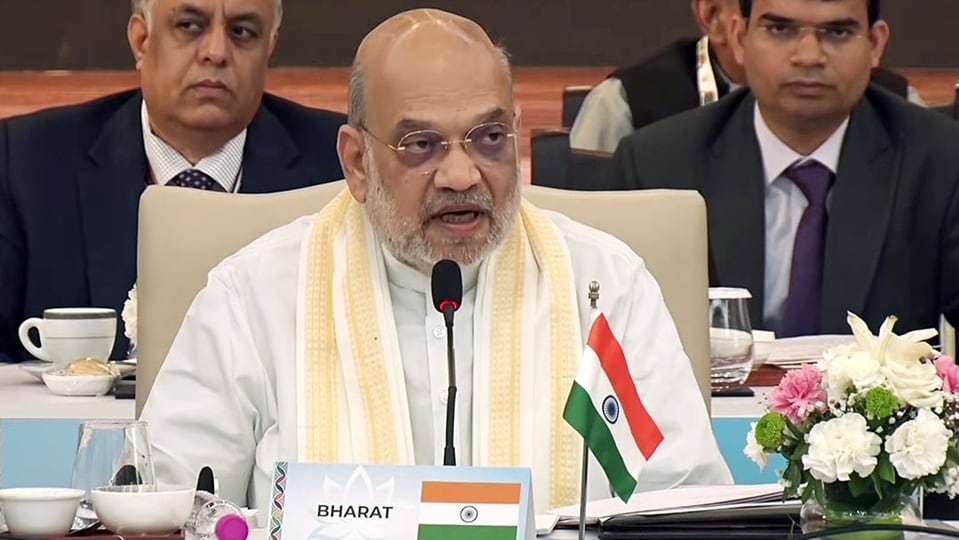
The meeting’s Delhi Declaration reaffirmed the commitment of the seven member States i.e Bangladesh, Bhutan, India, Myanmar, Nepal, Sri Lanka and Thailand to combat terrorism, drug trafficking, human trafficking, cybercrime and transnational organised crime. However, the adoption of a declaration is only the beginning. BIMSTEC’s credibility will depend on whether these commitments translate into coordinated action, measurable progress and sustained regional cooperation.
For India, BIMSTEC connects two central foreign-policy priorities: Neighbourhood First and Act East. Its membership creates a bridge between South and Southeast Asia, offering opportunities to integrate India’s northeastern states with regional markets while strengthening maritime cooperation across the Bay of Bengal.
The grouping also provides a practical platform for regional engagement amid the persistent difficulties facing the South Asian Association for Regional Cooperation (SAARC). However, BIMSTEC should not be judged merely by its ability to function without Pakistan. Its strategic value must rest on what its members can collectively achieve, rather than on the limitations of another institution.
The central challenge is that geographical proximity has not translated into economic interdependence. Intra-regional trade remains below its potential, cross-border infrastructure is incomplete, and negotiations on a BIMSTEC free trade agreement have progressed slowly. Without reducing these barriers, the organisation risks becoming a forum for diplomatic coordination rather than a driver of regional integration.
The October meeting provides a timely basis for strengthening regional responses to transnational threats. Terrorist networks, illicit financial flows, narcotics trafficking and human trafficking exploit jurisdictional boundaries and differences in enforcement capacity. Addressing them requires more than political agreement.
India should prioritise operational mechanisms, including designated national contact points, secure intelligence-sharing procedures, joint training and effective mutual legal assistance. Regular implementation reviews should distinguish between agreements signed, procedures established and outcomes achieved. Security cooperation must also respect due process, domestic law and human-rights obligations, particularly in investigations involving trafficking victims and vulnerable communities.
The same logic applies to disaster management. Cyclones, floods and other climate-related emergencies affect countries across the Bay of Bengal, making early-warning systems, coordinated relief exercises and shared emergency protocols areas where cooperation can produce immediate public benefits. These initiatives would strengthen BIMSTEC by demonstrating that regional institutions can address problems that individual governments cannot manage efficiently in isolation.
Security cooperation alone cannot sustain a regional order. BIMSTEC must also make cross-border economic activity easier, cheaper and more predictable. India’s Northeast is crucial to this objective. Its location offers opportunities to connect domestic production centres with Bangladesh, Myanmar and Thailand. Yet projects such as the India-Myanmar-Thailand Trilateral Highway and the Kaladan Multi-Modal Transit Transport Project face implementation challenges, including delays and insecurity in Myanmar. Roads and ports cannot generate their intended economic returns if border procedures remain cumbersome or transport networks fail to operate reliably.
India must, therefore, approach connectivity as an integrated programme rather than a collection of infrastructure projects. Physical links need efficient customs systems, compatible standards, reliable logistics and clear administrative responsibilities. Progress should be measured through indicators such as transit times, trade volumes and the actual utilisation of transport corridors.
The proposed free trade framework also requires renewed attention. Negotiations on tariffs, rules of origin, customs cooperation and non-tariff barriers are essential to converting geographical proximity into commercial opportunity. Smaller economies must see credible benefits, while Indian industries must be prepared for greater regional competition.
India’s economic weight gives it an important role in BIMSTEC, but asymmetry can also generate concerns about unequal influence. Smaller member states have distinct economic priorities, domestic constraints and external partnerships. Their sustained participation cannot be taken for granted.
India should build confidence through consultation, transparent project implementation and a willingness to accommodate the priorities of other members. It should also support a public implementation scorecard, coordinated through the BIMSTEC Secretariat, covering connectivity, trade facilitation, security cooperation and disaster preparedness. Such a mechanism would clarify responsibilities, expose delays and improve accountability.
Fiscal discipline is equally important. Rather than expanding the agenda indiscriminately, India should prioritise a limited number of feasible, high-impact initiatives with clear timelines and identifiable benefits. Public resources should address infrastructure and institutional gaps that private investment cannot adequately resolve, while commercially viable projects should attract business participation.
BIMSTEC offers India an opportunity to shape a more functional regional order, but institutional effectiveness cannot be assumed from strategic intent. Its success will depend on whether member States can sustain cooperation despite political changes, administrative constraints and competing priorities.
India should measure progress not by the frequency of meetings or the number of declarations adopted, but by stronger economic links, effective security coordination and tangible benefits for citizens across the region. The real test of India’s regional leadership is whether it can help build a BIMSTEC that delivers collectively, not merely deliberates diplomatically.
(The views expressed are personal)
This article is authored by Janvi Singhi, senior research fellow, IndiaForth, and research associate, Asia-Pacific Bureau, Organisation for Threat Assessment and Peacebuilding (OTAP).


