
 E-Paper



Sunny Leone on International Day of the Girl Child: A child is a child, there is no difference between a girl and a boy
Sunny Leone believes change begins at home, where parents can teach children to respect women and support girls’ choices and ambitions

 Prefer HTon Google


On the International Day of the Girl Child, actor Sunny Leone hopes for a society where girls are valued as much as boys, women are free to pursue their ambitions, and children grow up learning to respect one another. For Leone, who adopted daughter Nisha with husband Daniel Weber in 2017, gender preference is difficult to understand. “I really hope people stop comparing a girl child with a boy child, because there is no difference. At the end of the day, a child is a child. Having grown up outside India, this concept of giving preference to a boy over a girl is something that does not sit well with me,” she tells us.
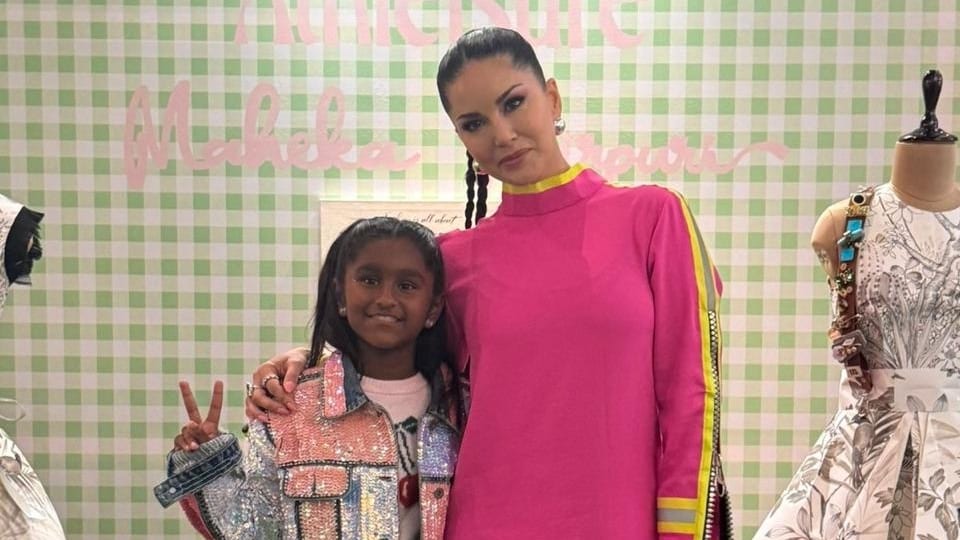
The actor recalls feeling an immediate connection with Nisha when she and Daniel received her photograph during the adoption process. “We instantly felt a connection with Nisha. We knew almost immediately that she was the child we wanted to bring home as part of our family. There was an instant bond, and we both felt that she was meant to be a part of our family,” she recalls. The couple were clear that they would never hide Nisha’s adoption from her. They also created a ‘Gotcha Day’ tradition to celebrate the day she joined their family.
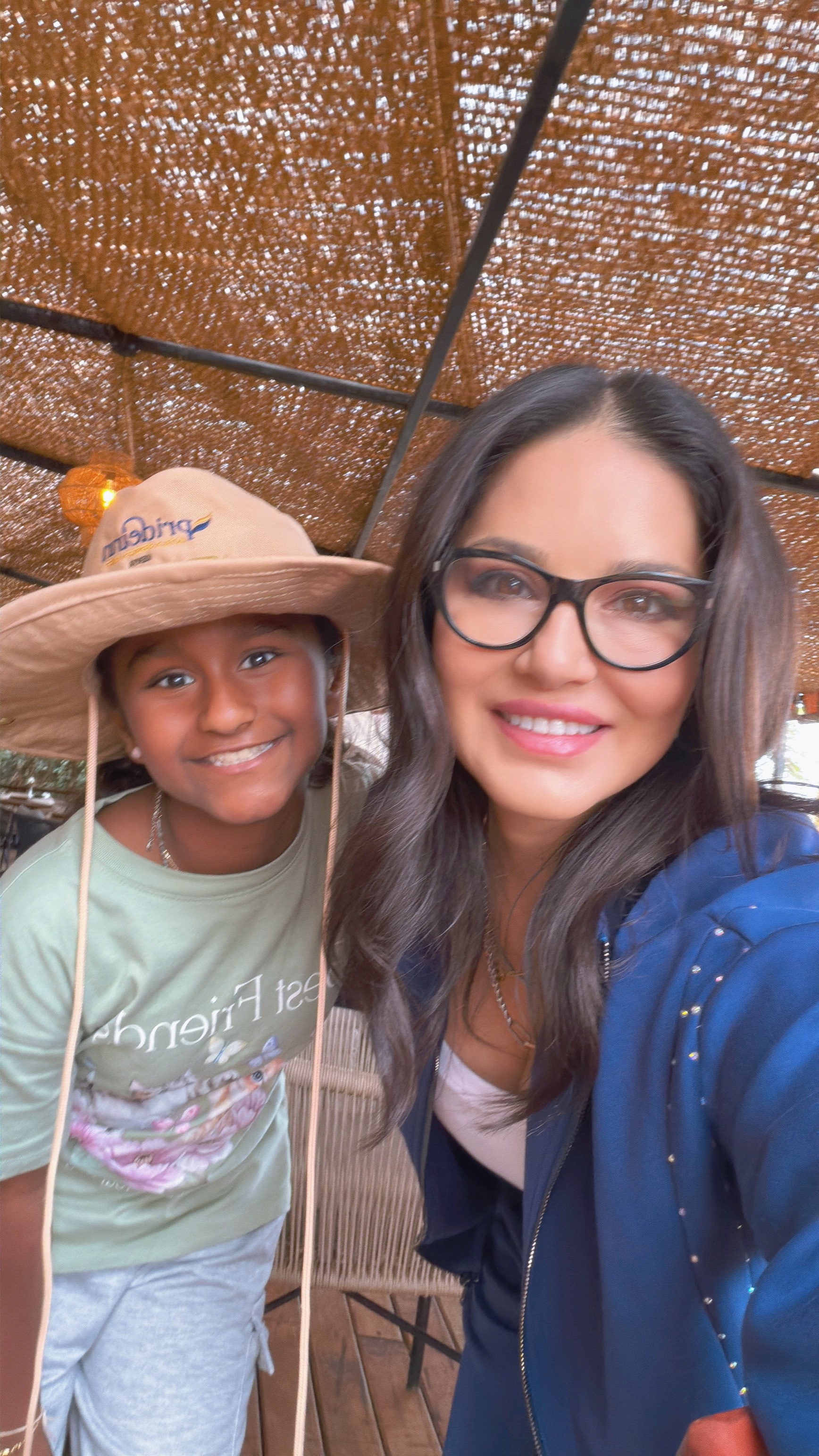
“We were always very clear that we would never hide the fact that Nisha was adopted. That’s where we came up with ‘Gotcha Day’. Ever since we got Nisha home, we have documented each day with her in an album,” says Sunny. “We don’t celebrate her birthday, we celebrate her Gotcha Day. We make it a point every day to show her how deeply she is loved and how much she means to us.” As Nisha has grown older, their conversations about adoption have become more complex. “Until recently, Nisha had asked only the usual questions. But last year, she began asking some really hard-hitting questions as she grew older and started understanding things differently. We want her to feel comfortable coming to us with anything she wants to ask,” says the 45-year-old.
Creating that sense of trust is important to Leone. “I have told Nisha that whatever the situation may be, whether it is something good or bad, big or small, she should always come to me. I want her to know that I will listen to her and be there for her. She should never feel that she cannot talk to me about something,” she says. The family also has practical measures in place to ensure the safety of their three children. Leone says she and Daniel have established safe words and gestures that the children can use if they need help or feel uncomfortable.
“We have safe words and gestures between the five of us. There are little signals that the children can use if something is wrong or they need to convey something to us without saying it openly,” she says. Adding that while the children have their own Instagram accounts, their online activity is restricted and monitored. “They are not allowed to post anything. They can search and look at things, but that is about it. There are clear boundaries they have to follow, and we make sure their online activity is monitored. We want them to have some independence, but we also want to ensure they are safe online,” she explains.
Asked how protective her sons, Noah and Asher, are of their sister, Leone says Nisha shares a close bond with both. However, she believes raising boys to stand up for girls must go hand in hand with teaching them to respect women and their choices. “We have made it clear at home that if anyone bothers her or treats her inappropriately, her brothers should stand up for her. Their first instinct is to protect their sister, and it is important to us that they grow up understanding that looking out for her also means respecting her and standing by her,” she says.
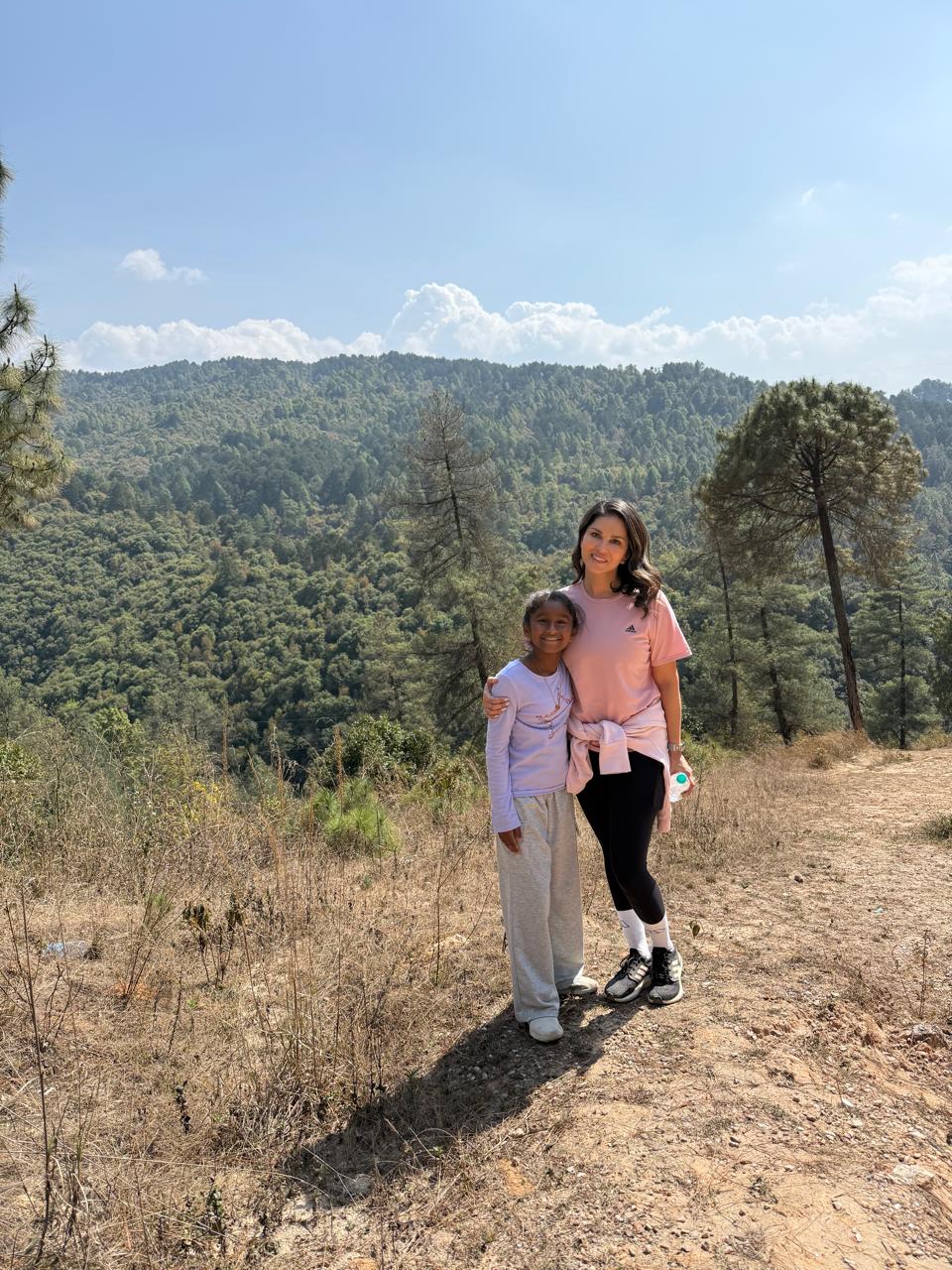
For Leone, the change begins at home, with parents teaching children to respect women and supporting girls in making their own choices. “I think it is extremely important that women should stand up for themselves and be who they want to be. It starts with what you learn at home and with education. How your parents teach you to treat women… if that starts, then we can start seeing the change in our youngsters,” she says. “Women have a voice of their own, they should be allowed to take charge and make decisions. Why differentiate between a girl child or a boy child? What’s the difference? From where I come, we don’t see any difference. As a society, we need to stop doing it. That’s a change I wish to see in the coming years,” she ends.


