
 E-Paper



Datura row explained: Why Karnataka cracked down on Amazon, Swiggy and BigBasket
Datura is at the centre of a food-safety controversy after Karnataka acted against three major e-commerce platforms over its alleged sale as food

 Prefer HTon Google


Datura or Dhatura, known as ‘thorn apple’ in English and ‘Umathai’ in Tamil, has landed in news after the Karnataka government reportedly suspended the food licences of e-commerce platforms Amazon, Swiggy Instamart and BigBasket in the state after toxic Datura fruits and seeds were found being sold online as food or for human consumption.
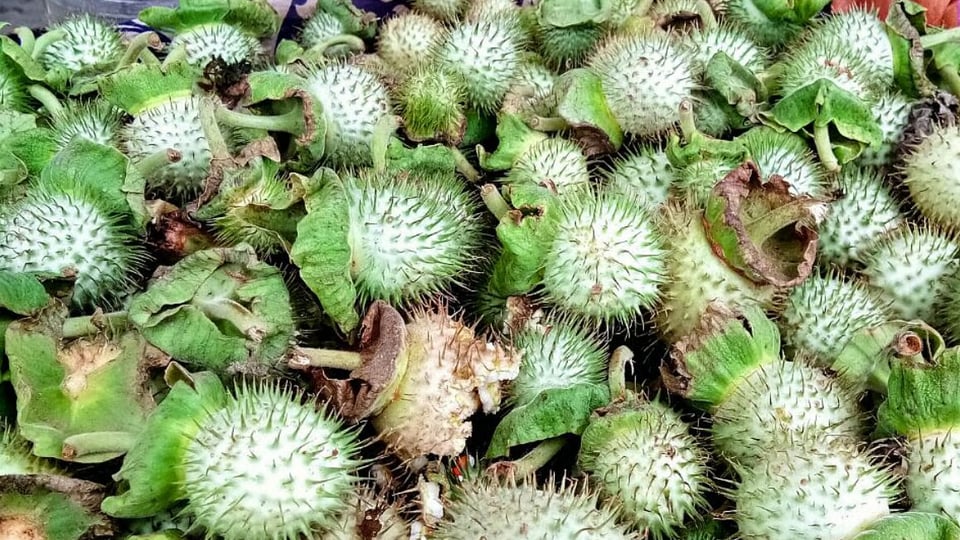
According to an order issued by the state's Food Safety Commissioner K. Srinivas, the platforms were asked to remove Datura (Dhatura) listings and stop its sale as food. The department said selling the poisonous plant as food was unlawful under the Food Safety and Standards Act, 2006. Action has also been ordered against suppliers and sellers, including suspension of their food licences and registrations and possible cancellation, subject to due legal process.
What is Datura and is it safe to consume?
Datura is a poisonous plant that contains naturally occurring toxic compounds, particularly tropane alkaloids, which can interfere with the normal functioning of the nervous system.
“Early symptoms of Datura poisoning can include dry mouth, blurred vision, dilated pupils, dizziness, rapid heartbeat, confusion and agitation. Severe poisoning can cause hallucinations, seizures, loss of consciousness and dangerously high body temperature,” says Dr Prateek Kadian, Consultant Medicine, Maccure Hospital.
“If Datura is consumed, treat it as a poisoning emergency. Do not induce vomiting or give home remedies, food or milk unless advised by a healthcare professional. Seek medical attention immediately, especially if the person develops confusion, seizures, breathing difficulty or loses consciousness. Children are particularly vulnerable. If possible, carry a sample of the plant or consumed product to help doctors identify it,” he says.
This unpredictability also makes clear labelling crucial, says Shalini Bliss, Head of Dietetics, PSRI Hospital. “One of the biggest concerns here is that people may assume something is safe simply because it is natural or traditionally used. But natural does not mean harmless. The concentration of toxic compounds can vary across different parts of the Datura plant, making consumption unpredictable. Cooking or preparing Datura should also not be considered a way to make it safe. Which is why it is important to label them as toxic while selling,” says Dt Shalini Bliss, Head of Dietetics, PSRI Hospital.
Netizens ask for more “common sense” from buyers
Datura is traditionally offered to Lord Shiva during Shravan and the upcoming Ganesh Chaturthi, which is why the debate around the ban has gone viral, with many asking consumers themselves to have some common sense. One said, “Are people so dumb to consume it! It’s a pooja item, tomorrow drink the deepam oil and claim it to be a toxic food item!!” One more claimed, “Who in the right mind will eat datura seeds?” But there were also many comments calling for accountability: “This is exactly where online marketplaces need stronger product-level screening. A product being listed online doesn’t automatically make it safe or appropriate for consumption,” said one netizen on X.
Explanation sought
According to reports, representatives of the three companies appeared before the adjudicating authority on Monday. Amazon did not submit a response, while Swiggy Instamart sought more time to provide documents on the action taken. BigBasket said it had stopped selling Datura and changed how the product would be sold, with labelling to clearly state that it was “not for human consumption”.
The department, however, found the responses unsatisfactory, citing Datura’s poisonous nature and the potential public health risk.


