
 E-Paper



Crew weigh in on DGCA’s strict advisory to airlines on handling unruly passengers
Non compliance with the advisory will be dealt with strictly and can even lead to enforcement action.

 Prefer HTon Google


In light of the recent urination instances on two separate Air India flights, aviation regulatory body Directorate General of Civil Aviation (DGCA) has issued an advisory to airlines to handle disruptive passengers. While slamming the airlines, DGCA condemned the unprofessional handling on the issue and the laxity in filing an FIR. Non compliance with the advisory will be dealt with strictly and can even lead to enforcement action. “In the recent past, DGCA has noticed a few incidents of unruly behaviour and inappropriate conduct by the passengers on board the aircraft during flight, wherein it is observed that post holders, pilots and cabin crew members have failed to take appropriate actions,” read the statement. The advisory further highlights several sections of the Civil Aviation Requirements (CAR) that mandate it upon the crew and airline staff to make clear the repercussions of unruly behaviour to the passengers. DGCA also underscores sensitisation plans for pilots, cabin crew and Director-in-flight Services to handle unruly behaviour. The guidelines equip the staff with the power to use restraining devices in case verbal communication and written notices fail to defuse the situation. It also makes it incumbent upon the airline representative to lodge an FIR upon landing at the aerodrome and hand over the passenger to the security agency.
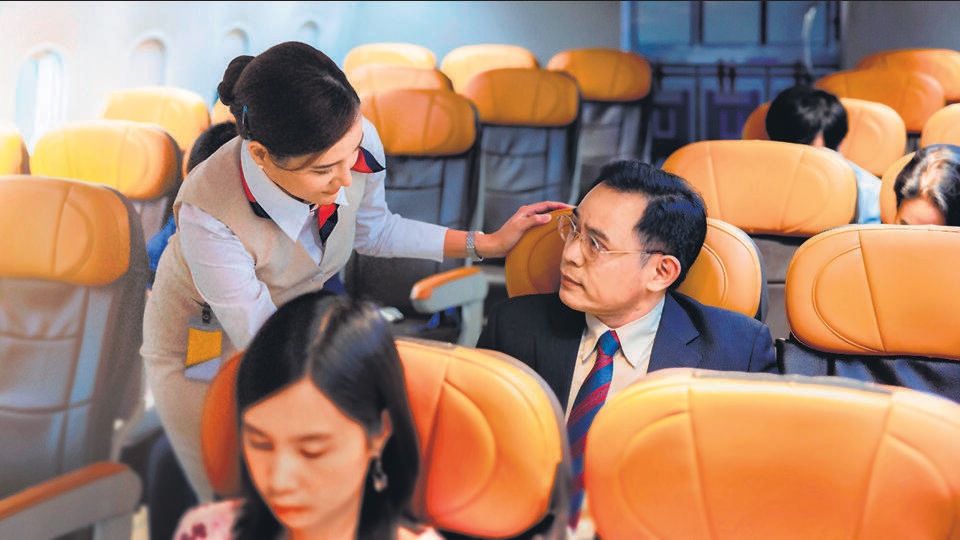
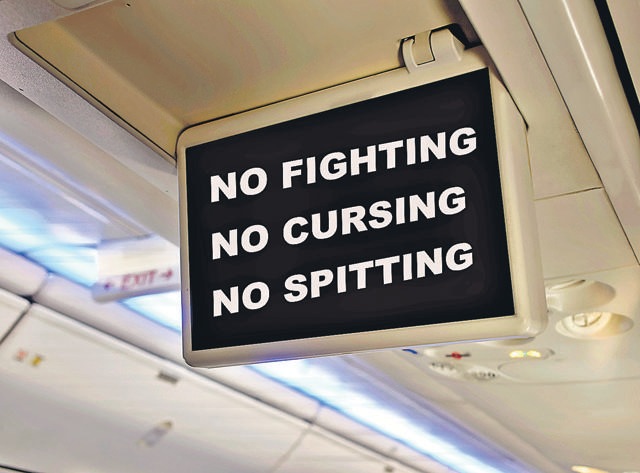
“This is the best thing that has happened for crew because we do three to four flights daily, handling over a thousand passengers. When it’s about service, we are always polite, but when it comes to safety, we are strict. We try to handle these situations as calmly as possible, but if it escalates, then there are norms and rules documented in all airlines. We can issue them a red warning card or a warning letter that implies if you continue with the behaviour, you might get banned from the airlines and the airport, and you can be penalised, too. Fellow passengers or crew members are then asked to fill out a witness form so that when a police enquiry happens then you have witnesses who can testify. Usually, the passengers are cooperative in this process. Ultimately, if situation goes out of control, then the captain is the PIC, pilot in command, and his word is the final one. They are the only ones in constant touch with ground control so they call the security personnel in advance,” says a former senior cabin crew member who now works as a trainer on condition of anonymity.
A pilot with a leading commercial airline who has seven years of experience, says, “Passengers feel that if they have bought the ticket, they have bought the plane. They feel that they can get away with anything. With these guidelines, they will be more aware.” Recalling an incident that happened on a flight he was commanding around two years back, he says, “A passenger started smoking in the lavatory and as soon as there’s smoke in the aircraft, a signal goes off in the cockpit. Smoke comes from fire and is an emergency situation for us wherein we have to land as soon as possible. But because the crew found out it was from a cigarette, the passenger was handed over to CISF upon landing.”
But in some instances, airlines or crew hesitate in filing a complaint. The reasons can be multi-fold. “The cabin crew is the eyes and ears of the pilot, so whatever information we get from our crew, we pass that on. If need be, we can be witnesses and help with the investigation. But filing a complaint is a long-drawn process and many people do not want to go through FIRs and the whole rigmarole of going to police stations. Sometimes the airlines shy away from taking action because it might bring them a bad name. We follow every protocol in the book, but these measures need to be reiterated to the passengers,” says a female pilot who has been flying for over four years and has also formerly served as a senior cabin crew member for five years.
Prini Kaur Chadha, 31, who has worked as a cabin crew member with leading national and international airlines for 11 years, cautions about the free-hand in using restraining devices. “These things happen so often but restraining a passenger is our last resort. We are equipped with seat belts and zip ties to tie hands and feet, and put a face mask on their mouths because they start spitting on us. But we also have to keep monitoring the passenger and give them water. We have a key to unlock them in case of an emergency. It’s a human being at the end of the day.” From experience, Chadha shares that where the cabin crew in the cases pertaining to Air India went wrong was maybe in regulating his drinks or stopping serving him. She elaborates the universal traffic light training system that the crew undergo (akin to bars and restaurants) to handle inebriated passengers. “The crew has to profile passengers who are drinking. When you see them getting slightly drunk or notice that their speech has slurred, that’s the yellow light. You start diluting their drinks with more water. Red light is when we have to completely stop and say no. You have to inform every crew member, too, because the passengers are very clever; they will go other parts of the plane and request other crew members,” she shares.
Civil aviation guidelines around the world:
1. The Federal Aviation Administration, USA has a zero tolerance policy against unruly behaviour that lays down legal enforcement action against any passenger who assaults, threatens, intimidates, or interferes with airline crew members.
2. The Civil Aeronautics Law of Japan deem any behaviour that jeopardises the safety of the aircraft illegal. Safety disruptive behavior refers to acts that create disorder in the cabin or violate aircraft cabin rules. If the passenger defies Captain’s orders, a fine may be imposed.
3. Australian Aviation Industry has a Code of Practice that can lead bad behaviour under issuing of infringement notice or criminal conviction.
4. European Union Aviation Safety Agency (EASA) has a #NotOnMyFlight campaign to curb bad behaviour.
Interact with Etti Bali at @TheBalinian
Follow @htcity for more.


