E-Paper



Gujarat local body elections on April 26, counting on April 28
Gujarat’s State Election Commissioner S Murali Krishna said the voting will take place via Electronic Voting Machines (EVMs) from 7 am to 6 pm

 Prefer HTon Google


Gujarat’s State Election Commission (SEC) on Wednesday announced the schedule for local body elections across the state, with polling for over 10,000 seats across municipal corporations, municipalities, and panchayats set for April 26.
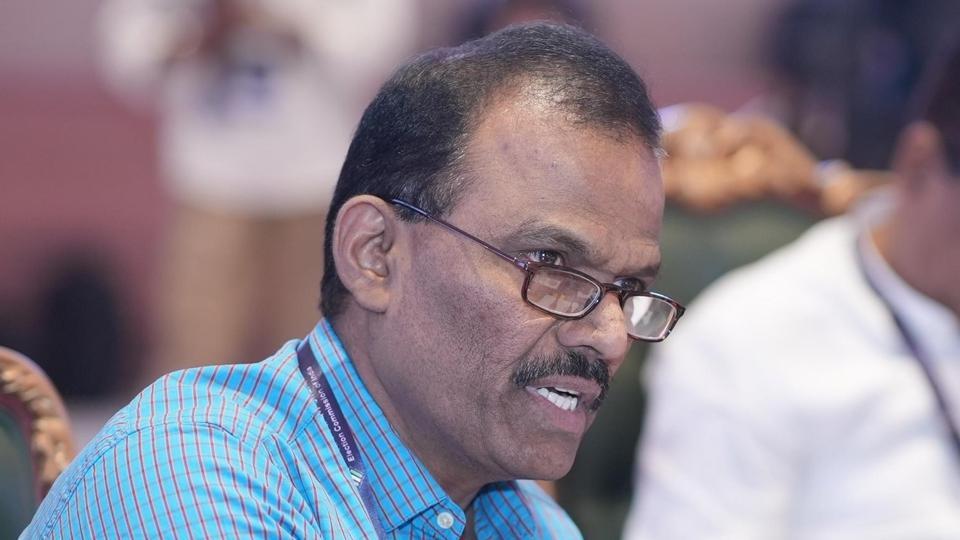
State election commissioner S Murali Krishna said the voting will take place via Electronic Voting Machines (EVMs) from 7 am to 6 pm. The Model Code of Conduct has come into force immediately across the state.
Krishna said about 41.8 million voters are eligible to vote for 15 municipal corporations — including major hubs such as Ahmedabad, Surat, Vadodara, Rajkot, Jamnagar and Bhavnagar, as well as newly formed corporations such as Nadiad, Surendranagar, Anand, Navsari, Vapi, Morbi, Gandhidham, Porbandar and Mehsana. The polls also cover 84 municipalities, 34 district panchayats, and 260 taluka panchayats across the state.
Filing of nominations begins on April 6 and ends on April 11. Scrutiny of nominations will take place on April 13. Candidates can withdraw nominations until April 15. Voting will be held on April 26, and repolling, if required, will occur on April 27.
A total of 9,992 seats will go to the polls, in addition to 13 by-election seats in municipalities, taking the overall figure to 10,005.
Krishna said the 27% reservation for Other Backward Classes (OBCs) would be implemented in the local body elections
He said the implementation of the new OBC reservation quota had significantly impacted the structure of the polls. The SEC will set up 49,591 polling stations across the state, with a cap of 1,200 voters per booth. Around 11,000 polling stations have been identified as sensitive and 3,300 as hyper-sensitive, said the election panel, he said.
In the 2021 local body elections, the ruling Bharatiya Janata Party (BJP) retained control of most municipal corporations. But the previous elections also marked the Aam Aadmi Party (AAP) ‘s entry into state politics. AAP even became the main opposition party in the Surat Municipal Corporation, replacing the Congress.
AAP national convenor Arvind Kejriwal and Punjab chief minister Bhagwant Mann were in the state to hold organisational meetings in Saurashtra and central Gujarat from March 24 to March 27.
Congress leader Rahul Gandhi also visited Gujarat on March 23, attending a tribal rights programme in Vadodara while reviewing party preparations for the local body polls.
Prime Minister Narendra Modi visited the state on March 31 and attended official programmes and public events. The BJP also formed a state-level election management committee and held organisational meetings and booth-level planning exercises ahead of the elections.