E-Paper



How AAIB conducts probe into air crashes
The main objective of an AAIB investigation is to identify the circumstances and causes of an accident and recommend measures to prevent similar occurrences.

 Prefer HTon Google


The Aircraft Accident Investigation Bureau (AAIB) will investigate the helicopter crash near Joshimath in Uttarakhand’s Chamoli district on Friday, October 30, in which all six people on board, including the pilot, were killed. The helicopter, operated by Trans Bharat Aviation, was flying from Badrinath to Dehradun when it crashed into a hillside.
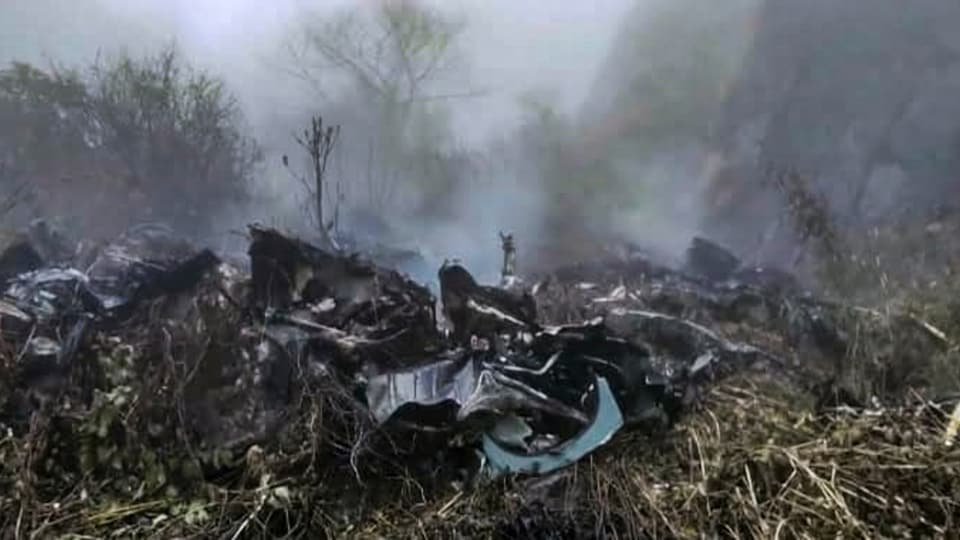
The investigation will be conducted under the Aircraft (Investigation of Accidents and Incidents) Rules, 2025, which lay down the framework for investigating aircraft accidents and serious incidents in India.
The primary objective of an AAIB investigation is to identify the circumstances and causes of an accident and recommend measures to prevent similar occurrences. The rules clarify that an investigation is not intended to assign blame or determine liability. It is also separate from judicial or disciplinary proceedings.
Deep Dive

Also Read | Char Dham trip ends in tragedy for five Bengaluru friends as helicopter crashes in Chamoli
Here’s how the AAIB conducts an investigation into an aircraft accident:
Reporting the accident
After the crash, the pilot-in-command must notify the AAIB and the Directorate General of Civil Aviation (DGCA) within 24 hours of an accident or incident. If the pilot is killed or incapacitated, the responsibility shifts to the aircraft operator.
For accidents in India, the District Magistrate and local police must also be informed. Airports and air traffic services authorities are required to notify the AAIB as well.
The AAIB subsequently informs the relevant international authorities, including the States of Registry, Operator, Design and Manufacture. It also notifies the International Civil Aviation Organisation (ICAO) when the aircraft weighs more than 2,250 kg or is a turbojet.
Who investigates an aircraft accident?
The AAIB investigates all aircraft accidents in India. However, responsibility for investigating incidents and serious incidents is divided between the AAIB and the DGCA.
The AAIB investigates serious incidents involving aircraft weighing more than 2,250 kg or turbojet-powered aeroplanes. The DGCA investigates other incidents and serious incidents, although the AAIB can take over any investigation. It is AAIB which decides the classification of an occurrence as an accident, serious incident or incident.
Also Read | Clouds, narrow valleys: What makes Uttarakhand’s pilgrim helicopter flights tricky, and the rules for them
Preliminary investigation
After an occurrence is reported, the Director General (DG) of the AAIB can authorise an individual to conduct a preliminary investigation. The purpose is to establish the nature of the occurrence, classify it and determine the technical expertise required for a detailed probe. This initial assessment helps investigators decide the scope of the investigation and identify the resources needed.
Securing the crash site and collecting evidence
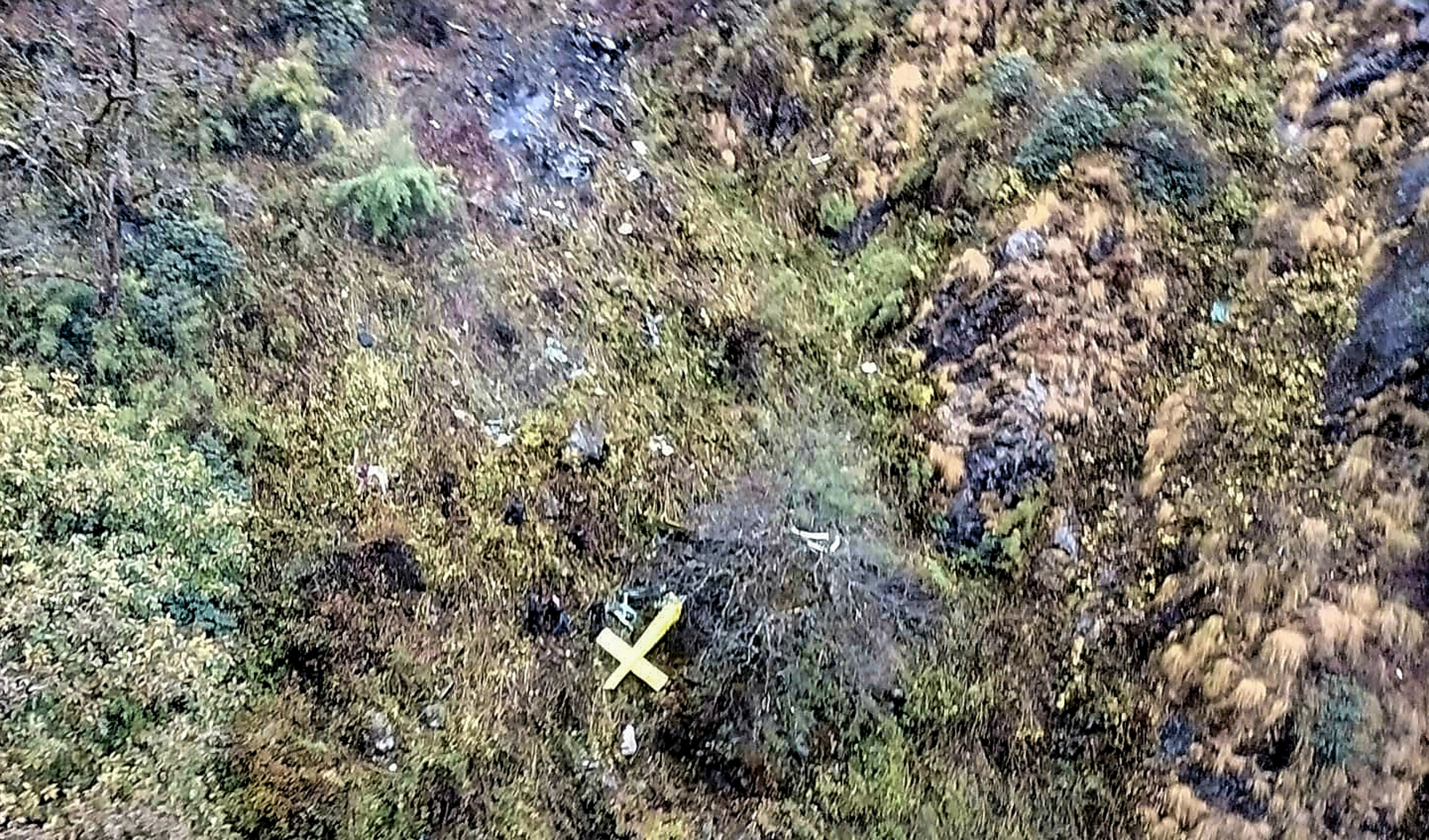
Preserving the crash site is crucial to an aircraft accident investigation. Under Rule 7, wreckage cannot be moved or disturbed except when necessary to save lives or prevent further damage. Once search-and-rescue operations are over, the AAIB becomes the custodian of the wreckage and flight recorders.
Investigators can examine aircraft components, collect evidence and analyse information from the flight data recorder (FDR) and cockpit voice recorder (CVR). These records can help establish the aircraft’s operating parameters and communications between the cockpit crew and air traffic control.
Powers of investigators
Rule 10 gives investigators extensive powers to establish the circumstances surrounding an accident. They can summon and examine witnesses, record statements, obtain signed declarations, seize relevant documents and flight recorders, and enter and inspect locations connected with the investigation.
Detailed investigation and appointment of Investigator-in-Charge
For a full investigation, the DG appoints an Investigator-in-Charge (IIC), who leads the probe. Investigators examine the wreckage, flight recorder information, maintenance records, operational procedures and other material relevant to the accident.
The rules also provide for international participation. The States of Registry, Operator, Design and Manufacture can appoint accredited representatives and advisers. A country whose citizens have died or suffered serious injuries can also appoint an expert.
Also Read | Badrinath helicopter crash: A look at 10 chopper mishaps in Uttarakhand over the years
Draft report
Once the investigation reaches the reporting stage, the draft final report is shared with the relevant States for their comments. These States get thirty days to submit observations, with the period extendable to sixty days.
The DG accepts the final report, which is intended to explain the circumstances of the accident and make safety recommendations to prevent similar occurrences.
Can an investigation be reopened?
Yes. Rule 15 allows an investigation to be reopened if significant new evidence emerges that could affect its findings.
Can any information from an investigation be made public?
Rule 17 restricts the disclosure of certain material collected during an investigation. This includes statements recorded by investigators, communications between flight crew members, private medical information, cockpit voice recordings, air traffic control recordings and opinions expressed during the analysis of flight recorder data.
Disclosing protected investigation records is a Level 5 offence under Schedule C, attracting fines of up to ₹1.5 lakh for an individual and ₹1 crore for a large organisation.
Can AAIB issue updates during an investigation?
Yes. Under Rule 21, the Director General can issue AAIB Bulletins to share information about ongoing investigations without waiting for the final report.