
 E-Paper



Indian Tomahawk missile has a textbook firing from Odisha
The LRLACM is a successor to failed Nirbhay experiment with longer range and top precision guidance.

 Prefer HTon Google


After failure of “Nirbhay” cruise missile experiment, the DRDO achieved text-book success on June 15 when it conducted the first successful test firing of the Indian version of US Tomahawk subsonic cruise missile from ITR, Chandipur in Odisha. The Long Range Land Attack cruise missile (LRLACM), which has not been named as yet, hit the target at a distance of 1000 km with all past issues resolved.
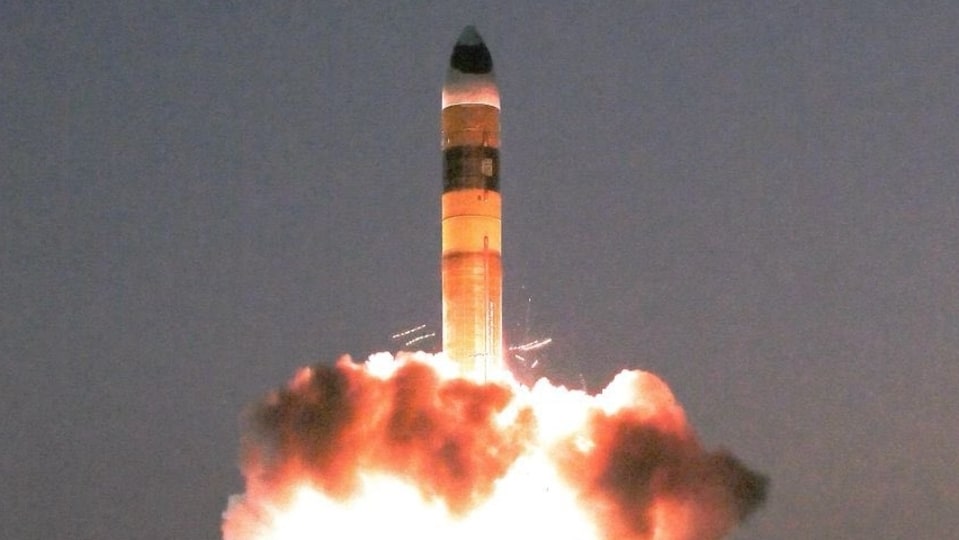
Authoritative officials said that the cruise missile, which can be launched from multiple platforms, is a successor to the failed Nirbhay but with more range and other guidance improvements. It is understood that the missile will undergo two more developmental trials, then two more user trials in the next two years before induction into Indian armed forces.
Also read | How India joined the elite club of nations with advanced ballistic missile defence capability
While the DRDO press release was economical with information, the cruise missile with speed upto 0.8 Mach is a much required weapon for hitting targets in excess of 1000 km at land skimming heights. The missile is a challenge to enemy radars as it cannot be detected due to low flying and has a 500 kg warhead which destroys the target.
While Pakistan has a 900 km range cruise missile named after Islamic conqueror Babur since 2010, China has a range of conventional and nuclear cruise missiles. The Pakistan weapon is reverse engineered from an unexploded Tomahawk missile recovered from a 1998 US strike against Al Qaeda terrorist camp in Khost in Afghanistan. Pakistan got full technical support from China to develop Babur and got the US Tomahawk technology in return.
Also read | India successfully demonstrates BMD capability to take down hostile ballistic missiles
With stand-off weapons becoming the order of battle these days, India needs to upgrade its conventional missilery with long range ballistic missiles and cruise missiles. These conventional ballistic missiles, cruise missiles and rockets will be part of Army’s rocket regiments to counter PLA’s missile capability in the worst case scenario.


