E-Paper



Lok Sabha elections 2019: Madhya Pradesh has the highest increase in turnout
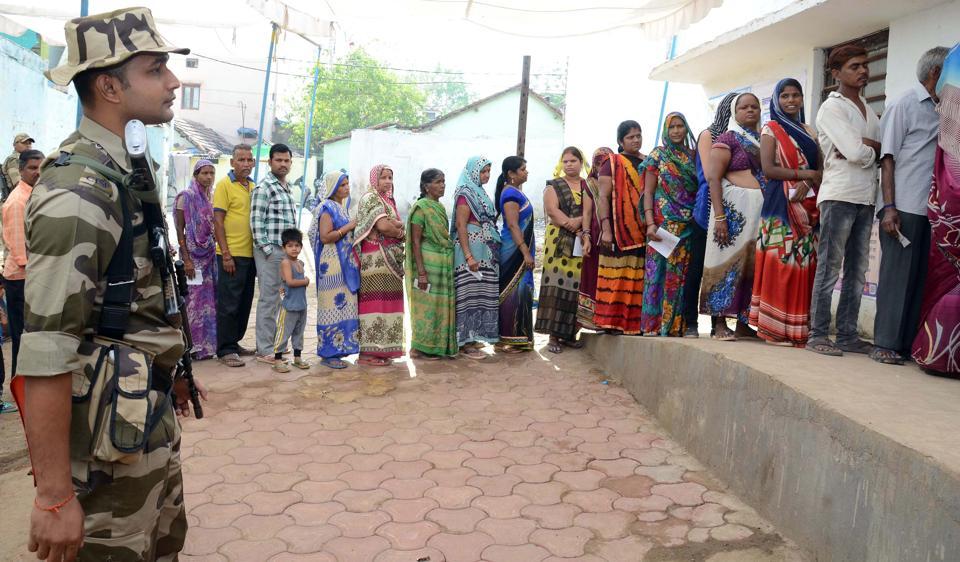
In the first phase of polling in MP on April 29 for six Lok Sabha seats, around 74.90% of the electorate cast their votes compared to 64.84% in 2014 in the same constituencies.

 Prefer HTon Google


Madhya Pradesh has recorded a more than 10 percentage point increase in voter turnout in the first two phases of polling that covered 13 of its 29 Lok Sabha seats, the highest for any state so far, according to Election Commission (EC) data.
The voting percentages in the first two phases was, however, marginally less than that recorded in the 2018 assembly elections for the same constituencies. The Congress won 114 seats compared to 109 for the Bharatiya Janata Party (BJP) in the 230member state assembly and formed government with the support of four other legislators, including two from the Bahujan Samaj Party (BSP).
The overall national increase in voting in the first five phases, as compared to 2014 was 1.09 percentage points, the commission said on Monday.
The other states where voting percentage was higher than the national average, were Rajasthan (3.01% points), Jharkhand (7.3 % points), Andhra Pradesh (8.78% points) and Kerala (3.65% points). The states where the voting percentage was less than the national average were Uttarakhand (minus 1.2% points), Tamil Nadu (minus 1.65% points) and Odisha (minus 1.07 % points).
In the first phase of polling in MP on April 29 for six Lok Sabha seats, around 74.90% of the electorate cast their votes compared to 64.84% in 2014 in the same constituencies. In the same region, the overall voting percentage in 2018 assembly elections was 75.10 %, the state election office data shows. In the second phase, around 69.1 % voters turned up as compared to 57.6 % in 2014.
In the same constituencies in 2018, the polling percentage was about 70%.
Madhya Pradesh’s chief electoral officer (CEO), VL Kantha Rao, said, “The percentage in Lok Sabha so far is not much different from the 2018 assembly election. It’s good that we were able to sustain the trend.”
“Social media played an important role in bringing middle and upper middle class people out on the voting day. The posts by people, election office and activists on different platforms of social media created so much noise,” said Rolly Shivhare, the Madhya Pradesh coordinator of the Association for Democratic Reforms, a think tank.
Spokespersons for the Congress and the BJP said the higher polling percentages augured well for democracy and showed the increasing awareness among voters in Madhya Pradesh.