
 E-Paper



Rakhi trouble? NCPCR issues directive to states/UTs against school punishment
This comes in response to reports of students facing harassment over cultural and religious practices such as wearing rakhi, tilak or mehndi during festivals.

 Prefer HTon Google


The apex child rights body National Commission for Protection of Child Rights (NCPCR) has issued a directive to the education departments of all states and union territories, urging them to prevent instances of corporal punishment and discrimination against children during the upcoming festival season.
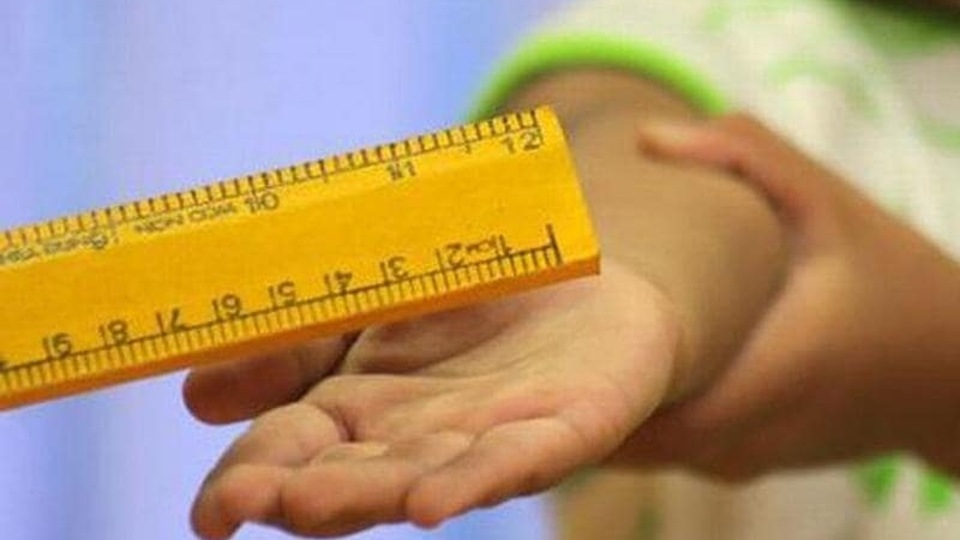
In a letter dated August 8, Priyank Kanoongo, chairperson of the NCPCR, expressed concern over the reports of children being harassed and discriminated against by school teachers and staff during festivals. The letter highlighted incidents where children were not allowed to wear traditional symbols of festivity, such as rakhis, tilaks, or mehendi, and were subjected to both physical and mental harassment as a result.
Kanoongo alleged that such actions violate Section 17 of the Right to Free and Compulsory Education (RTE) Act, 2009, which prohibits corporal punishment in schools.
"As the festival season approaches, it is imperative that schools do not engage in practices that expose children to any form of corporal punishment or discrimination," the letter read.
Priyanka didn't tie rakhi to Rahul Gandhi? Cong rubbishes BJP's claim, ‘Not all families…’
The NCPCR requested that all states and UTs issue immediate directions to the relevant authorities to ensure compliance with these guidelines.
The Commission also asked for a compliance report to be submitted, along with a copy of the order issued in this regard, by August 17, 2024.
Raksha Bandhan on August 19
The directive comes ahead of Raksha Bandhan, observed annually on the full moon day of the Shravan month as per the Hindu calendar, which will celebrated across the country on August 19.
Read: Rakhi 2024: Best gifts for brothers under ₹1500 that will make their day brighter
The NCPCR, a statutory body established under the Commission for Protection of Child Rights (CPCR) Act, 2005, is responsible for safeguarding the rights of children across the country, including ensuring the effective implementation of laws like the Protection of Children from Sexual Offences (POCSO) Act, 2012, and the Juvenile Justice (Care and Protection of Children) Act, 2015.


