
 E-Paper



RGI issues rules for securing Census data ahead of Phase-2
The RGI is securing Census 2027 records from 19 states and 5 UTs, emphasizing confidentiality and using digital tools for the first time.

 Prefer HTon Google


The Registrar General of India (RGI) has started securing and preserving physical and digital records collected by millions of enumerators over the past two months, during the first phase of the Census 2027 exercise — the house-listing operations (HLO) — in 19 states and five Union territories, people familiar with the development said on Saturday.
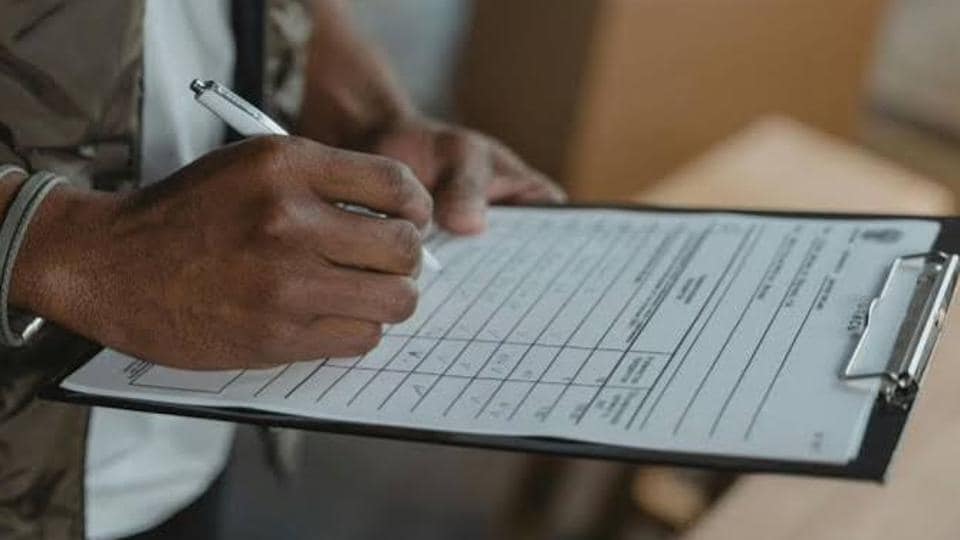
Officials said detailed instructions were recently issued to Census officials, with information on the safe custody and preservation of working schedules, block maps, layout sketches, partially and fully filled forms, and other related documents.
The Directorate of Census Officers (DCOs) across the country also conveyed to all officials that the collected data is “confidential”, as outlined in Section 15 of the Census Act.
Also Read | NIA names absconding doctor as key conspirator in Red Fort car bomb blast case
Officials said the instructions included specific directions. “Charge officers have been told to collect the partially filled schedules, completed schedules, working sheets, and two copies of layout sketches of each HLB (houselisting block) from every enumerator,” said an official, citing one instance of the instructions.
“They have been told to upload the maps on the Census Management and Monitoring System portal. One copy must be sent to DCOs, while another has to be retained by the charge officers for the second phase of Census 2027,” said a senior official.
Officials were also instructed to ensure the boxes containing documents are properly labelled and that the correct boxes were collected by the department of posts.
Also Read | Red fort blast: NIA chargesheets 3 more persons, including absconding doctor
The instructions added that all enumerators, supervisors and other officers would receive their honorarium after all DCOs receive all census material.
The Census is being conducted in two phases — HLO and population enumeration (PE). HLO records housing conditions, assets and amenities of each household, and is being conducted from April to September 2026, whereas the PE exercise will commence from February 2027 and cover demographic, socio-economic and cultural details, including caste data.
So far, 19 states — Andhra Pradesh, Arunachal Pradesh, Bihar, Chhattisgarh, Goa, Haryana, Jharkhand, Karnataka, Madhya Pradesh, Maharashtra, Meghalaya, Mizoram, Odisha, Punjab, Rajasthan, Sikkim, Telangana, Uttar Pradesh and Uttarakhand — and 5 UTs — Andaman and Nicobar Islands,Chandigarh, Delhi, Dadra and Nagar Haveli and Daman and Diu and Lakshadweep — have completed the first phase.
The Census is being conducted using digital tools for the first time. A dedicated mobile application for the data collection process has been developed for use alongside the traditional door-to-door enumeration process.
Originally scheduled for 2021, the Census was postponed due to the Covid-19 pandemic. The decision to include caste enumeration was taken by the Cabinet Committee on Political Affairs chaired by Prime Minister Narendra Modi, on April 30 last year.
Officials said that while they expected to finish collecting data by March 1, 2027, the results would take two to three years to publish and collate.


