E-Paper



Transit hub and stable route to reach India: Jaishankar on Iran’s Chabahar port
Chabahar port facilitated the delivery of humanitarian assistance, especially during the Covid-19 pandemic, and India used it to ship 75,000 tons of wheat as food assistance to Afghanistan in 2020.

 Prefer HTon Google


Iran’s Chabahar port has emerged as a commercial transit hub for the region and is a “more economical and stable route” for landlocked countries to reach India and the global market, external affairs minister S Jaishankar said on Friday.
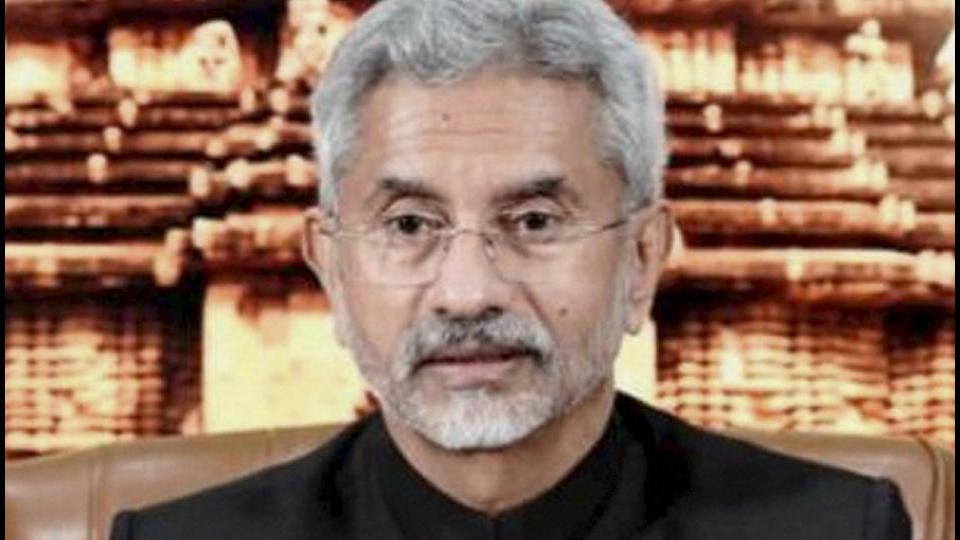
Jaishankar’s remarks in a written reply to a question in the Lok Sabha indicated India’s continuing commitment to the port on the Gulf of Oman despite speculation about its viability following the takeover of Afghanistan by the Taliban in mid-August.
“The Chabahar port has provided much needed sea-access to landlocked Afghanistan. The port has also emerged as a commercial transit hub for the region. It is a more economical and stable route for landlocked countries of the region to reach India and the global market,” he said in the reply.
Chabahar port facilitated the delivery of humanitarian assistance, especially during the Covid-19 pandemic, and India used it to ship 75,000 tons of wheat as food assistance to Afghanistan in 2020. A total of 110,000 tons of wheat and 2,000 tons of pulses have been trans-shipped from India to Afghanistan so far.
During the Indian Prime Minister’s visit to Iran in May 2016, a trilateral agreement to establish the International Transport and Transit Corridor (Chabahar Agreement) was signed by India, Iran and Afghanistan. India is participating in developing the first phase of Shahid Behesti terminal at the port in cooperation with the Iranian government.
Jaishankar said in response to a question from MP Ritesh Pandey of the Bahujan Samaj Party that India has committed a total grant assistance of $85 million and a credit facility of $150 million for developing the Shahid Behesti terminal.
“As part of our commitment towards infrastructure development of Shahid Behesti terminal, Chabahar port, India has supplied [six] mobile habour cranes (two 140 tons and four 100 tons capacity) and other equipment worth $25 million,” Jaishankar said.
The Indian company, India Ports Global Limited, through its wholly owned subsidiary, India Ports Global Chabahar Free Zone, took over operations at Chabahar port from December 24, 2018. Since then, it has handled 160 vessels, 14,420 TEUs (twenty-foot equivalent units) of cargo and 3.2 million tons of bulk and general cargo.
The Shahid Behesti terminal has handled shipments and trans-shipments from countries such as Russia, Brazil, Thailand, Germany, Ukraine, Oman, Romania, Bangladesh, Australia, Kuwait, Uzbekistan and the United Arab Emirates.