
 E-Paper



WhatsApp alerts to flag wildlife movement, poaching as Chhattisgarh tests AI cameras in Udanti-Sitanadi reserve
An artificial intelligence (AI)-based surveillance system being tested in Chhattisgarh’s Udanti-Sitanadi Tiger Reserve

 Prefer HTon Google


An artificial intelligence (AI)-based surveillance system is being tested in Chhattisgarh’s Udanti-Sitanadi Tiger Reserve, with cameras perched on 70-80-foot-high towers being used to track elephants, tigers and other wildlife, while keeping a watch for poachers, timber smugglers and encroachers.
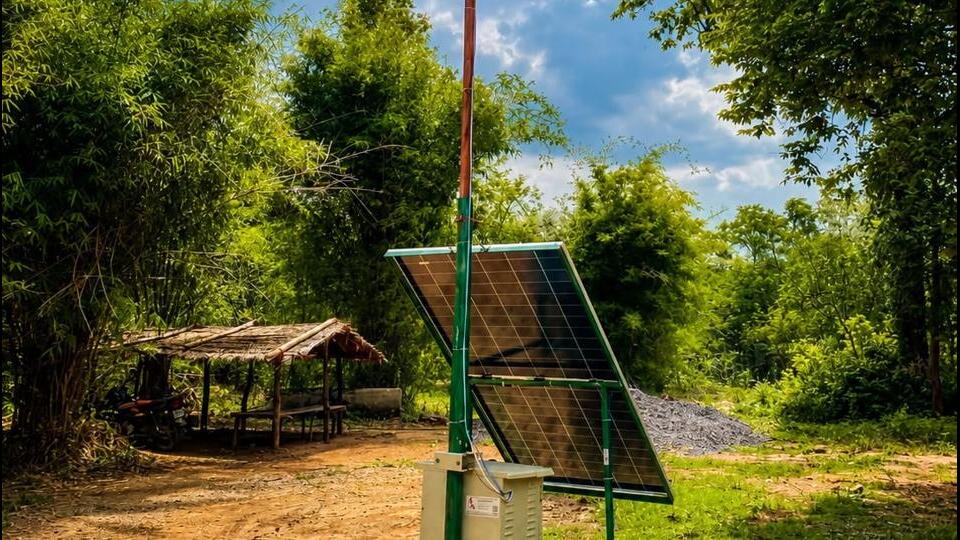
The system will send instant WhatsApp alerts to forest officials whenever an animal or suspicious human activity is detected, officials said.
“The pilot project is being implemented in five forest ranges along the Odisha border — Kulhadighat, Indagaon, Risgaon, South Udanti and Payalikhand North Udanti. These areas have dense forests and rugged terrain and serve as important wildlife corridors. They are also vulnerable to narcotics trafficking, illegal wildlife trade, timber smuggling and encroachment,” director of the Udanti-Sitanadi Tiger Reserve Varun Jain said.
“Since conventional mobile networks are not available in several remote forest locations, a dedicated point-to-point (P2P) wireless network will be established to provide connectivity. It will extend the 4G/5G network available in Mainpur to anti-poaching camps and forest outposts located 15-20 km away, enabling real-time video streaming and round-the-clock monitoring,” Jain added.
The initiative comes amid increased conservation activity in forest areas that were previously difficult to access because of Maoist presence. Joint operations by the Central Reserve Police Force (CRPF) and other security agencies have improved access to these areas, highlighting the need to strengthen surveillance against poaching, timber smuggling and encroachment, officials said.
Monitoring wildlife, poaching with AI-based system
The AI-based surveillance units will be portable and can be shifted to other locations depending on operational requirements. Each surveillance tower, including the AI camera, wireless connectivity system, tower structure and associated civil works, is estimated to cost between ₹2.5 lakh and ₹3 lakh.
This system is expected to help overcome the shortage of frontline forest personnel by strengthening surveillance and reducing gaps between patrols in sensitive locations.
The system will also help prevent human-wildlife conflict. Whenever a tiger or any other wild animal moves out of the forest and towards nearby settlements, alerts will be sent instantly to the mobile phones of the concerned forest officers and field staff, enabling a quick response. The surveillance network is also expected to strengthen efforts against wildlife crimes.
The reserve is already using thermal drones for anti-poaching operations, wildlife and habitat monitoring, forest fire management and detection of encroachments.
Satellite imagery and geospatial analysis using Google Earth Engine are also being used to track changes in forest cover and assess habitat restoration work.
The Udanti-Sitanadi Tiger Reserve has reclaimed 956 hectares of forest land from encroachment and arrested more than 500 people allegedly involved in smuggling and poaching over the past four years, according to the department.
The reserve has also documented several wildlife species, including the Malabar pied hornbill, Indian giant squirrel, Indian flying squirrel, Indian paradise flycatcher, peregrine falcon, otters and tricarinate hill turtle, besides tigers and elephants.


